5 Wedding Fees That Hide Behind a Second Name on Your Invoice
Admin fee, setup fee, associate artist: these wedding fees are old charges renamed. Learn the aliases so you can catch every hidden fee before you sign.
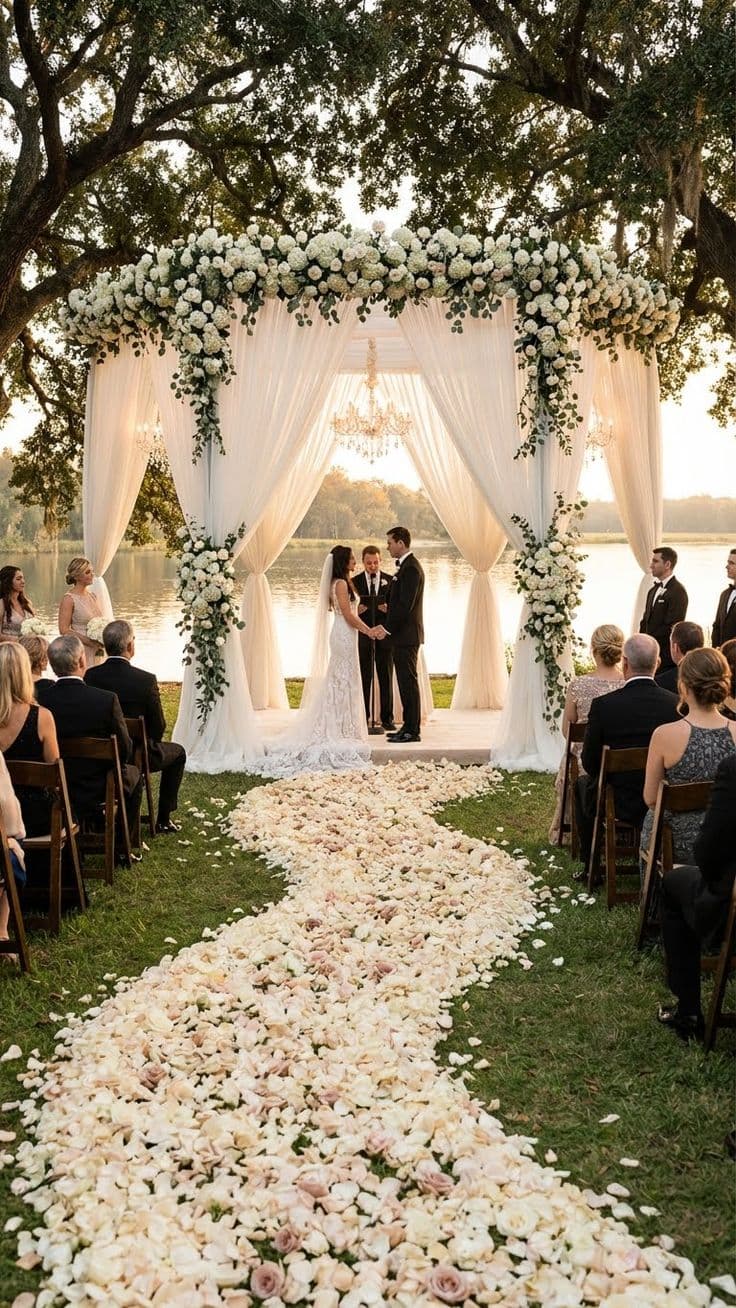
You get the quote. It looks clean, it fits the budget, you sign. Six weeks later the final invoice lands and the number is bigger, but nothing on the page says "extra." There's an admin fee. A setup fee. Something called an associate artist. A portioning fee. An event fee. None of them sound alarming, and that's exactly the point.
Here's the thing most couples learn too late: the quote your vendor sends and the invoice you actually pay are two different documents. A renamed fee is still a fee. And when five of them are sitting in plain sight, each one dressed up to read like a standard line item, the total adds up fast.
Knowing the aliases is half the work. Below are the five most common charges that show up under a second, nearly-identical name, plus what they really are and roughly what they cost.
why vendors rename the same fee
This isn't always some grand deception. Sometimes a caterer genuinely calls their service charge an "admin fee" because that's what their software prints. Sometimes a venue lists "event fee" because their contract template was written by a lawyer, not a bride.
But the effect is the same either way. A line item that reads as routine gets less scrutiny than one labeled "extra" or "additional charge." Your eye skips over "setup fee" the way it skips over "sales tax." You assume it's baked in, standard, non-negotiable. Often it's none of those things.
The fix is simple in theory: match every line on the invoice back to what it actually is. Once you can name it, you can question it, negotiate it, or at least budget for it instead of getting surprised by it.
the 5 fees and their aliases
Here they are in order, same as the slideshow. Save this list for the day you sit down with contracts.
- Admin fee = service charge, still 18-25%
- Setup fee = delivery fee repackaged, sometimes billed twice
- Associate artist = second shooter, often $400-900
- Portioning fee = cake-cutting, $2-5 per slice
- Event fee = venue overtime, just reworded
Now the detail on each, because the number in the list only matters once you know how it shows up.
01. admin fee (a service charge in a nicer sweater)
The service charge is the single largest "hidden" line on most catering and venue invoices, and it's the one most often renamed. Call it an admin fee, an administrative charge, or a facility fee, and it reads like paperwork. It isn't. It's still 18-25% of your food and beverage total, and on a real bill that's serious money.
Run the math on a $12,000 catering total. At 20%, the admin fee alone is $2,400. That's not a tip (a common and expensive assumption), and in many states it's also taxable, which means you can pay sales tax on top of the fee. Ask two questions every time you see it: is this the same as a service charge, and does gratuity get added on top of it? If the answer to the second is yes, you're looking at a much larger number than the food price suggested.
02. setup fee (delivery, sometimes charged twice)
Setup fee is delivery repackaged. The trouble starts when a single vendor bills for both. You'll see a delivery fee at the top of the invoice and a setup fee further down, and they cover overlapping work: getting the goods to the venue and putting them in place.
This shows up constantly with rentals, florals, and decor. The truck that dropped off the chairs and the crew that arranged them get itemized as two separate charges even though it was one crew, one trip. When you spot both on the same invoice, ask what each specifically covers. Sometimes the answer is legitimate (delivery is the drop, setup is a two-hour install). Sometimes it's the same labor billed twice under two names, and that's a line you can push back on.
03. associate artist (your second shooter)
Photographers and hair-and-makeup artists both use this one. "Associate artist," "associate photographer," "second artist," "assistant" — it's the second shooter or second stylist, priced separately, often $400-900.
There's nothing wrong with a second shooter. For a lot of weddings, a second photographer is worth it because someone's covering the groom's prep while the lead covers the bride, and you get the aisle from two angles. The issue is when the associate is listed as if they're part of the base package and you assumed the headline price included two people. Confirm exactly how many people are working your wedding, whether the associate rate is per person or per day, and whether their hours match the lead's. A $700 associate line changes the comparison when you're weighing two photographers against each other.
04. portioning fee (cake-cutting, per slice)
This one feels almost too small to notice, which is why it works. Portioning fee is the cake-cutting fee wearing a chef's hat. It runs $2-5 per slice, and per slice is the phrase that matters.
Do the arithmetic for 150 guests. At $3 a slice, that's $450 just to cut and plate a cake you already paid for. At $5, it's $750. Some venues and caterers charge this even when the cake comes from an outside bakery, and some charge it on top of a dessert service fee. If you're bringing your own cake, ask about the portioning or plating fee before you fall in love with a baker, because that per-slice number can quietly rival the cost of the cake itself.
05. event fee (venue overtime, reworded)
"Event fee" is the vaguest of the five, and that's the design. Most often it's venue overtime, the charge that kicks in when your reception runs past the contracted end time. Reworded to "event fee," it reads like a standard cost of holding an event rather than a penalty for the party running long.
Overtime is expensive and it compounds, because it's not just the venue. When the reception runs an extra hour, the caterer's staff, the DJ or band, the photographer, and sometimes the security or valet all charge for that hour too. Read the contract for the exact end time, the per-hour overtime rate, and whether the "event fee" is a flat charge or one that scales. This is the fee most likely to appear only on the final invoice, after the wedding, when you have zero leverage to negotiate it.
red flags to watch for on any quote
You don't need to memorize every alias in the industry. You need a short list of patterns that mean "read this line twice."
- Two line items that could describe the same work. Delivery and setup. Service charge and admin fee. Cleaning fee and breakdown fee. When two charges overlap, ask what each one specifically covers.
- A fee stated as a percentage with no dollar figure attached. "20% administrative fee" hides its real size until you multiply it out. Always convert it to dollars before you sign.
- "Per slice," "per person," or "per hour" pricing buried in a package. Small unit, big multiplier. These scale with your guest count and timeline in ways the headline number never shows.
- Fees that appear on the final invoice but not the original quote. This is the biggest one. If a charge shows up at the end that wasn't in the estimate, you're owed an explanation, and often a correction.
- Vague catch-all names. "Event fee," "facility fee," "service and handling." The vaguer the label, the more it deserves a direct question.
If a vendor can't tell you plainly what a line item covers, that's your answer. Clear vendors explain their fees without getting defensive.
how to catch these before you sign
You don't have to be a contracts expert. You have to be a little skeptical and a little organized.
- Put the quote and the invoice side by side. Every charge on the invoice should trace to something on the quote. Anything new gets flagged.
- Translate each fee to its real name. Admin fee is a service charge. Setup is delivery. Associate is a second shooter. Portioning is cake-cutting. Event fee is usually overtime.
- Convert every percentage and per-unit fee to a real dollar total. 20% of $12,000 is $2,400. $3 per slice times 150 guests is $450. See the actual numbers.
- Ask the two-part question on any overlap: what does this cover, and is it also covered by another line?
- Get the answers in writing. A verbal "oh, that's included" means nothing on the final invoice.
If you'd rather not do the line-by-line yourself, that's the whole reason we built the quote scanner at altared.app. Drop a quote in and it maps each line item back to what it actually is, and flags every one of these renamed fees in your own numbers. It's free, and it takes the guesswork out of the part of planning that costs the most.
For more on the charges that don't announce themselves, our hidden costs guide breaks down where wedding budgets actually leak.
the short version
Save this for the day you sit down with contracts, and send it to the friend who just got engaged.
- Admin fee is a service charge, still 18-25%. Ask if gratuity is added on top.
- Setup fee is delivery repackaged. Watch for it billed twice on one invoice.
- Associate artist is a second shooter, often $400-900. Confirm the headcount.
- Portioning fee is cake-cutting at $2-5 per slice. Multiply by your guest count.
- Event fee is usually venue overtime. Check the end time and the per-hour rate.
A renamed fee is still a fee. Know the aliases, translate every line, and you'll never sign a total you didn't actually understand.
Frequently asked questions
- Is an admin fee the same as a tip?
- No, and assuming it is can cost you hundreds of dollars. An admin fee is usually a renamed service charge, still 18-25% of your food and beverage total, and it typically goes to the vendor's business rather than directly to the staff as gratuity. In many places it's also taxable, so you can pay sales tax on top of it. Always ask two things: is this the same as a service charge, and is gratuity added separately on top? If gratuity is separate, budget for both, because the headline food price does not reflect what you'll actually owe.
- Can I negotiate a cake-cutting or portioning fee?
- Sometimes, especially if you're bringing a cake from an outside bakery. The portioning fee runs $2-5 per slice, so for 150 guests that's $450 to $750 just to cut and plate a cake you already paid for. Ask whether the fee can be waived, folded into another service, or reduced if you skip formal plating. Some venues won't budge because it covers labor and cleanup, but you won't know until you ask. The key is asking before you sign, when you still have leverage, not after the invoice arrives.
- Why do delivery and setup fees show up separately?
- Sometimes legitimately: delivery is the drop-off trip, and setup is a separate crew installing or arranging items on site. But often it's the same labor billed twice under two names. When you see both on one invoice from a single vendor, ask what each specifically covers. If the answer describes overlapping work done by the same crew on the same trip, that's a line you can reasonably push back on. If they genuinely reflect two different tasks and two sets of hours, the double charge may be fair.
- What is an event fee actually charging me for?
- Event fee is one of the vaguest labels on a wedding invoice, and most often it means venue overtime, the charge that kicks in when your reception runs past the contracted end time. It's reworded to sound routine. Overtime also compounds, because when the party runs long, your caterer, DJ or band, and photographer often charge for the extra hour too. Read your contract for the exact end time and the per-hour rate, and ask whether the event fee is flat or scaling. It's the fee most likely to appear only on the final invoice.
- How can I check my own quote for these renamed fees?
- Start by putting the quote and the final invoice side by side so any new charge stands out. Translate each fee to its real name, then convert every percentage and per-unit charge into an actual dollar total. If you'd rather not do it manually, the free quote scanner at altared.app lets you drop in a quote and maps each line item back to what it actually is, flagging renamed fees like admin, setup, associate artist, portioning, and event fees in your own numbers.