5 Wedding Deposits You'll Never See Again (Spot Them First)
Five wedding deposits are almost always non-refundable. Here's how to read the deposit terms in every vendor quote before you sign a single contract.
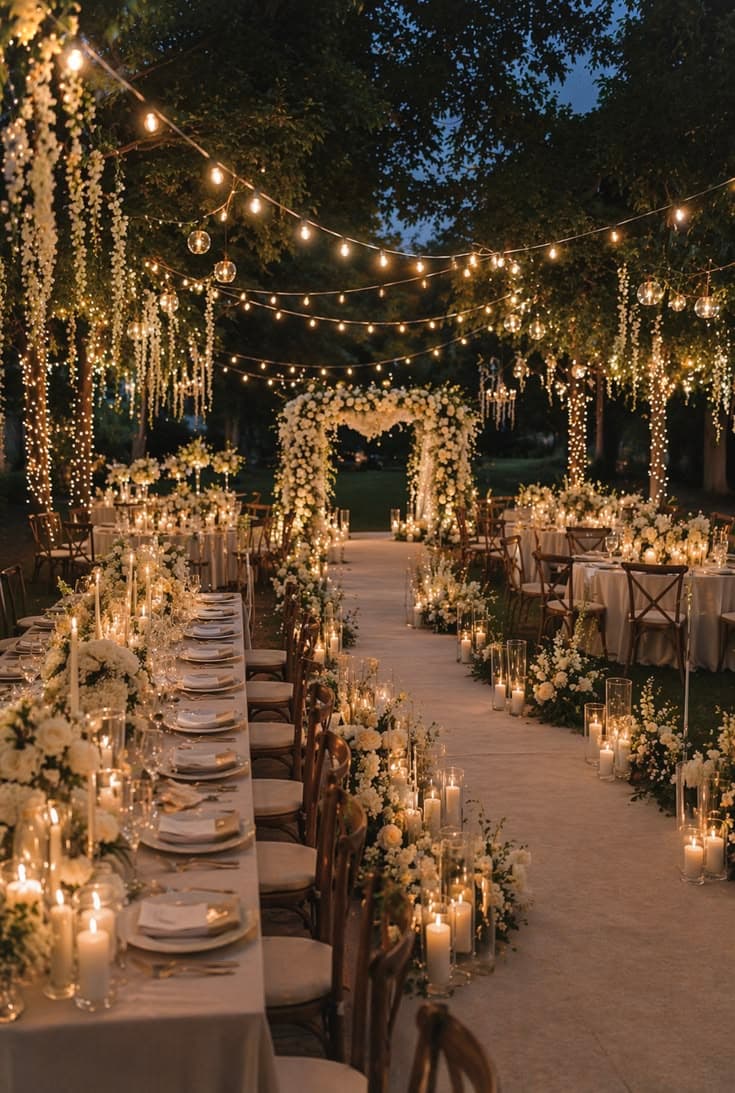
A couple I know booked their venue on a Tuesday, thrilled, and wired a 40% hold the same afternoon. Nine weeks later their guest list ballooned, the space no longer fit, and they wanted to move to a bigger room down the hall at the same venue. The answer: the original hold was non-refundable, and it did not transfer to the second room. They were out several thousand dollars before they'd chosen a single napkin color.
That is the thing about wedding deposits. The hardest part isn't the amount. It's that most contracts mark them non-refundable before you've read past the first page. By the time you notice the clause, the pen has already touched paper.
This isn't a story about villain vendors. Holding a date costs them real money. When a photographer blocks your Saturday, they turn away every other couple who wanted it. When a venue holds a room, that's revenue they can't recover if you walk. Non-refundable deposits exist for a reason. But that reason doesn't help you if you sign five of them without reading the refund and transfer language on any of them.
Here are the five deposits that are almost always gone the moment you sign, and exactly what to look for before you commit.
01. The venue hold
Venue holds run 25 to 50% of the total, non-refundable on day one. This is usually the biggest single deposit you'll pay, and it's the one couples treat most casually because the excitement of "we have a date" drowns out everything else.
On a $30,000 venue, a 40% hold is $12,000 committed before you've tasted the food or seen the room set for an event. That money is not sitting in escrow waiting to be returned. In most contracts, it's earned by the venue the instant you sign.
what to read before you sign
- The cancellation window: is there any point at which you get any portion back? Some venues refund a sliding percentage if you cancel far enough out. Many refund nothing, ever.
- The transfer clause: if you reschedule to a different date, does the deposit carry over, or do you forfeit it and start fresh? This is the exact trap the couple above fell into.
- Date-change fees: even when a deposit transfers, some venues charge a rebooking fee on top.
If the contract is silent on transfers, assume the answer is no and ask in writing before you pay.
02. The photographer retainer
Photographer retainers run $500 to 1,500 to hold the date, gone if you cancel. Photographers are usually solo operators or small teams, so a booked Saturday is a real opportunity cost for them. The retainer secures that they'll turn other couples away for your date.
Because it's smaller than the venue number, this one slips by. But "smaller" is relative. If you book two shooters, an engagement session, and an album package, the retainer can sit at the top of that $1,500 range, and it almost never comes back if your plans change.
the language that matters
Look for whether the retainer is described as a "deposit" or a "retainer." Words matter here. A retainer is typically framed as payment for reserving time, which courts and contracts treat as earned immediately. Then check:
- Is there a grace period after signing (even 48 hours) to change your mind?
- Does the retainer apply toward your total, or is it on top of the package price?
- If the photographer has to cancel on you (illness, double-booking), what do you get back?
That last point is one couples forget to ask. The cancellation clause often protects only the vendor. Read what happens when the failure is on their side.
03. The catering lock-in
Catering lock-ins are often 20 to 30% upfront, rarely returned on any terms. Food is perishable and staffing is scheduled weeks out, so caterers commit resources early. That's fair. What's not always clear is how little of that deposit is recoverable if your headcount drops or your date moves.
Say your catering estimate is $18,000 and you pay a 25% lock-in. That's $4,500 committed against a number that hasn't been finalized yet, because you don't have a real guest count this early. If your count comes in 30 guests lighter than the estimate, you've overpaid the deposit against a bill that shrank, and you rarely get the difference credited cleanly.
watch for the minimum
The red flag in catering contracts is the guest minimum buried under the deposit terms. Caterers frequently require you to pay for a floor number of plates whether they show up or not. If your minimum is 120 and you seat 95, you're paying for 120. Combine that with a non-refundable lock-in and the "quote" you fell in love with can quietly climb. Flag the minimum, the deposit percentage, and the final-count deadline together, because they interact.
04. The band or DJ deposit
Band deposits are $1,000+ standard, and the contract rarely has a grace period. Live music especially books far out, and the deposit reserves not just a date but specific musicians. Once they've committed, they've committed.
The trap with entertainment is that the deposit often has zero flexibility. No grace period, no partial refund, no transfer if you reschedule to a date the band can't play. If you move your wedding from June to October and your band is already booked in October, your $1,000+ doesn't follow you anywhere. It's just gone, and now you're hiring and paying a second act.
the reschedule question
Before you pay any entertainment deposit, ask directly: "if I move my date and you're unavailable, what happens to this deposit?" Get the answer in the contract, not in a friendly email. A verbal "oh we'd work something out" is worth nothing when you're actually trying to get $1,000 back.
05. The floral booking
Floral bookings are 30 to 50% due at signing, before a stem is ordered. This one stings for a specific reason. Unlike a venue that's holding a physical room, a florist at signing hasn't sourced anything yet. You're paying a third to a half of your total months before any flower is bought or arranged.
On a $6,000 floral budget, a 40% booking is $2,400 committed for design work and date reservation. Florists do real planning up front (mood boards, sourcing quotes, mockups), so the deposit isn't unreasonable. But it's easy to sign it thinking of it as "part of the flower cost" when it's actually a separate, non-refundable reservation fee.
read the substitution clause too
While you're in the floral contract, look past the deposit at the substitution language. Florists reserve the right to swap blooms based on seasonal availability. That's normal. Just make sure "substitution" doesn't quietly become "we'll charge you more if peonies are pricey that week." The deposit locks you in; the substitution clause decides what you actually get for the rest.
the pattern across all five
Notice what these have in common. Every one of them is non-refundable, most are silent or unfavorable on transfers, and the biggest ones get signed in the emotional rush of "we found it." Add them up and a couple can easily be out $2,000+ in deposits before they've made a single reversible decision.
The move is simple and almost nobody does it: compare every vendor quote side by side and flag three things in each one before you pay anything.
- The deposit terms (how much, and whether it's called a deposit or a retainer).
- The cancellation window (what, if anything, comes back, and by when).
- Whether the deposit transfers if you reschedule (and any rebooking fee attached).
Do this across all your quotes at once, not one contract at a time. Patterns jump out when the numbers sit next to each other: the florist wanting 50% when another wants 30%, the band with no grace period next to the DJ who offers one, the venue that transfers a hold versus the one that doesn't.
red flags to catch before the pen touches paper
- "Non-refundable under any circumstances" with no reschedule exception. Push for a transfer clause even if you can't get a refund.
- A deposit that doesn't apply toward your total. That means it's a fee on top of the price you were quoted.
- Silence on transfers. No mention of rescheduling usually means you forfeit. Ask in writing.
- A guest minimum tucked under the deposit in catering contracts.
- Verbal promises of flexibility. If it's not in the contract, it doesn't exist.
- Pressure to sign today to "hold the price." Real deposits deserve a real read.
the quick version to save
Before you pay a single deposit, run this checklist:
- Read the refund and transfer language on the deposit clause first, not last.
- Confirm whether each deposit applies toward your total or sits on top of it.
- Ask what happens to your money if you reschedule, and get it in writing.
- In catering, flag the guest minimum and final-count deadline alongside the deposit.
- In entertainment, confirm there's a grace period or a transfer path.
- Compare all your quotes side by side so the outlier terms stand out.
Deposits aren't the enemy, and good vendors earn theirs. But you're allowed to know exactly what you're forfeiting before you forfeit it. If you want help reading the fine print, you can drop your vendor quotes into Altared free and it flags the deposit terms, cancellation windows, and transfer language line by line at /get-started. And if you want more on the fees that don't show up in the headline price, the hidden costs section is built for exactly this.
Save this before your next vendor meeting. Then send it to the friend who just got engaged, before she books.
Frequently asked questions
- Are wedding deposits ever refundable?
- Sometimes, but rarely the big ones. Most venue holds, photographer retainers, catering lock-ins, band deposits, and floral bookings are non-refundable the moment you sign. A few vendors offer a short grace period or a sliding refund if you cancel far enough out, but you can't assume it. Read the refund and transfer language on the deposit clause before you pay, and if the contract is silent on refunds, assume the answer is no and ask in writing before committing.
- How much are wedding deposits, typically?
- It varies by vendor. Venue holds run 25 to 50% of the total. Photographer retainers run $500 to 1,500 to hold the date. Catering lock-ins are often 20 to 30% upfront. Band deposits are $1,000+ standard. Floral bookings are 30 to 50% due at signing. Added up, many couples are out $2,000+ in deposits before they've made a single reversible decision, which is why comparing terms up front matters so much.
- Does a wedding deposit transfer if I reschedule my date?
- Only if the contract says so. Many deposits are silent on transfers, which usually means you forfeit the money if you move your date. Some venues carry a hold over to a new date but charge a rebooking fee. Entertainment deposits are often the least flexible: if you reschedule and the band can't play the new date, your $1,000+ typically doesn't follow you. Always confirm the transfer clause in writing before you pay, not after.
- What's the difference between a deposit and a retainer?
- The words matter. A deposit sometimes implies money held that could be returned, while a retainer is usually framed as payment for reserving time and is treated as earned immediately. Photographers often use retainer language for this reason. Don't rely on the label alone; read the clause to see whether the money is refundable, whether it applies toward your total, and what happens if either side cancels.
- How do I check the deposit terms in my vendor quotes?
- Compare every quote side by side and flag three things in each: the deposit terms, the cancellation window, and whether the deposit transfers if you reschedule. Patterns stand out when the numbers sit next to each other. You can also drop your quotes into Altared free at altared.app, and it flags the deposit terms line by line so you catch the non-refundable clauses before the pen touches paper.