5 Wedding Deposits You Never Get Back (And What to Pay Instead)
Most wedding deposits are non-refundable the second you sign. Here are the 5 to watch, plus exactly what to negotiate before you hand over a single dollar.
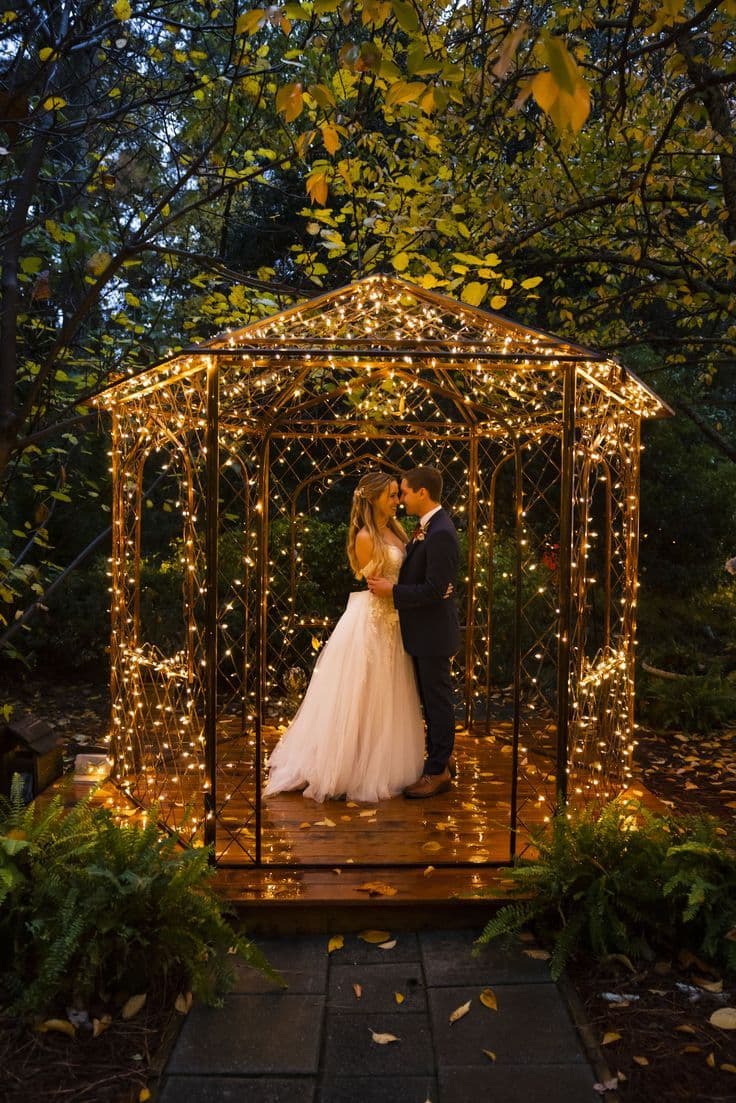
You found the venue. It is perfect, the date is open, and the coordinator slides a contract across the table with a smile and a pen. You sign, you pay 40% down, and you drive home glowing. Three months later your guest count drops from 150 to 90, you no longer need half the space, and you ask about adjusting the deposit. The answer is a polite, rehearsed "that deposit is non-refundable." It always was. You just did not read the line that said so.
This is the moment where couples lose the most money, and it almost never feels like a fight. It feels like paperwork. But most wedding deposits become fully non-refundable the second you sign, and the difference between a good contract and an expensive one is a few sentences you negotiate before the pen touches the page.
Here are the five deposits you will likely never get back, what each one typically costs, and the exact thing to ask for instead.
why "non-refundable" is not the villain here
Let's be clear up front: none of this is illegal, and most of it is not even unreasonable. Vendors hold your date, turn away other couples, and often start ordering, scheduling, or planning long before your wedding day. A deposit protects them from a last-minute cancellation that leaves a Saturday in peak season empty. That is fair.
The problem is not that deposits exist. The problem is paying them without negotiating the terms. A credit instead of a forfeit. A split payment schedule. A flat dollar cap instead of a percentage that balloons. These are all things vendors will actually agree to if you ask before you sign. After you sign, you have zero leverage, because they already have your money and your signature.
So think of the numbers below not as bad deals, but as opening offers.
01. the venue deposit
Typical cost: 25-50% upfront, zero refund.
The venue is usually the biggest single check you write, so a 25-50% deposit on a $30,000 venue is $7,500 to $15,000 gone the moment you commit. If your plans change, that money almost never comes back, and venues rarely budge on the refund question because the calendar date is their entire product.
What to pay instead: negotiate a credit, not a deposit.
Instead of a straight non-refundable deposit, ask whether your payment can convert to a credit if you cancel or postpone within a defined window. Venues that will not refund cash will often agree to hold the amount toward a rescheduled date, especially if you rebook within a year. It is the same dollars to them and dramatically less risk to you.
If they refuse a credit entirely, push on the postponement clause specifically. A date change is very different from a walk-away cancellation, and a reasonable venue distinguishes between the two.
02. the florist retainer
Typical cost: $500-1,500, held even if you downsize.
Here is the quiet trap with flowers. You book a lush, maximalist vision, pay a $500-1,500 retainer, and then reality (and your budget) trims it down to something simpler. That retainer does not shrink with your order. It is held regardless of how much you scale back, and it is often applied to nothing at all if the final invoice comes in lower than expected.
What to pay instead: ask to apply it to your final balance.
The fix is one sentence in the contract: the retainer applies directly to your final balance. That way, if you downsize, the money you already paid is still working for you instead of vanishing into a "booking fee" line item.
the specific language to ask for
Ask the florist to write it plainly: "Retainer of $[amount] to be credited in full toward the final invoice." If they will only frame part of it as a non-refundable booking cost, ask them to split it. For example, $300 non-refundable to hold the date and $700 credited to your order. You would be surprised how often that works when you ask kindly and early.
03. the planner booking fee
Typical cost: 20-50% of their fee, fully non-refundable.
Wedding planners lock in a booking fee that runs 20-50% of their total rate. On a $5,000 planning package, that is $1,000 to $2,500 committed before they have built a single timeline. And unlike a venue date, a planner's availability is more flexible, which gives you a bit more room to ask for protection.
What to pay instead: request a 90-day cancellation window.
Ask for a clause that lets you cancel and recover a portion of the booking fee if you give at least 90 days' notice. The logic is simple and reasonable to a planner: with three months of runway, they can rebook your date. A no-notice cancellation costs them a booking, but a 90-day heads-up usually does not.
Frame it as a partnership, not a loophole. Something like: "If either of us needs to part ways, can we build in a 90-day window so it is fair on both sides?" Most planners deal with contracts every day and will respect a couple who reads theirs.
04. the photographer retainer
Typical cost: $1,000-2,000, gone the day you sign.
Photographer retainers average $1,000-2,000 before a single photo is taken. Photographers book far in advance and turn down other weddings for your date, so they are protective of this, and understandably so. But the entire retainer sitting non-refundable for 12 to 18 months is a lot of cash idling while your budget is stretched everywhere else.
What to pay instead: split it into a payment schedule.
Instead of one large lump upfront, ask to split the payment: 25% now, 75% week-of. You still commit meaningfully, the photographer still has skin in the game to hold your date, and you keep more of your money liquid during the expensive middle stretch of planning when other deposits are stacking up.
A payment schedule is one of the easiest asks on this entire list. Photographers know their work is delivered after the wedding, so pushing the bulk of payment closer to (or after) the event is often an easy yes.
05. the catering hold
Typical cost: 10-20% of an estimate that will almost certainly change.
This one is the sneakiest. Catering holds quietly claim 10-20% of an estimate, and catering estimates always change. Guest counts move, menus swap, bar packages get added or cut. A 15% hold on a $20,000 catering estimate is $3,000 locked in against a number that is basically a guess this early.
What to pay instead: cap it at $500 flat in the contract.
Instead of a floating percentage tied to a moving estimate, ask for a $500 flat cap on the catering hold, written into the contract. A flat dollar amount protects you from a deposit that grows every time the estimate does, and it keeps a rough early number from locking in real money.
If they will not do $500, get any fixed dollar figure in writing rather than a percentage. The goal is to stop the deposit from tracking an estimate you have not finalized.
red flags to watch for during contract week
Some terms are worth a second look before you sign. Watch for:
- "Non-refundable under any circumstances" with no postponement or credit language anywhere in the document.
- A deposit tied to a percentage of an "estimate" rather than a fixed number, especially in catering.
- No cancellation window at all, meaning you forfeit 100% whether you cancel tomorrow or a year out.
- Retainers that are separate from your final balance, so the money you pay early never actually reduces what you owe.
- Vague payment terms with no schedule, so the full amount can be demanded whenever the vendor decides.
- A refusal to put verbal promises in writing. If a vendor says "oh, we always credit that," get it in the contract. A friendly conversation is not a term.
None of these mean the vendor is dishonest. Most are just standard boilerplate that nobody bothered to soften. But standard is not the same as final, and every one of these is negotiable while you still hold the pen.
before you sign anything
Contract week is the highest-leverage moment in your whole budget. A few clear asks can protect thousands of dollars. Save this and work through it:
- Venue: ask for a credit, not a deposit, if plans change.
- Florist: get the $500-1,500 retainer applied to your final balance.
- Planner: request a 90-day cancellation window on the booking fee.
- Photographer: split the $1,000-2,000 retainer 25% now, 75% week-of.
- Catering: cap the hold at $500 flat, in writing.
- Everything: if it is not in the contract, it does not exist. Get every promise on paper.
Ask before you sign, always in writing, and treat every deposit number as an opening offer instead of a rule. For more on reading the fine print, our contracts guides walk through the clauses that quietly cost couples the most.
And if you want to know exactly what your own quotes say about deposits, drop your contracts into Altared and see every term flagged line by line, free. Get started here before you hand over a single dollar.
Frequently asked questions
- Are wedding deposits ever refundable?
- Usually not once you sign. Most wedding deposits become fully non-refundable the moment the contract is signed, because vendors hold your date and turn away other couples. That said, non-refundable does not mean non-negotiable. Before signing, you can often convert a deposit into a credit toward a rescheduled date, apply a retainer to your final balance, or add a cancellation window. The key is asking before the pen touches the page. Afterward, you have no leverage because the vendor already has your signature and your money.
- How much is a typical wedding photographer retainer?
- Photographer retainers average $1,000-2,000, and they are typically due the day you sign, long before a single photo is taken. Photographers book far in advance and decline other weddings for your date, which is why they protect this payment. Rather than paying the full amount upfront, ask to split it on a schedule, for example 25% now and 75% the week of the wedding. You still commit enough to secure the date, but you keep more of your money liquid during the expensive middle stretch of planning.
- What is a catering hold and how do I cap it?
- A catering hold is a deposit that quietly claims 10-20% of your catering estimate, an estimate that almost always changes as guest counts and menus shift. On a $20,000 estimate, a 15% hold is $3,000 locked against a rough early number. Instead of a floating percentage, ask for a $500 flat cap written directly into the contract. A fixed dollar figure stops the deposit from growing every time the estimate does. If they will not agree to $500, get any fixed number in writing rather than a percentage.
- Can I negotiate a wedding planner's booking fee?
- Yes. Planners lock in a booking fee of 20-50% of their total rate, fully non-refundable, but their availability is more flexible than a venue date. Ask for a 90-day cancellation window so you can recover part of the fee if you give enough notice to let them rebook. Frame it as fair on both sides rather than a loophole. Most planners handle contracts constantly and respect a couple who reads theirs. Whatever you agree to, get it in writing, because a friendly verbal promise is not a contract term.
- What deposit red flags should I watch for before signing?
- Watch for language that says non-refundable under any circumstances with no postponement or credit option, deposits tied to a percentage of an estimate instead of a fixed number, and contracts with no cancellation window at all. Also flag retainers listed separately from your final balance, vague payment terms with no schedule, and any vendor who refuses to put a verbal promise in writing. None of these mean a vendor is dishonest, they are often just boilerplate nobody softened. But standard is not final, and each one is negotiable while you still hold the pen.