The Florist Proposal Trick That Doubles Your Bill by Week 3
The first florist proposal is designed to get you to say yes. Here's the week 3 sales move that doubles your bill, and the one clause that stops it.
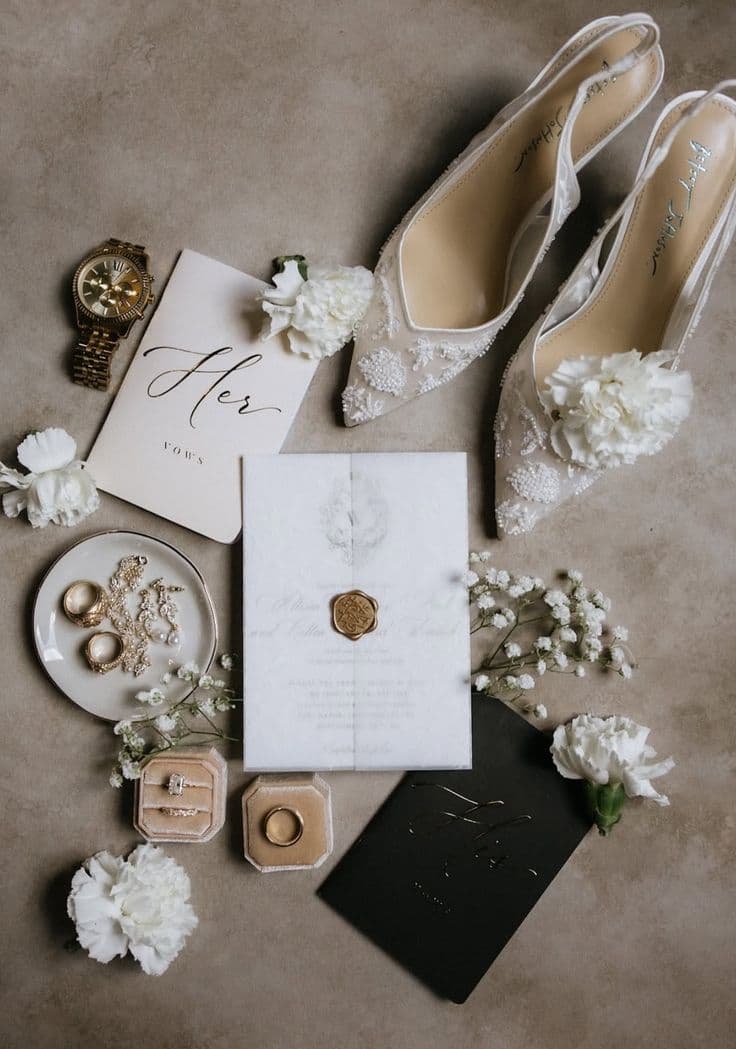
The first florist proposal lands in your inbox on a Tuesday. It's $2,200. You'd been bracing for $4,000, maybe $5,000 based on the Pinterest board you've been building since you got engaged. So $2,200 feels like a win. You sign. You send the deposit. You tell your mom the florist is locked in.
Then, somewhere around week 3, your florist emails you with a friendly subject line. "Just want to walk through a few ideas." You hop on the call. By the time you hang up, you've agreed to garlands for the ceremony arch, bud vases for the cocktail tables, and a "lusher" look for the head table. Each one sounded small. The revised invoice is $4,600.
That's not a coincidence. That's the playbook.
The Setup: A Low Quote Designed to Get a Yes
Florists, like most wedding vendors, know exactly what couples do after the first proposal lands. You compare it to one or two other quotes. You feel relieved if it's lower than expected. You sign before someone else books the date.
The first proposal is not a budget. It's a foot in the door. It's engineered to make the math feel safe so you commit. Once your deposit clears and your date is on their calendar, the dynamic shifts. You're no longer a prospect. You're a client who has already paid, who has already told family the florist is booked, and who is much less likely to walk away.
That is when the upgrade conversation starts.
What you're told (and what it actually means)
Listen for any of these phrases in your early calls:
- "The proposal is just a starting point."
- "We'll refine the vision together."
- "Just pick what feels right to you."
These sound collaborative. They sound like good service. What they actually do is signal that the number on the page is not the number you'll pay. The proposal is a draft, the revision call is the close, and "refining the vision" is the script for adding line items you didn't ask for.
How Week 3 Actually Plays Out
Here's the timeline most couples don't see coming:
- Week 1: Proposal arrives at $2,200. You feel good. You sign and pay a deposit.
- Week 2: A warm follow-up email. Photos of inspiration. Maybe a shared Pinterest board.
- Week 3: The "check-in" call. Not a check-in. A sales call. The florist walks you through additions, each one framed as a small enhancement.
- Week 4: Revised invoice lands at $4,600. Your floral budget just doubled, and you barely noticed it happen.
The items added in that call are almost always the same set: garlands for the arch, bud vases for cocktail tables, fuller centerpieces, extra greenery on the head table, maybe a few bouquets for moms or grandmothers you "forgot" the first time. Each one is real. Each one would look nice. None of them were in your original budget.
This isn't a story about a bad florist. Plenty of florists who do this are talented and kind. It's a story about how the industry structures its sales process, and how easy it is to roll with it when you're excited and overwhelmed.
The One Clause That Stops the Revision Call Cold
Here's the fix, and it's almost embarrassingly simple. Before you sign anything, add a single line to the contract:
No revisions that increase the total above the approved budget of $X without written sign-off from the client first.
That's it. One sentence. Most florists will not push back on it. The ones who do are telling you something important about how they make their money.
What this clause does is reset the power dynamic on the week 3 call. Instead of the florist proposing additions and you nodding along, every upgrade has to come back to you in writing with a number attached. You see the full math before you agree to anything. "Garlands for the arch" is no longer a vague enhancement. It's a $400 line item you can say yes or no to with full information.
The call goes from a soft sales pitch to a straightforward conversation about tradeoffs. That is exactly where you want it.
How to actually get this into your contract
When the florist sends the contract:
- Read it once for what's in it. Then read it again for what's missing.
- Reply with: "Before I sign, I'd like to add a clause that any changes increasing the total above $X require my written approval first. Can you add that and resend?"
- If they say yes, sign. If they hesitate or say it's not how they work, that is information. Get a second quote.
- Make sure the clause names a specific dollar figure, not just "the budget." Vague caps don't hold up.
This is true for every vendor, by the way, not just florists. Caterers, rental companies, and planners all use versions of the same revision pattern. The clause works the same way for all of them. If you want more on how to structure vendor agreements, our guides under contracts walk through this in more detail.
Red Flags to Watch For Before You Sign
Not every florist runs the week 3 play, but the ones who do tend to share a few tells. Watch for these in your first interactions:
- The proposal comes in noticeably lower than other quotes you've gotten. A $2,200 quote when two other florists came in at $4,000+ is not a deal. It's a setup.
- The proposal is vague on quantities. "Centerpieces for the reception" without a count, or "ceremony florals" without specifics, leaves room to redefine scope later.
- The contract has no cap clause and no language about how revisions are priced. This is the biggest one.
- They resist putting things in writing. "We'll figure it out as we go" is a phrase you do not want to hear from anyone you're paying thousands of dollars.
- The revision call is already on the calendar before you've signed. If a "design refinement" meeting is built into the standard timeline, that's the upsell call. Now you know.
None of these are dealbreakers on their own. Together, they're a pattern. Trust the pattern.
Track Every Proposal Side by Side
The other thing that protects you is just keeping clean records. When you're talking to three florists and each one sends a proposal, then a revision, then a final invoice, it gets hard to remember what was promised when and at what price. That's exactly the fog the week 3 call counts on.
This is what we built Altared to fix. You can drop in every florist proposal, log the revisions, and see the original quote, revision history, and final number side by side. When the florist says "this was always part of the plan,” you have the receipts. When you're comparing florist A's $2,200 quote to florist B's $3,400 quote, you can see what's actually included in each, not just the top-line number.
A spreadsheet works too. The point is that you have a single place where the original quote lives, untouched, so the goalposts can't move on you quietly.
What to Do Before You Sign Your Florist Contract
If you're about to sign, or you've gotten a first proposal and are trying to figure out your next move, here's the short version:
- Get at least two more quotes before you fall in love with the first number. A $2,200 proposal means something very different next to a $4,000 one.
- Ask for itemized quantities and unit prices, not bundled categories. "12 centerpieces at $85 each" beats "reception florals: $1,020."
- Add the cap clause: no revisions above your approved budget without written sign-off. Name the dollar figure.
- Treat the week 3 call as a sales meeting, because it is. Go in knowing you can say no, and bring the original proposal with you.
- Log everything in one place. Original quote, revision dates, what changed, final invoice. You'll be glad you did.
The goal isn't to fight your florist. It's to make sure the number you signed up for is the number you actually pay, and to keep the room for upgrades inside your control, not theirs. One clause, two quotes, and a clean paper trail. That's the whole defense.
Frequently asked questions
- Is it rude to ask a florist to cap revisions in the contract?
- Not at all. Good florists work with budget caps all the time and won't blink at a written clause. You're not accusing them of anything, you're just making the budget explicit. If a florist pushes back hard or refuses to add a cap, that's worth paying attention to. It usually means their pricing model depends on adding items after you've signed. You're allowed to ask for any reasonable contract terms before you commit, and a clear budget ceiling is one of the most reasonable terms there is.
- What if I actually want to add things after I sign?
- A cap clause doesn't prevent upgrades, it just requires written approval. If you genuinely want garlands or fuller centerpieces after seeing your venue in person, you can absolutely add them. The clause just means the florist sends you a revised quote with the new line items and price, and you sign off before any work changes. That keeps you in control of the budget and prevents "small" additions from compounding into a doubled invoice you didn't see coming.
- How much should I actually budget for wedding florals?
- It varies wildly by region, guest count, and how floral-heavy your vision is, but the proposals in this article ranged from around $2,200 on the low end to $4,600 after revisions. Couples doing a full floral look (arch, aisle, centerpieces, bouquets, boutonnieres, installations) often land between $4,000 and $8,000. The most important number isn't the average, it's the cap you set before signing. Decide what you can spend, then make the contract reflect it.
- What other vendors use the week 3 revision trick?
- Caterers and rental companies are the other big ones. Caterers often quote a base per-head price, then add upgrades for premium bar, late-night snacks, passed apps, or service staff. Rentals do the same with chairs, linens, glassware tiers, and delivery fees. The same cap clause works for all of them: no revisions above the approved total without written sign-off. Photographers and DJs do it less often because their pricing tends to be more package-based, but always read the contract for what counts as an add-on.
- What if I already signed without the cap clause?
- You still have options. You can email the florist now and ask to add an amendment that caps further changes at the current total. Most will agree, especially if you frame it as wanting clarity for your own budgeting. If the revision call has already happened and you feel pressured, take a step back and ask for everything in writing with itemized prices before agreeing. You're allowed to say no to upgrades. The signed proposal is the floor, not the ceiling, and you don't owe anyone a yes on additions.