Your Florist Quoted Peak Season. Your Date Might Not Be.
Your florist may have priced peak-season flowers into an off-season wedding. Learn how seasonal pricing hides in your quote and what to ask before you sign.
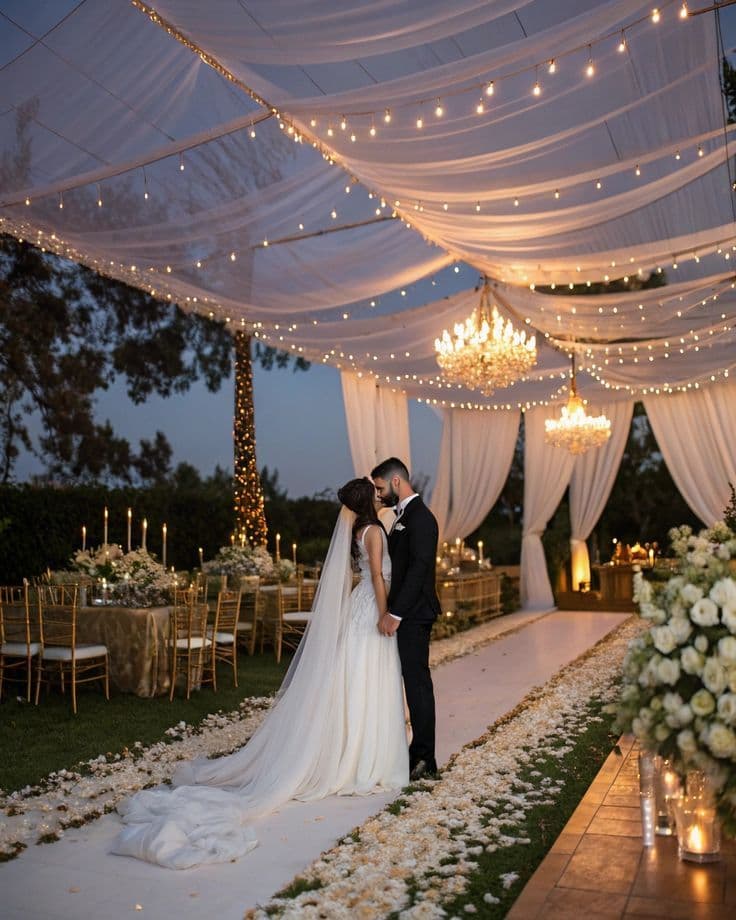
A couple getting married the second weekend of October sat down with a florist quote for $6,800. The centerpieces called for garden roses. The bridal bouquet leaned on ranunculus and a few peonies "for fullness." It read beautifully. It also read like a quote built for a June wedding, not an October one.
Here is the part nobody flagged for them: garden roses peak in late spring, ranunculus runs late winter into spring, and peonies are essentially a May-into-early-June flower. By October, every one of those blooms is either out of season, imported at a premium, or substituted for something the florist still prices like the original. The couple wasn't being scammed. They were being quoted on autopilot.
That gap between what the florist quoted and what their date actually costs lived in the line items. And they almost never asked, because they didn't know to look.
why your florist's default quote assumes peak season
Florists build their default quotes around peak-season flower pricing. Peonies in May, garden roses in June, the whole expensive calendar. It's not malicious, it's muscle memory. The flowers they show on Instagram, the arrangements clients ask for most, the proposals they've written a hundred times, all of it skews toward the spring and early-summer palette because that's when the wedding industry's most photographed flowers are cheap and abundant.
So when you walk in with an October, November, or early March date, the florist often starts from that same template. The blooms get quoted at the price they'd cost in their best month, even though your date sits months away from it.
A few things drive the actual cost difference:
- Availability. A flower in season locally is plentiful and cheap. The same flower out of season has to be flown in, often from South America or the Netherlands, with freight and import costs baked in.
- Substitution markup. When a peak flower isn't available, florists swap in a look-alike. Sometimes the substitute is cheaper and you never see the savings passed along.
- Loss and handling. Imported and out-of-season stems are more fragile, so florists pad the count to cover breakage. You pay for stems that never make it into an arrangement.
- The quote template itself. If the proposal was duplicated from a spring wedding, the line-item prices may simply never have been adjusted for your season at all.
None of this shows up as a line that says "peak-season assumption." It's just folded into the per-stem and per-arrangement numbers, which is exactly why it's so easy to miss.
what off-season actually means for your date
"Peak season" for wedding flowers is roughly April through June, with a second smaller bump in early fall for specific blooms. If your wedding is in October, November, or even early March, you are probably not in peak season, and that's good news for your budget if you know how to use it.
Off-season doesn't mean fewer flowers or worse flowers. It means different flowers, and the smart move is to lean into what's naturally abundant on your date instead of paying import prices to force a spring look in autumn.
flowers that are genuinely in season when you are
- October and November: dahlias, chrysanthemums, garden-style roses that are still croppping, amaranthus, marigold, and a deep palette of seasonal greenery. These are gorgeous and they're cheap because they're everywhere.
- Early March: ranunculus and anemones start coming into their own, tulips are abundant, and early spring branches are available.
If your florist quoted you peonies for an October wedding, that's not a flower choosing problem, it's a pricing problem. Either you're paying a premium to import a May flower into fall, or they're going to substitute and you deserve to see that reflected in the number.
where the gap hides in your line items
The quote rarely lies outright. It just doesn't volunteer the assumption. Here's where seasonal pricing tends to hide:
Per-stem pricing on premium blooms. If a quote lists peonies, garden roses, or ranunculus at a flat per-stem rate for an off-season date, ask what that rate assumes. Imported peonies in November can cost two to four times their May price, and that multiplier may already be inside the number, or worse, may be priced as if it's May and corrected later with a change order.
"Designer's choice" or "seasonal substitutions allowed" clauses. These are reasonable and often smart, because they let the florist use what's freshest. But if the contract allows substitutions and the price was set on premium flowers, you want to confirm that a swap to cheaper in-season blooms means a lower price, not the same price with different flowers.
Bulk "lush" or "full" upgrades. Words like "lush," "full," and "abundant" usually mean more stems. More stems of an out-of-season flower compounds the premium fast.
Centerpiece counts. Twelve centerpieces at $145 each is $1,740. If even $30 of each centerpiece is seasonal premium you didn't need, that's $360 sitting in the quote for no reason your date justifies.
a real dollar example
Go back to the $6,800 October quote. Walk the line items and the pattern shows up quickly:
- Bridal bouquet built on peonies and ranunculus: roughly $250, with maybe $90 of that being off-season premium on flowers that don't belong in October anyway.
- Twelve centerpieces at $145 each ($1,740), each carrying garden roses priced like June.
- Aisle and arch work leaning on the same premium spring palette.
Swap the peonies and ranunculus for dahlias and seasonal garden roses that are genuinely cropping in October, accept tasteful in-season substitutions where they make sense, and that $6,800 quote can land meaningfully lower without losing a single bit of the look. The point isn't to cheap out. It's to stop paying May prices for an October wedding.
The reason most couples never capture that savings is timing. Once you've signed, you've lost the negotiating room. The question has to come before the signature.
red flags to watch for
When you read your florist quote, slow down on these:
- Peak-season flowers named for an off-season date. Peonies in November, ranunculus in October, tulips in August. Any of these should prompt a direct question about cost and availability.
- Flat per-stem pricing with no seasonality note. If the same flower is the same price year-round on the quote, that price is probably the peak number.
- A substitution clause with no corresponding price adjustment. "We may substitute based on availability" is fine. "And the price stays the same regardless" is the part to push on.
- A proposal that matches the florist's portfolio more than your season. If your fall wedding quote looks exactly like the spring weddings on their feed, the template may not have been adjusted.
- Vague bundle pricing. "Floral package: $4,200" with no breakdown means you can't see where the seasonal assumptions live. Ask for the line items.
- Pressure to sign quickly to "lock the date." Locking a vendor's calendar is reasonable. Locking the price before you've reviewed seasonality is where couples lose money.
None of these mean your florist is dishonest. Most florists are happy to adjust when you ask, because in-season flowers are easier for them too. The problem is that the conversation only happens if you start it.
how altared reads your quote for you
This is exactly the kind of thing Altared was built to catch. You drop in your florist quote, and Altared reads it and flags the places where seasonal pricing assumptions are baked in. It finds the peak-season flowers priced into an off-season date, the substitution clauses worth questioning, and the line items where the math is quietly built around the expensive calendar.
The goal is simple: you walk into the conversation knowing exactly what question to ask before you sign and lose the negotiating room. You're not guessing whether October flowers should cost what June flowers cost. You can see it.
If you're comparing florists or staring at a quote that feels high and you can't say why, this is the part of the process where a second set of eyes pays for itself. You can read more in our hidden costs guides, or just get started and run your actual quote through it.
before you sign your florist quote
Here's the short version to keep handy:
- Find your season. If your date is in October, November, or early March, you're likely off-peak, and your quote should reflect that.
- Read the line items, not the total. The total tells you nothing. The per-stem and per-arrangement prices tell you everything.
- Flag every peak-season flower. Peonies, garden roses, ranunculus, tulips priced for an off-season date are your first questions.
- Ask what substitution does to the price. Confirm that a swap to in-season blooms lowers the number, not just the flowers.
- Ask before you sign. Once you've signed, the negotiating room is gone.
- Run it through Altared. Drop in your quote and see what season you're actually paying for.
Your flowers can be exactly as beautiful in October as they'd be in June. You just shouldn't be paying June prices to get there.
Frequently asked questions
- How do I know if my wedding date is in peak flower season?
- Peak wedding flower season runs roughly April through June, when the most photographed blooms like peonies, garden roses, and ranunculus are abundant and cheap. There's a smaller bump in early fall for specific flowers like dahlias. If your wedding is in October, November, or early March, you're probably off-peak, which usually works in your budget's favor. The catch is that florists often quote off-season dates using their peak-season template, so the lower availability of premium spring flowers can actually mean a higher price unless you steer toward what's naturally in season on your date.
- Why would an off-season wedding sometimes get a higher flower quote?
- Because florists build their default quotes around peak-season flower pricing, and that template doesn't always get adjusted for your date. If your October quote still calls for peonies and ranunculus (spring flowers), those blooms have to be imported at a premium, with freight, import costs, and extra stems to cover breakage all baked into the number. The fix usually isn't paying more, it's swapping to flowers that are genuinely in season on your date, like dahlias and seasonal garden roses, which are abundant and cheaper in fall.
- What should I ask my florist before signing the quote?
- Ask three things. First, are any flowers in this quote out of season for my date, and what does that add to the cost? Second, if the contract allows substitutions, does swapping to in-season blooms lower the price or just change the flowers? Third, can I see the line items rather than a single bundled total? Most florists adjust happily, because in-season flowers are easier for them too. The key is asking before you sign, because once you've signed, you've lost the negotiating room.
- Can off-season wedding flowers still look full and luxurious?
- Yes, completely. Off-season doesn't mean fewer or worse flowers, it means different ones. An October wedding built on dahlias, chrysanthemums, seasonal garden roses, amaranthus, and rich greenery can look every bit as lush as a June peony wedding, often for noticeably less money. The mistake is forcing a spring palette into a fall date and paying import prices for the privilege. Lean into what's abundant on your date and you keep the look while dropping the cost.
- How does Altared help with a florist quote?
- You drop in your florist quote and Altared reads it, then flags the places where seasonal pricing assumptions are baked in. It points out peak-season flowers priced into an off-season date, substitution clauses worth questioning, and line items where the math quietly assumes the expensive calendar. The result is that you know exactly what question to ask before you sign. You can try it free at altared.app, or get started and run your actual quote through it to see what season you're really paying for.