6 Hidden Venue Fees Nobody Warns You About Until It's Too Late
The venue quote is almost never the real number. Here are 6 hidden venue fees, from security to overtime, and how to catch them before you sign.
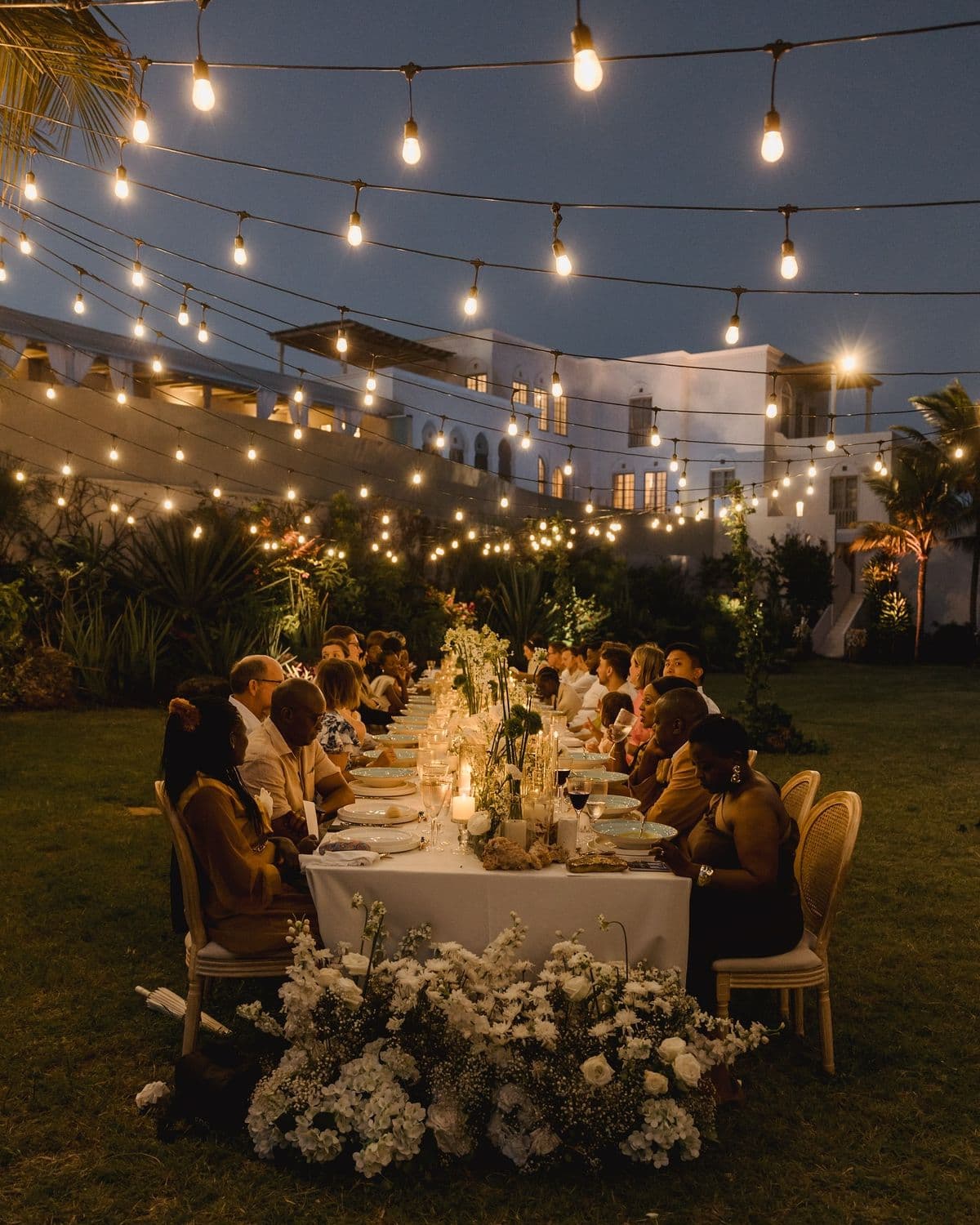
You tour a venue on a Saturday morning. The light hits the reception hall just right, the coordinator is lovely, and the quote she hands you says $12,000 for your date. You go home a little in love. Three weeks later the contract lands in your inbox, and by page three you are staring at line items that were never in the pretty brochure: a mandatory guard after 9pm, a corkage charge on every bottle you brought yourself, a cleaning fee tucked into the final clause. Suddenly that $12,000 is closer to $15,000, and you have not even paid the deposit yet.
The venue quote is almost never the real number. That is not because venues are dishonest. These are standard line items that live deep in a contract, and most couples only see them after they have already signed. The good news is that all of them are predictable. Once you know the six that hit nearly every invoice, you can negotiate before you commit instead of swallowing them after.
Save this one for every venue tour. Here is what to look for.
The six fees that quietly inflate your quote
Think of these as the gap between the number on the brochure and the number on the final invoice. Each one is negotiable, waivable, or at least plannable if you catch it early.
- Security fee — $150 to $600 per guard, often mandatory after 9pm
- Corkage fee — $15 to $45 per bottle if you bring your own bar
- Setup hour — early vendor access billed at $200 to $500 per extra hour
- Cleaning fee — $300 to $1,200 flat, usually buried in the last clause
- Vendor meals — $35 to $75 per vendor plate, added to your tab
- Overtime rate — $500 to $1,500 per half hour past your contract end
Run through them one at a time and you will start seeing them in every quote you read.
01. Security fee
Plenty of venues require licensed security once the bar opens or once the clock passes 9pm, and they bill it per guard at $150 to $600. If your headcount pushes the venue into a two-guard requirement, that line quietly doubles. Ask two questions on the tour: is security required, and if so, how many guards for my guest count. Some venues let you use their preferred vendor, some force it, and some will fold it into your package if you ask before signing rather than after.
02. Corkage fee
If you are bringing your own wine or spirits to save money, the venue may charge $15 to $45 per bottle to open and serve it. On a 120-guest wedding, that math turns ugly fast. Say you plan for roughly 50 bottles across the night at $30 corkage. That is $1,500 on top of the alcohol you already bought. Sometimes the venue's in-house bar package actually beats the corkage-plus-your-own-bottles route once you run both numbers. Ask for the corkage rate in writing and compare it against their bar minimum before you assume BYO is cheaper.
03. Setup hour
Your florist needs the room at noon. Your rental company wants to drop tables at 10am. But your contract window might not start until 2pm, and every hour of early vendor access can run $200 to $500. Couples get blindsided here because they think of "the venue time" as their reception window and forget the entire load-in day their vendors need. Before you sign, map out when each vendor actually arrives, then confirm what is included in your rental block and what triggers an hourly charge.
Why these show up on page three, not page one
None of this is in the brochure because the brochure is a marketing document and the contract is the real one. The base quote is designed to be the most attractive number the venue can show you. The line items that follow are standard, but they only surface once you read the full agreement, and by then most couples have emotionally committed to the date.
That is the trap. You are least likely to negotiate right after you have decided this is the place. The move is to read the entire contract, all of it, before you sign anything or hand over a deposit. Flag every fee, then go back to the venue with specific questions. Venues expect this. The couples who ask are the ones who get corkage waived or a cleaning fee reduced. The couples who do not ask pay full freight.
If reading a dense contract line by line makes your eyes glaze, you can drop your venue quote into Altared and it pulls the line items out for you, so nothing hides on page three.
04. Cleaning fee
This is the one that hides in the last clause. A flat cleaning fee of $300 to $1,200 gets added regardless of how tidy your event was, and because it sits at the bottom of the contract, plenty of couples scroll right past it. Some venues require the fee and separately require you to leave the space broom-clean, which feels like paying twice. Ask whether the fee is mandatory, whether it covers trash removal and breakdown, and whether there is a version of the package where your caterer's team handles cleanup instead.
05. Vendor meals
Your photographer, videographer, band, and coordinator are with you for eight to ten hours, and most contracts (and basic decency) call for feeding them. Venues charge $35 to $75 per vendor plate, and that lands on your tab. With six vendors on site, you are looking at a few hundred dollars that never appeared in your per-guest catering estimate. The fix is simple: ask whether the venue offers a discounted vendor meal rate, and count your vendors into your food budget from the start instead of discovering them on the final invoice.
06. Overtime rate
Every timeline runs long. The toasts go over, the dance floor is packed, nobody wants to leave, and your contract end time arrives while the party is still going. Overtime can cost $500 to $1,500 per half hour, which is the single most expensive surprise on this list. Because it kicks in by the half hour, a 45-minute overrun can bill as a full hour. Before you sign, know your hard end time, know the overtime rate, and build a real buffer into your timeline so a natural 20-minute delay does not cost you four figures.
Red flags to watch for on the tour
Some contract language should make you slow down and ask more questions before you sign.
- "Preferred vendor" that is actually required. If security, cleaning, or bartending must come through the venue at their rate, you have lost your leverage to shop it. Confirm what is required versus recommended.
- A base quote with no itemized breakdown. If you cannot see the line items, you cannot compare venues honestly. Ask for an all-in estimate that includes security, cleaning, and expected overtime.
- Vague setup and breakdown windows. "Access included" means nothing without hours attached. Get the exact load-in and load-out times in writing.
- Fees written as a percentage instead of a flat number. A cleaning fee or service charge tied to your total scales up as your headcount grows. Model it at your realistic guest count, not the minimum.
- A signature deadline that feels rushed. "This date won't last" pressure is designed to stop you from reading page three. A venue confident in its value will give you time to read the whole contract.
If a coordinator gets cagey when you ask for fees in writing, treat that as information. The honest venues answer plainly, because these line items are normal and they know it.
What to do before you sign
You do not need to become a contract lawyer. You need to catch six predictable fees before the ink dries. Here is the short version to save for every tour:
- Ask for every fee in writing, including security, corkage, setup hours, cleaning, vendor meals, and overtime, and get them itemized.
- Model your real headcount, since per-guard, per-bottle, and per-plate fees scale with your numbers.
- Map your full vendor day, not just the reception window, so early-access hours do not ambush you.
- Know your overtime rate and hard end time, then build a buffer into the timeline because every timeline runs long.
- Read the entire contract, especially the last clause where the cleaning fee likes to hide.
- Negotiate before you commit, not after, because your leverage disappears the moment you sign.
The venue quote is almost never the real number, but the difference between the brochure and the invoice is not a mystery. It is these six line items. Catch them on the tour, ask your questions before the deposit, and drop your quote into Altared to flag every fee automatically. For more on the costs that do not make it into the brochure, browse the rest of our hidden costs guides.
Frequently asked questions
- Are wedding venue fees like corkage and cleaning negotiable?
- Often, yes. These are standard line items, not fixed prices, and venues expect couples to ask about them. Your leverage is highest before you sign, so raise every fee during negotiation rather than after. Corkage rates sometimes get waived if you commit to a bar minimum, cleaning fees can be reduced when your caterer handles breakdown, and vendor meal rates are frequently discounted on request. Once you have signed and paid a deposit, that leverage is mostly gone. Ask for each fee in writing, then go back with specific questions before committing.
- Why is the venue quote different from the final invoice?
- The quote is a marketing number designed to look attractive, while the contract is the real agreement. Fees like security ($150 to $600 per guard), corkage ($15 to $45 per bottle), setup hours ($200 to $500), cleaning ($300 to $1,200), vendor meals ($35 to $75 per plate), and overtime ($500 to $1,500 per half hour) usually live deeper in the document. They are not hidden dishonestly, but they surface on page three, so most couples only see them after they have emotionally committed to the date.
- How much can venue overtime actually cost?
- Overtime is typically the most expensive surprise on a wedding invoice, running $500 to $1,500 per half hour past your contracted end time. Because it bills by the half hour, even a short overrun can round up to a full increment. Every timeline runs long, so the fix is to know your hard end time and overtime rate before signing, then build a real buffer into your schedule. A natural 20-minute delay should not cost you four figures if you have planned for it.
- Do I really have to pay for vendor meals?
- In most cases, yes, and it is standard practice. Photographers, videographers, bands, and coordinators are often on site for eight to ten hours, and venues charge $35 to $75 per vendor plate, which lands on your tab. With six vendors, that adds a few hundred dollars couples rarely account for. Ask whether the venue offers a discounted vendor meal rate, and count your vendors into your catering budget from the start so the number does not surprise you on the final invoice.