5 Wedding Vendor Packages That Cost More Than Booking A La Carte
These 5 wedding vendor packages often cost more than booking a la carte. Run the numbers on DJ, catering, floral, and photo-video bundles before you sign.
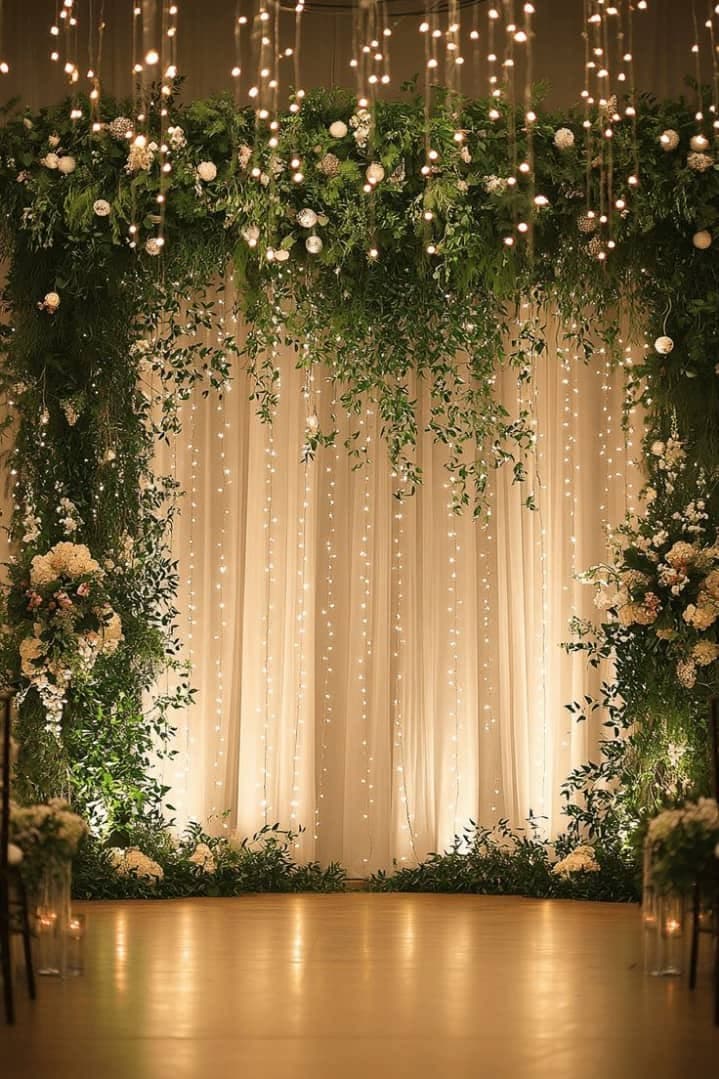
A couple I know sat down with a DJ who quoted them a "premium package" with uplighting included. It looked clean on paper: one number, one contract, one less thing to think about. Then they got curious and called a lighting company directly. The same uplighting they were being bundled into cost about $700 to rent standalone. The DJ's package added closer to $1,100 for it. That $400 gap was the "convenience" they were about to pay for without knowing.
That's the thing about packages. They feel like a deal, until you run the numbers. Sometimes the bundle genuinely wins and saves you money and coordination headaches. But you cannot know that until you put the package price next to the a la carte price and actually compare them. Below are five packages that frequently cost more than booking each piece separately, plus the math you need before you sign a single one.
01. DJ packages with uplighting baked in
Uplighting is the most common upsell in a DJ contract, and it's where the bundle math breaks down fastest. When a DJ folds uplighting into a "premium" tier, that add-on typically runs $500 to $1,200 more than sourcing it separately from a lighting rental company.
Why the spread? A DJ is not a lighting vendor. They mark up gear they don't specialize in because it's an extra service they have to haul, set up, and manage. A dedicated lighting company owns the fixtures, rents them constantly, and prices them at volume.
Here's how to check it:
- Ask the DJ for their base rate with no lighting at all.
- Ask for the "package" rate that includes uplighting.
- Subtract the first from the second to find the true cost of the uplighting inside the bundle.
- Get one quote from a standalone lighting or event rental company for the same fixture count.
- Compare the two uplighting numbers, not the two total numbers.
If the DJ is charging $1,100 for lighting you can rent for $700, that's your answer. If they're charging $600 for the same thing and throwing in setup, the package might actually win. The point is you can't tell until you isolate the line item.
02. Photo and video bundles
Photo-video bundles are sold on a simple promise: book both from one studio and split the savings. In practice, the bundled pair rarely splits the savings evenly, and sometimes it doesn't split them at all.
A studio that does both usually staffs the two roles separately anyway, then presents a combined price that looks discounted next to their own inflated standalone rates. The trick is that the "individual" prices they show you are often set high specifically to make the bundle look generous.
how to pressure-test a photo-video bundle
- Get the studio's real photo-only price and real video-only price in writing.
- Add them together. That's your baseline.
- Compare the bundle price to that baseline. A genuine bundle should knock a meaningful amount off, not $150 on a $6,000 pairing.
- Then get one outside quote for photo and one for video from separate vendors you actually like.
Coverage quality matters more here than in any other category. A bundle that saves you a little but gives you a second-shooter who's really a videographer holding a camera is not a deal. Book the work you want first, then let price break the tie.
03. Venue catering (in-house)
This is the big one, because catering is usually the single largest line in a wedding budget, so a percentage markup here hits harder than anywhere else. In-house per-head rates average about 30% over market rate compared to what an outside caterer would charge for a comparable menu.
Venues can do this because they've made themselves the only option. Many require in-house catering or charge a steep fee to bring in an outside caterer. That "exclusive" arrangement is exactly why the per-head number can drift 30% above what the same plated dinner costs on the open market.
Do the math on your actual guest count. If in-house catering is quoted at $130 per head for 120 guests, that's $15,600. A comparable outside caterer at market rate (roughly 30% less, so around $100 per head) would run $12,000. That's a $3,600 gap on food alone, before you factor in a venue's outside-caterer fee, which you'd need to subtract back in to compare honestly.
That last part is the catch. If the venue charges a $2,000 fee to bring your own caterer, your real savings on the example above drops to $1,600, not $3,600. Still money, but a different decision. Always net the fee against the savings before you call it. For more on how venues structure these costs, our hidden costs breakdowns go deeper.
04. Hair and makeup handled by one artist
Booking one artist to do both your hair and makeup sounds efficient, and sometimes it is. But watch for the pricing structure, because one artist doing both frequently bills a premium rate for each service rather than a combined discount.
The logic they'll give you is real: doing both is more time, more product, more skill. Fair. The problem is when the "both" price equals or exceeds what you'd pay two specialists who each do their one thing faster and often better. You lose the efficiency you were promised and pay two premiums stacked together.
questions to ask before you book one artist for both
- What's the per-service rate for hair alone?
- What's the per-service rate for makeup alone?
- What's the combined rate, and is it actually lower than those two added up?
- How much extra time does doing both add on the morning of, and does that push you into a rushed timeline?
Timeline is the sleeper issue here. One person doing both hair and makeup for a bride plus a bridal party can create a bottleneck that runs you late before you've even left for the ceremony. Two artists working in parallel can be worth the coordination even if the dollar difference is a wash.
05. Floral plus decor from one vendor
The florist-as-decorator package is the sneakiest of the five because the markup hides inside creativity. When a florist takes over your full decor (candles, drapery, rentals, signage, the lounge vibe), the florist-as-decorator markup can hit 40% over booking two vendors: one for flowers, one for decor and rentals.
Florists are experts at flowers. When they source non-floral decor, they're acting as a middleman, marking up items they rent from someone else. That 40% is you paying for their sourcing convenience on things they don't own.
A quick example: if a florist quotes $8,000 for flowers-plus-full-decor, a 40% markup on the decor portion could mean you'd pay meaningfully more than sourcing $3,000 in rentals directly and letting the florist focus on the $5,000 in flowers they actually specialize in. Get an itemized quote that separates florals from decor line by line. If they won't itemize, that's your signal.
red flags to watch for before you sign any package
A few patterns show up across all five of these. Treat any of them as a reason to slow down and get the comparison in front of you:
- They won't itemize. If a vendor can't or won't break the package into individual line items, you can't compare it to anything. That's usually intentional.
- The "individual" prices seem inflated. When standalone rates exist mainly to make the bundle look generous, the discount is a story, not a savings.
- Exclusivity is doing the work. Venue-required catering, "only we can do this," or add-ons you're told you can't source elsewhere are how markups survive.
- The savings don't survive the fees. An outside-caterer fee, a bundle that saves $150 on thousands, a "combined" rate that's just two premiums stacked. Net everything out.
- Convenience is the only pitch. Convenience is a real value. Just make sure you know its price before you agree to pay it.
None of this means packages are bad. Sometimes the package genuinely wins on price, on coordination, or on the simple sanity of one point of contact. The rule isn't "never bundle." The rule is "compare first, sign second."
the quick version to save before your next vendor meeting
- DJ + uplighting: isolate the lighting line item, then get one standalone rental quote. Watch for a $500 to $1,200 gap.
- Photo + video: get real solo prices, add them, and make the bundle beat that baseline by a real amount.
- Venue catering: expect in-house to run about 30% over market, and net any outside-caterer fee against your savings.
- Hair + makeup: confirm the combined rate actually beats two separate specialists, and check the morning-of timeline.
- Floral + decor: demand an itemized quote and remember the decor markup can hit 40%.
Do this before you sign, not after, because the comparison is only useful while you can still negotiate. If you want to skip the spreadsheet, you can drop your quotes into Altared and compare every package against a la carte pricing in seconds. Get started free and see where the real total actually lands. Then send it to the friend who just got engaged, because this is exactly the math she needs right now.
Frequently asked questions
- Are wedding vendor packages ever actually cheaper than a la carte?
- Yes, sometimes the package genuinely wins. A bundle can save you money and coordination headaches when the vendor prices the included services fairly and throws in setup or labor you'd otherwise pay for separately. The problem is you can't know whether a given package wins until you isolate each line item and compare it to standalone quotes. Treat every package as a hypothesis, not a fact. Get the individual prices, add them up, and let the numbers decide rather than the convenience pitch.
- How much more does DJ uplighting cost inside a package?
- When a DJ bundles uplighting into a premium tier, that add-on typically runs $500 to $1,200 more than sourcing it separately from a dedicated lighting rental company. That happens because a DJ is not a lighting specialist, so they mark up gear they have to haul and manage. To check yours, ask for the base DJ rate with no lighting, then the package rate, and subtract to find the true cost of the uplighting inside the bundle. Compare that number to one standalone lighting quote.
- Why is in-house venue catering more expensive?
- In-house per-head rates average about 30% over market compared to a comparable outside caterer, largely because many venues make themselves the only option through exclusivity requirements. When you can't bring anyone else in, there's little pressure to price competitively. Run the math on your actual guest count, then subtract any outside-caterer fee the venue charges before you decide. A $3,600 apparent saving can shrink to $1,600 once a $2,000 fee is netted against it, which changes the decision entirely.
- How big is the markup when a florist also handles decor?
- The florist-as-decorator markup can hit 40% over booking two vendors, one for flowers and one for decor and rentals. That's because florists act as a middleman on non-floral items they rent from someone else, marking them up for the sourcing convenience. Ask for an itemized quote that separates florals from decor and rentals line by line. If the vendor won't itemize, treat that as a red flag. Often you're better off letting the florist focus on the flowers they specialize in and sourcing rentals directly.
- What's the fastest way to compare a package to a la carte pricing?
- Get itemized numbers, add up the a la carte equivalents, and net out any fees like a venue's outside-caterer charge. If you'd rather not build a spreadsheet, you can drop your quotes into Altared and compare every package against a la carte pricing in seconds, free. The goal is to have the comparison in front of you before you sign, while you can still negotiate, rather than discovering the gap after the contract is locked.