What a Wedding Planner Actually Saves You, in Real Numbers
A wedding planner's real value in dollars: trade pricing, overtime, floral spend, tipping, contract gaps, and budget creep. What a wedding planner saves you.
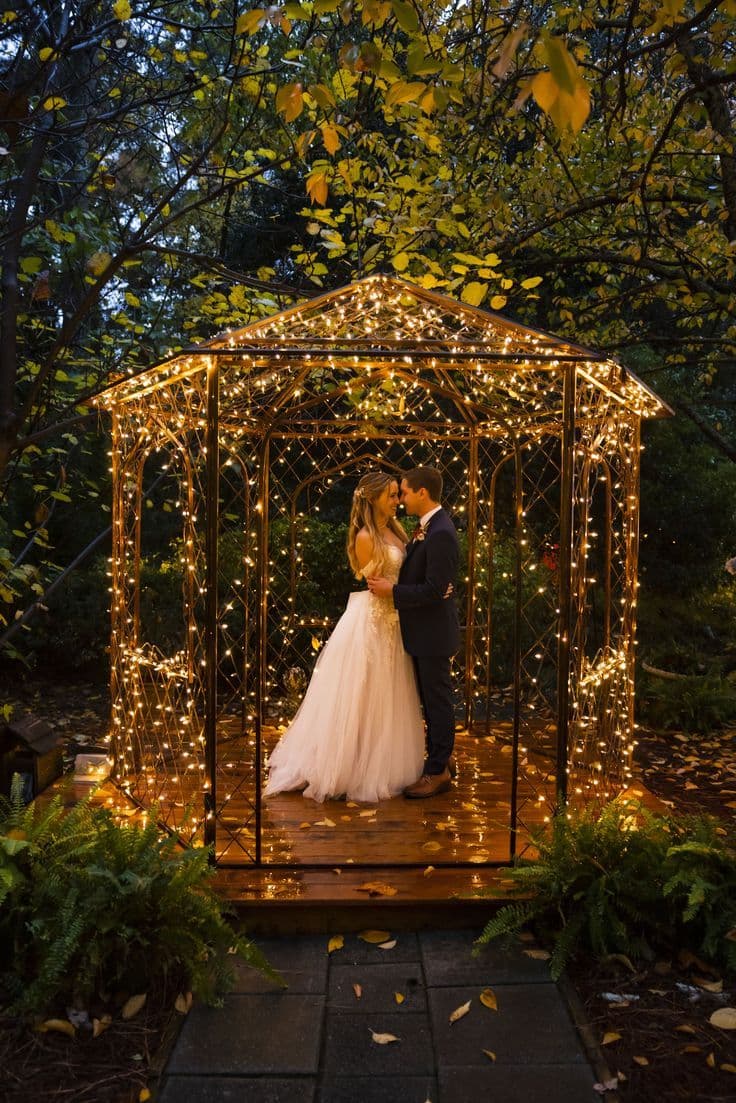
Picture the couple three weeks out from their date. They've booked everything themselves, they're proud of it, and they've just gotten the final invoice from their caterer. There's a line on it they didn't expect: two hours of overtime, billed at $300 an hour, because dinner ran late and nobody was watching the clock. Six hundred dollars, gone, over a timing issue a run-of-show would have caught. That's the moment a lot of people start doing the math on what a coordinator would have cost, and realizing the question was never "can we afford a planner." It was "can we afford to skip one."
A wedding planner isn't just a convenience. When you look at the actual numbers, the value shows up in six specific places, and most of them are invisible until it's too late to fix them. Here's where the money actually moves.
1. Vendor rates: trade pricing you can't get on your own
Planners get trade pricing, often 10-20% below what you'd pay booking direct. This isn't a mystery discount or a favor. It's the same relationship any industry has with its repeat, high-volume customers. A planner who sends a florist eight weddings a year is a very different client than you, booking one wedding, once, ever.
That 10-20% compounds fast because it applies across categories, not just one line item. On a florist quote of $6,000, trade pricing can put $600 to $1,200 back in your pocket. On a rentals order, on lighting, on a photo-booth add-on, the same math repeats. You never see the retail number because the planner never quotes you retail.
The catch: not every planner passes the full discount to you, and some mark services back up. That's fine as long as it's transparent. Ask directly whether their pricing reflects trade rates and how they handle vendor commissions. If the answer is vague, that's information too.
2. Overtime costs: the run-of-show that pays for itself
A tight run-of-show cuts overtime bills, which run $150-500 per vendor per hour. Read that number again, because it's per vendor. If your reception runs 90 minutes long and you've got a band, a photographer, and a catering team all on the clock, you're not paying one overtime fee. You're paying three or four, simultaneously.
Here's how that stacks up in a realistic scenario:
- Photographer runs one extra hour: $300
- Videographer, same hour: $250
- Catering staff staying to break down late: $400
- Band or DJ playing past contract: $350
That's $1,300 for a single hour nobody planned for, and it happens constantly because the timeline slipped by 15 minutes at four different points during the day. A planner's whole job on the day is protecting that timeline. They're the reason toasts start on time and dinner clears when it should, which is the difference between ending on schedule and eating a four-figure surprise.
3. Floral spend: knowing what actually reads on camera
Planners know which floral installs photograph well and which ones eat 20% of your budget silently. Flowers are where good taste and good money management diverge the fastest, because a lot of the most expensive installs simply don't show up in your photos.
That dramatic ceiling of hanging greenery over the dance floor? Gorgeous in person, barely legible in a wide shot taken at night. The oversized ground arrangements flanking a walkway guests pass once? Beautiful, and mostly seen by the caterers. A planner who's watched hundreds of galleries come back knows which pieces earn their cost and which ones are just expensive.
Redirecting that spend, taking 20% of a floral budget back off the pieces that don't read and moving it to the centerpieces and the ceremony backdrop that appear in nearly every photo, doesn't make your wedding look cheaper. It usually makes it look better, because the money is concentrated where eyes and cameras actually land. On a $6,000 floral budget, that's roughly $1,200 you either save or spend on something with a real return.
4. Tip budgeting: the line item almost everyone forgets
Most couples forget tipping entirely, and it adds up to $1,000-2,000 on an average wedding day. This is the one that catches people flat-footed, because it hits after the "budget" is supposedly locked. You've accounted for every contract, every deposit, every final payment, and then the day arrives and there are ten people to thank in cash.
who actually gets tipped
Once you count every person who makes the day run, $1,000-2,000 is a completely normal total:
- Catering and banquet staff (often the biggest chunk)
- Bartenders
- Hair and makeup artists
- Delivery and setup crews
- Photographer and videographer (optional but common)
- The DJ or band
- Your day-of coordinator or planner
A planner builds that into the plan from the start, so it's a known number in your budget instead of a $1,500 shock the week of. They'll also tell you who expects a tip versus who's already charging a service fee that covers gratuity, so you're not double-paying. For more on the costs that hide until the end, our hidden costs posts go deeper.
5. Contract gaps: the clause that protects your deposit
A planner spots missing cancellation clauses before you lose a $3,000-10,000 deposit. Before you sign anything, they're reading for the cancellation and force-majeure gaps that quietly decide what happens if something goes sideways.
This is the least glamorous thing a planner does and possibly the most valuable. Vendor contracts are written to protect the vendor. That's normal. But it means the language around cancellation, postponement, and force majeure is often silent exactly where you need it loudest. What happens if you have to move the date? Is your deposit transferable or gone? If the venue floods, who eats the cost? A vague or missing clause can turn a $3,000-10,000 deposit into money you never see again.
red flags to watch for in a vendor contract
- No force-majeure clause at all, or one that only protects the vendor
- Deposits described as "non-refundable under any circumstances" with no postponement option
- No written policy for date changes
- Payment schedules with large sums due far ahead of the event and no protection attached
- Overtime rates that aren't specified in writing (see section 2, this is exactly how surprise bills happen)
A planner reads for these before you sign, when you still have leverage to negotiate. After you've signed, the language is the language.
6. Budget creep: the biggest number of all
The biggest number isn't any single line item. It's budget creep. Couples who plan solo consistently overspend by 20-40% versus their original number. On a $30,000 budget, that's $6,000 to $12,000 in drift, and it rarely comes from one big splurge. It comes from a hundred small "it's only $200 more" decisions that no one is tracking against the whole.
Accountability matters. A planner holds the line, not because they're stingy, but because they can see the total while you're looking at one vendor at a time. Every upgrade gets weighed against the number that actually matters. Having someone who holds the line is worth more than any single line item, because it's the only place the savings are measured in thousands instead of hundreds.
You don't strictly need a full-service planner to fight budget creep, though. What you need is a running total that updates as you book, so no single decision happens in a vacuum. That's exactly the gap a tool can fill if a planner isn't in your budget. You can get started tracking every quote in one place for free.
running the numbers together
Stack the six up and the picture is clear. Trade pricing saves 10-20% across vendors. A run-of-show can save $1,300 in a single overtime hour. Smart floral redirection recovers around 20% of that budget. Tipping, planned instead of panicked, keeps a $1,000-2,000 hit from becoming a crisis. Contract review protects a $3,000-10,000 deposit. And holding the line on budget creep saves the biggest number of all, 20-40% of your total.
Whether you hire a planner or plan it yourself, these are the six places money actually leaks. Knowing them changes how you read every quote and every contract from here on.
what to do next
- Ask any planner directly whether their pricing reflects trade rates and how they handle commissions
- Get every vendor's overtime rate in writing before you sign
- Question any floral install over a few hundred dollars: will it actually show up in photos?
- Add a $1,000-2,000 tipping line to your budget now, not the week of
- Read every contract for cancellation and force-majeure gaps before signing
- Track a running total as you book, so a "$200 more" never becomes a $12,000 overrun
Save this for your next vendor conversation. Add your own quotes and compare every number free at altared.app.
Frequently asked questions
- Is a wedding planner worth the cost?
- For most couples, yes, because the savings show up in places you don't see until it's too late. Trade pricing alone runs 10-20% below what you'd pay booking direct, a tight run-of-show prevents overtime bills of $150-500 per vendor per hour, and contract review can protect a $3,000-10,000 deposit. The biggest return is on budget creep: couples who plan solo overspend by 20-40% versus their original number. A planner who holds that line is often worth more than any single line item on your invoice.
- How much should I budget for tipping at my wedding?
- Plan for $1,000-2,000 on an average wedding day once you count everyone who makes it run: catering and banquet staff, bartenders, hair and makeup, delivery crews, your DJ or band, and often your photographer and coordinator. Most couples forget tipping entirely and get hit with the total the week of. Build it into your budget from the start as a known line item. Also check which vendors already charge a service fee that covers gratuity so you're not double-paying.
- Can I get vendor trade pricing without a planner?
- Usually not directly. Trade pricing, often 10-20% below retail, comes from the volume relationship a planner has with vendors who work with them repeatedly. As a one-time client, you're quoted retail. That said, you can still negotiate, book packages, and compare multiple quotes to close some of the gap. If you do hire a planner, ask whether their pricing reflects trade rates and how they handle vendor commissions, since not every planner passes the full discount to you.
- What contract clauses should I check before booking a wedding vendor?
- Focus on cancellation and force-majeure language before you sign, while you still have leverage. Watch for a missing force-majeure clause, deposits marked non-refundable with no postponement option, no written date-change policy, large payments due far ahead with no protection attached, and overtime rates not specified in writing. These gaps are how couples lose a $3,000-10,000 deposit when plans change. Get everything, especially overtime rates, in writing, because after you sign, the language is the language.
- How do couples end up overspending on their wedding?
- Budget creep, not big splurges. Couples who plan solo consistently overspend by 20-40% versus their original number, and it almost always comes from many small 'it's only $200 more' decisions that no one tracks against the total. On a $30,000 budget that's $6,000 to $12,000 in drift. The fix is a running total that updates as you book, so every upgrade gets weighed against the whole instead of decided in isolation. A planner provides that accountability, or a budget tool can fill the same gap.