5 Questions Every Couple Forgets to Ask the Venue
Before you sign the venue contract, ask these 5 questions about caterers, overtime, setup, rain clauses, and noise curfews to avoid costly surprises.
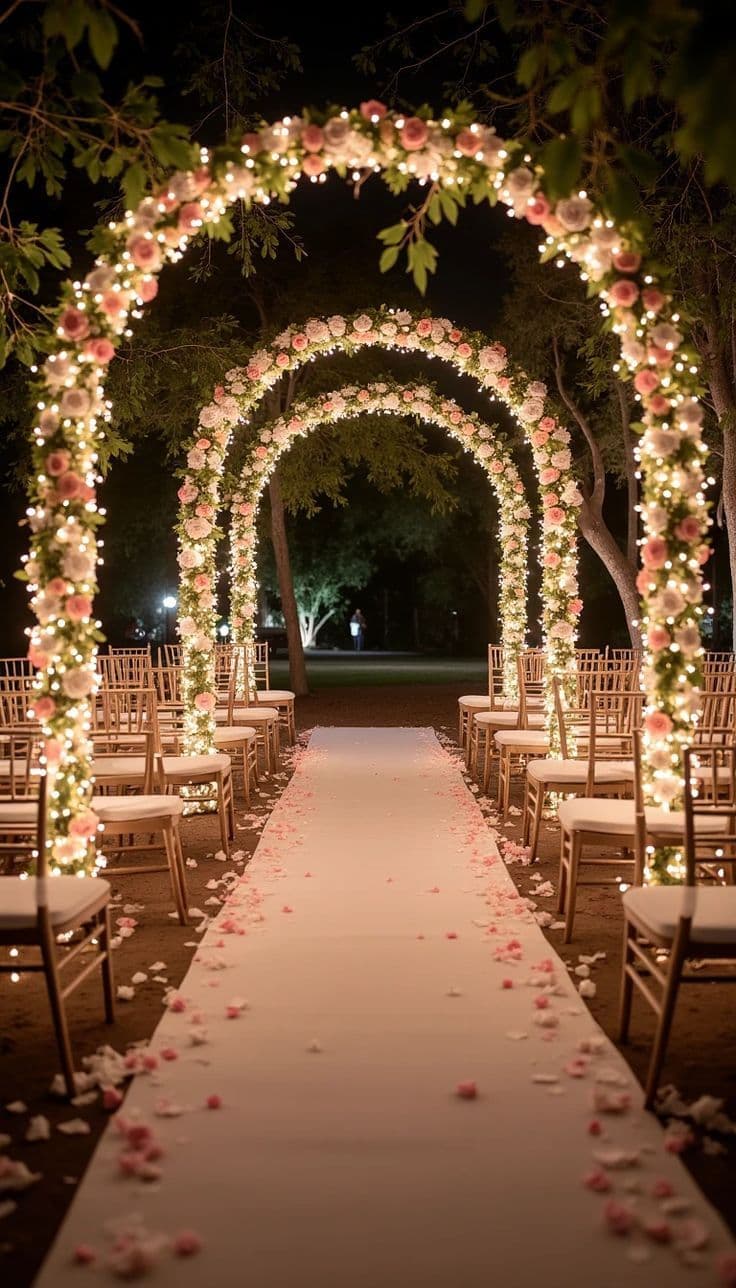
You walk into the venue and the light is doing that thing through the big windows. The coordinator is lovely. There's a string quartet playing somewhere in your head already. You leave the tour half in love and ready to put down a deposit.
then you sign the contract, and the real questions show up.
exclusive caterers that add $40-80 per head. overtime charges of $500-1,500 per hour. a two-hour setup window your florist can't actually work in. a $2,000 indoor backup flip fee when it rains. a noise curfew that ends the party before you're ready.
here's the thing: none of these are buried in the fine print to trick you. they're just the details no one thinks to ask until after the deposit clears. five questions on the tour, before you sign, can save you from a very expensive surprise the week of. let's go through them.
01. is the caterer exclusive, and what does that actually cost?
a lot of venues require you to use their in-house catering or pick from an approved list. that sounds convenient, and sometimes it is. but "exclusive" is a pricing lever, not a courtesy.
an in-house-only requirement can add $40-80 per head compared to bringing in an outside vendor. on a 120-guest wedding, that gap looks like this:
- at $40 more per head: $4,800 in additional cost
- at $60 more per head: $7,200 in additional cost
- at $80 more per head: $9,600 in additional cost
that's not a rounding error. that's a honeymoon, or your entire photography budget, or the difference between the band and the DJ you settled for.
ask it plainly on the tour:
- are we required to use your in-house catering, or is there an approved vendor list?
- if there's a list, is there a fee to bring in a caterer who isn't on it?
- what's the per-head range for the food and service level we'd actually want?
if the answer is "in-house only," that's not automatically a dealbreaker. just price it as part of the venue cost, because that's what it is. a $6,000 site fee with mandatory $90/head catering is a very different number than the one on the brochure.
02. what's the overtime rate, and when does the clock start?
most venues charge $500-1,500 per hour past your contracted end time. weddings run long. the toasts go sideways, dinner serves late, nobody wants to leave the dance floor. one extra hour at the high end is $1,500 you didn't budget, decided at 10:45pm when you're least equipped to negotiate.
before you sign, get clear on:
- what is the overtime rate per hour, in writing?
- what time does the venue consider the official "end," and does cleanup count against your window?
- who makes the call to extend, and how is it billed?
that last one matters. if your coordinator can wave the band on for "just one more" and it lands as a $1,200 line item on your final invoice, you want to know the rule before the night, not after. build your real timeline backward from the contracted end time, not from when you hope the party stops.
03. how long is the setup window, really?
some venues give you a two-hour setup window. that sounds generous until you ask your florist. florists alone need 4-6 hours for anything beyond simple centerpieces. add in rentals, lighting, a band load-in, and a two-hour window becomes a logistics emergency.
a too-short window costs you in three ways:
- your florist scales down the design (or charges a rush premium) to fit the time
- you pay for an early-access add-on, often several hundred dollars, to get in sooner
- vendors stack on top of each other and something gets cut or done badly
ask directly:
- what time can vendors access the space, and is there a fee for earlier access?
- is there an event before mine on the same day?
- when does everything have to be out, and does teardown eat into my rented hours?
then text your florist or planner the actual window before you sign. if it doesn't work, you want that conversation now, while you still have leverage.
the back-to-back booking trap
if the venue runs a wedding the morning of yours, your setup window is whatever's left after they flip the room. that's how a "full-day rental" quietly becomes a four-hour scramble. ask whether you have the space exclusively for the day or you're sharing the calendar.
04. if it rains, what does the backup plan cost?
outdoor venues are gorgeous and they come with weather. the question isn't "is there a backup?" it's "what does the backup cost, and who decides when to use it?"
outdoor venues may charge $2,000 or more to flip to an indoor backup. and the flip often has to be called hours ahead, before the sky has actually committed to anything. you can end up paying $2,000 for a tent or a room swap on a day that turns out sunny, simply because the venue needed the decision by noon.
get these answers in writing:
- is there a true indoor backup, or is it a tent we'd rent separately?
- what does the flip cost, and is it ever waived?
- how many hours out does the call have to be made, and who makes it?
a venue that says "oh, we'd just move you inside, no problem" is giving you a vibe, not a clause. ask for the number. if there isn't one, ask them to write "no additional charge for indoor backup" into the contract. weather is the one variable you absolutely cannot control, so make the cost of it boring and predictable.
05. what's the noise curfew, and does your band know?
live bands frequently get cut at 9 or 10pm because of a venue or municipal noise curfew. you find this out after you've booked a band that bills for a four-hour set ending at 11. now you're paying for music you legally can't play, and your reception ends earlier than anyone planned.
before you sign the venue, and definitely before you book entertainment:
- is there a noise curfew, and is it the venue's rule or the city's?
- does it apply differently to amplified music versus a DJ?
- can we do a quieter after-party on-site, or does everything stop?
know the curfew before you book the band. then build your timeline so the big moments (first dance, the energy peak, the send-off) land inside the loud window, not after it.
red flags to watch for on the tour
a few signals that the contract conversation is going to be harder than the tour:
- vague answers to direct cost questions ("don't worry, we'll take care of you" with no number)
- fees that only appear verbally and never make it into the written contract
- a coordinator who can't tell you whether another event is booked the same day
- pricing that's quoted "starting at" with no clear path to what you'd actually pay
- pressure to sign today to "hold the date," with a deposit that's fully non-refundable
none of these mean the venue is dishonest. they usually just mean the person giving the tour is in sales, not operations. your job is to turn every friendly reassurance into a written line. if it's real, they'll put it in the contract.
quick recap: ask these before you sign
- exclusive caterer: in-house only can add $40-80 per head versus outside vendors. price it as part of the venue cost.
- overtime rate: most venues charge $500-1,500 per hour past the contracted end. get the rate and the start time in writing.
- setup window: two hours isn't enough when florists alone need 4-6. confirm vendor access and any early-access fee.
- rain clause: outdoor venues may charge $2,000+ to flip to an indoor backup. get the cost and the decision deadline.
- noise curfew: bands often cut at 9 or 10pm. know the curfew before you book the band.
the venue tour is the fun part, and it should be. just bring these five questions with you so the contract doesn't bring surprises later. if you want help spotting the rest, you can paste your venue contract into Altared free and it flags the clauses that cost couples the most. start at /get-started, or read more on what to watch for in venue contracts before you sign anything.
Frequently asked questions
- What questions should I ask a wedding venue before signing the contract?
- Focus on the five that cost couples the most: whether the caterer is exclusive (in-house only can add $40-80 per head), the overtime rate (often $500-1,500 per hour past your end time), the real setup window (florists alone need 4-6 hours, not the two some venues give), the rain backup cost (outdoor venues may charge $2,000+ to flip indoors), and the noise curfew (bands often get cut at 9 or 10pm). Get every answer in writing before your deposit clears.
- How much does a venue's exclusive caterer requirement really add?
- An in-house or exclusive catering requirement can add roughly $40-80 per head compared to using an outside vendor. On a 120-guest wedding, that ranges from about $4,800 to $9,600 in extra cost. It isn't automatically a bad deal, but you should price the mandatory catering as part of the venue's true cost rather than treating the site fee as the whole number. Always ask for the per-head range at the service level you'd actually choose.
- Why is a two-hour venue setup window a problem?
- Florists alone typically need 4-6 hours to install anything beyond simple centerpieces, and that's before rentals, lighting, and band load-in. A two-hour window forces your florist to scale down the design, charge a rush fee, or pay for early access. It also creates traffic jams when vendors stack on top of each other. Ask when vendors can access the space, whether another event is booked the same day, and confirm the window with your planner before signing.
- What is a rain or backup flip fee at outdoor venues?
- Many outdoor venues charge $2,000 or more to move your wedding to an indoor backup space when weather turns. The catch is that the call often has to be made hours ahead, so you can pay the fee on a day that ends up sunny. Ask whether there's a true indoor backup or a separately rented tent, what the flip costs, whether it's ever waived, and how far in advance the decision must be made. Push to get a clear number written into the contract.
- How does a venue noise curfew affect my reception?
- Live bands frequently get cut at 9 or 10pm because of a venue or municipal noise curfew, which can mean paying for music you can't legally play. Find out the curfew before you book entertainment, whether it's the venue's rule or the city's, and whether it treats amplified music differently from a DJ. Then build your timeline so the first dance, the energy peak, and the send-off all happen inside the allowed window rather than after it.