3 Wedding Vendors You Can Safely Book Last (And Why)
Learn which wedding vendors you can book last, from florist to baker to hair and makeup, and how the right vendor booking order saves you real money in fees.
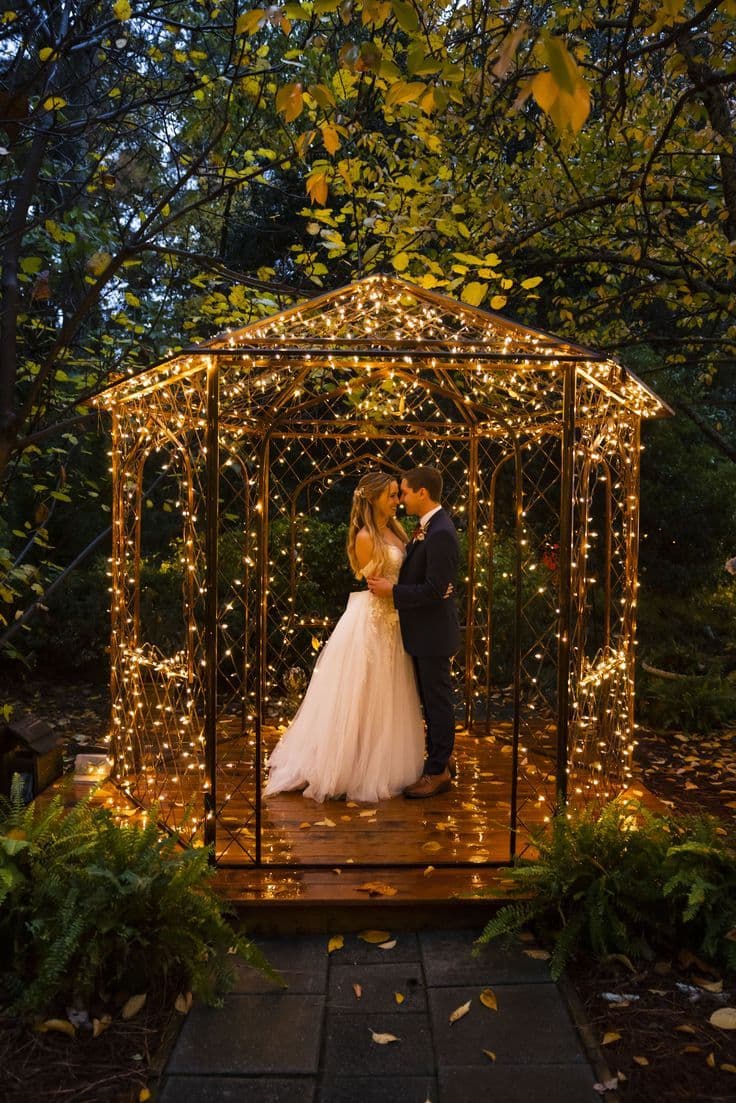
You got engaged on a Saturday. By Wednesday you had a spreadsheet with eleven tabs, three florist consultations on the calendar, a cake tasting booked for the following weekend, and no venue.
This is the booking spiral, and almost everyone does some version of it. The engagement adrenaline is real and the easiest way to channel it is to start emailing vendors. The problem is that the vendors easiest to email back are usually the ones you should be talking to last, and talking to them early does not just waste your Saturdays. It costs money.
not every vendor needs to be booked the day after you get engaged. your venue, photographer, and caterer, yes, those go first. but your florist, baker, and hair and makeup team can wait, and waiting on them actually works in your favor.
Here is what waiting actually buys you, vendor by vendor.
why booking order matters more than booking speed
Most wedding advice treats urgency as the only variable. Book early, book fast, the good ones go quick. That is true for a specific and short list of vendors: your venue (which sets the date), your photographer (who is booking one wedding per day and often books twelve to eighteen months out), and your caterer (frequently tied to the venue anyway).
Everything after that is a different category. Florists, bakers, and glam teams can usually take multiple clients per weekend or serve a wider radius. Their calendars fill, but not in the same brutal way. What actually determines your experience with them is how much information you can hand them on day one.
And that is the whole argument. These vendors quote based on details. If the details are not settled, you are either getting a placeholder number that will change, or you are paying them to redo work when it does.
when your palette is set before you meet with a florist, you skip the re-consultation fees and the revised proposal cycle. when your venue date is confirmed before you call a glam team, there is no contract amendment when the date shifts. these are real line items that disappear when the booking order is right.
01. your florist
booking 4-6 months out is plenty, and gives you time to lock your palette first.
Florists price from a proposal, and the proposal is built from your color story, your venue's dimensions and light, your ceremony structure, and your guest count. Change any of those and the proposal changes with it.
Here is where it gets expensive. Many florists build a consultation and a single revision into their base process, then charge for the next round. Some bill a flat re-consultation fee. Others fold it into a design retainer that goes up when the scope resets. If you book in month one with a Pinterest board full of dusty blue and then land on terracotta after you see the venue in person, you are not making a small adjustment. You are asking for a new proposal.
Consider the math. Say you book a florist eleven months out, pay a $500 design retainer, and then shift your palette and swap your ceremony from an arch to two pillar arrangements. A $150 re-consultation fee plus a revised proposal cycle, plus the stem substitutions that come with a new color direction, and you have spent real money to arrive at a design you could have ordered correctly the first time by waiting four months.
what you want locked before your first florist meeting
- Your venue, including whether the ceremony and reception are in the same space
- Your date, because seasonality drives what is available and what it costs
- Your palette, down to two or three actual colors, not a mood
- Your approximate guest count, which determines centerpiece quantity
- Your bridal party size, which determines bouquets and boutonnieres
With those five things in hand, a florist can give you a quote that holds. Without them, you are getting an estimate, and estimates move in one direction.
02. your baker
3-4 months out works for most markets, and fewer tastings means fewer add-on costs.
Cake is the vendor couples most often over-shop. It is fun, it is free food, and it feels productive. But tastings are a cost center, not a perk, at a surprising number of bakeries.
The common structures: a tasting fee of $50 to $100 that is credited back if you book, a flat non-refundable tasting fee, or a free initial tasting with charges for every subsequent box. If you start tasting nine months out, decide nothing, and come back twice because your flavors shifted with your season or your design changed with your palette (again, palette), you can easily spend $200 to $300 on cake you did not order.
The other thing that happens with early booking: design drift. You pick a cake in February for an October wedding, then see your linens, your florals, and your venue lighting in July, and suddenly the fondant finish you chose does not match anything. Design changes after a signed contract are usually billable, especially if they change the labor (sugar flowers, hand-painting, extra tiers for a guest count that grew).
Three to four months out, your palette is set, your guest count is close to final, and you can walk into one tasting and book from it. One tasting, one contract, one design.
a note on guest count
Cake and dessert are quoted per serving. If you book at ten months with an estimated 120 guests and come in at 165, you are not just paying for 45 more servings. You may be paying for an additional tier, which can change the structure and the price per serving. Booking closer to your RSVP deadline means you are quoting against a number that is actually real.
03. hair and makeup
waiting until your venue is booked locks your date, and saves a contract revision fee.
This is the one couples underestimate most, because glam feels like a small line item and the contracts feel casual. They are not casual. Hair and makeup contracts are date-specific and artist-specific, and they are some of the most rigid in the vendor stack.
Here is the sequence that costs people money. You get engaged, you fall in love with an artist on Instagram, you put down a $200 deposit to hold "September 20th-ish." Then your venue comes back and the only Saturday they have in your price tier is October 4th. Now you need a date change. Depending on the contract, that is a contract amendment fee, a forfeited deposit if the artist is already booked on the new date, or a re-signed agreement at the following year's rates.
Multiply that by a team. If you booked a lead artist plus two assistants for a bridal party of eight, a date shift can mean three separate amendments or three separate re-bookings.
There is a second reason to wait: your getting-ready location and timeline drive the quote. Travel fees, early-start fees (many artists charge extra for a start before 6 or 7am), and the number of people getting serviced all change the number. Those details do not exist until your venue and ceremony time exist.
Hair and makeup teams do book out, particularly in peak season, so this is not an argument for waiting until the last month. It is an argument for waiting until your date is confirmed in writing by your venue. For most couples that is still six to eight months of runway, which is plenty.
red flags to watch for
Not every vendor who wants you to book early is doing something wrong. Plenty are just busy. But some patterns deserve a pause.
- "This price is only good if you sign today." Legitimate vendors hold quotes for a stated window, usually 14 to 30 days. Artificial urgency on a non-date-specific service is a sales tactic.
- A deposit request before you have a venue or a date. Any vendor willing to take your money for a date you have not confirmed should be telling you to wait. The good ones do.
- No written policy on revisions. Ask directly: what happens if my palette changes, my guest count changes, or my date moves? If the answer is vague, it will be expensive later.
- Tasting or consultation fees that are not disclosed upfront. These should be in the inquiry response, not discovered at checkout.
- Contracts without a named amendment fee. "Changes subject to additional charges" is not a number. Get the number.
- A proposal that does not list quantities. If your florist quote says "ceremony florals, $2,400" with no stem counts or arrangement breakdown, you cannot compare it to anything, and you cannot tell what you lose if you cut it.
the actual order of operations
- Venue first. It sets your date, your guest cap, and half your aesthetic.
- Photographer second. Single-event bookings, longest lead times, hardest to replace.
- Caterer third, unless it is bundled with the venue, in which case it is already done.
- Band or DJ, which is also date-locked and books out, especially for peak Saturdays.
- Florist at 4 to 6 months, once your palette and guest count are real.
- Baker at 3 to 4 months, once you can book from a single tasting.
- Hair and makeup once your venue date is confirmed in writing, not before.
what to do this week
- Pause any florist, baker, or glam consultations you booked before you had a venue. Reschedule, do not cancel.
- Write down your actual palette (two or three colors) and your estimated guest count. Those two numbers unlock half this list.
- Ask every vendor you are already talking to for their revision and amendment policy in writing, with a dollar figure.
- Put every quote in one place so you can compare line items, not totals.
- Set a reminder at the 6-month and 4-month marks instead of booking everything now.
Save this for when you are staring at your vendor spreadsheet trying to figure out what comes next. Then send it to the friend who just got engaged and is booking everything at once.
You can add your quotes free at Altared and see the full order of operations before you commit to anything, with every booking and balance in one place. For more on where the money actually goes, the hidden costs and contracts archives are a good next stop.
Frequently asked questions
- When should I book my wedding florist?
- Four to six months out is plenty for most markets, and that timing works in your favor. Florists quote from a proposal built on your palette, venue, guest count, and ceremony structure. If you book before those are settled, you are likely to trigger a re-consultation fee and a revised proposal cycle when things change. Waiting until your colors are locked means you get one proposal that actually holds. If you are getting married in peak season or want a specific in-demand designer, reach out earlier to check availability, but hold off on signing and paying a design retainer until your details are real.
- Is it risky to wait to book my wedding cake baker?
- Three to four months out works for most markets. The risk of waiting is availability on peak Saturdays, which you can check with a quick email long before you book. The risk of not waiting is bigger: multiple tastings at $50 to $100 each, design changes billed after the contract is signed, and a guest count estimate that turns out to be 45 people off. Cake is priced per serving, so booking closer to your RSVP deadline means you are quoting against a real number instead of an optimistic one. One tasting, one contract, one design.
- What is a contract amendment fee for hair and makeup?
- It is a charge for changing a signed, date-specific agreement, most commonly when your wedding date moves. Hair and makeup contracts lock an artist to a specific day, so a shift means re-papering the agreement, and sometimes forfeiting your deposit entirely if the artist is already booked on your new date. If you booked a lead plus two assistants, a date change can mean three separate amendments. This is why you wait until your venue has confirmed your date in writing. Before you sign anything, ask for the amendment fee as an actual dollar figure, not a vague clause.
- Which wedding vendors do I actually need to book first?
- Your venue, photographer, and caterer. The venue sets your date, your guest cap, and a lot of your aesthetic, so nothing downstream can be finalized without it. Photographers book one wedding per day and often fill up twelve to eighteen months out, which makes them genuinely time-sensitive. Caterers are frequently tied to the venue, so that may be handled for you. Band or DJ belongs in this early tier too, since they are also date-locked and peak Saturdays go fast. Everything else, including florals, cake, and glam, prices better once those four are locked.
- How do I compare vendor quotes if they are all formatted differently?
- Insist on line items with quantities. A florist proposal that says "ceremony florals, $2,400" with no stem counts or arrangement breakdown cannot be compared to anything, and you will not know what you lose if you trim it. Ask every vendor for quantities, what is included versus add-on, delivery and travel fees, and their written revision policy with a dollar amount attached. Then put every quote in one place so you are comparing line items rather than bottom-line totals. You can add your quotes free at Altared and keep every booking and balance together while you decide.