6 Wedding-Day Moves That Quietly Save You Hundreds
Six wedding-day moves that quietly save hundreds, from bar cutoffs to vendor meal clauses. Real dollar ranges, no cutting anything that shows up in photos.
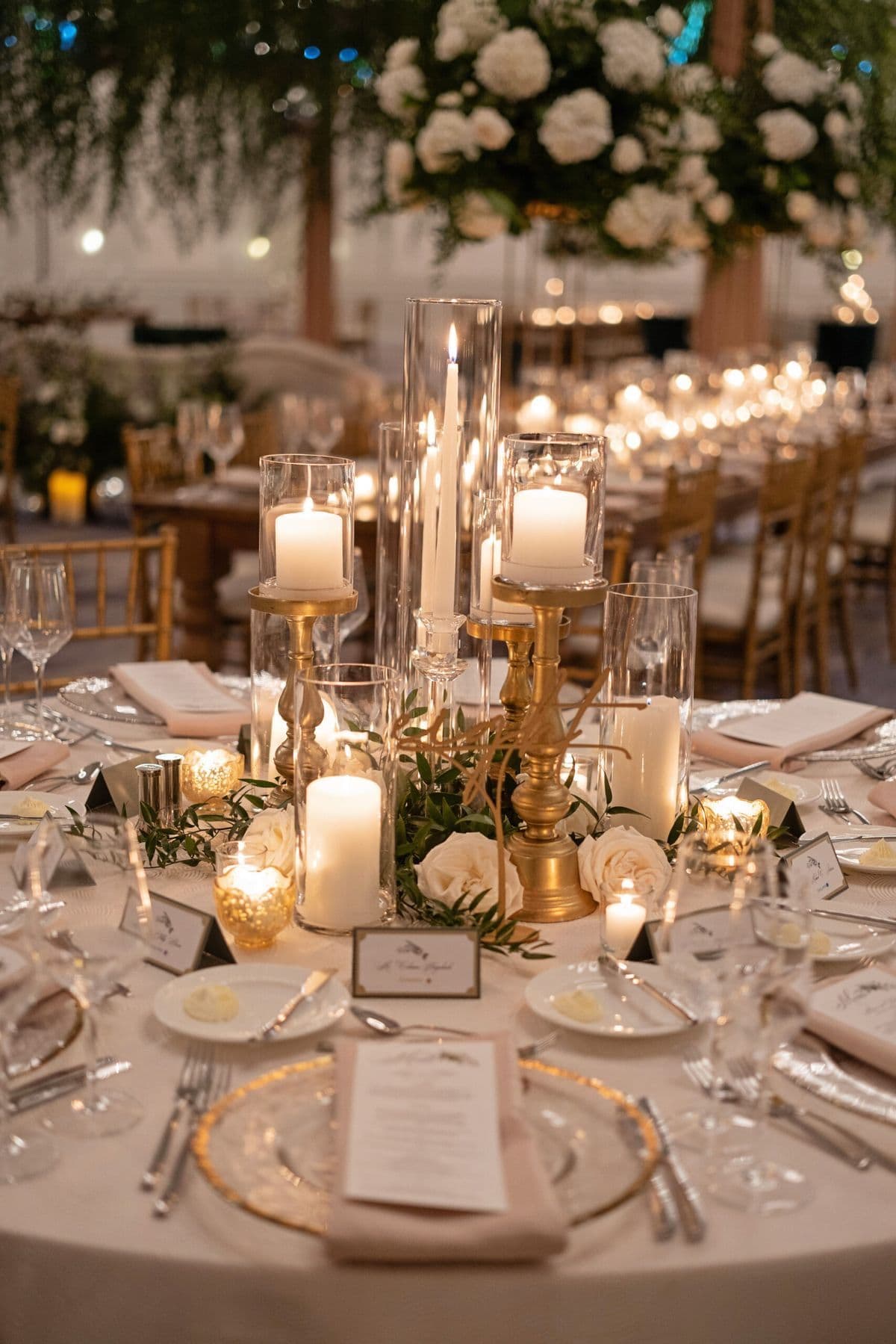
Picture the last hour of your reception. The dance floor has thinned to a loyal dozen. Your photographer is quietly shooting the same string lights they shot two hours ago. The bar is still fully staffed, still pouring. And somewhere in the back, a clock is running that nobody at your table is watching. That clock costs money. Real money, the kind that shows up on an invoice a week later when you have no leverage left to argue.
Most couples think the budget battle happens at booking, or at the contract signing. It doesn't end there. A huge chunk of overspending happens on the actual day, in line items you agreed to months ago and forgot about. The good news: none of the six moves below require cutting anything that shows up in photos. They just require knowing the line items before the day arrives.
the moves that pay for themselves
Here they are in order, each with the number attached. Save this list, then check it against your own quotes.
-
Bar cutoff. Close the bar 45 minutes before the night ends and save $300 to $500. Guests rarely notice, because the last stretch of a reception is dancing and goodbyes, not fresh cocktails. Switch to water and coffee service for the final push. The bartender labor and the alcohol you don't pour both come off the total.
-
Tip envelopes. Cash tips average $50 to $200 per vendor, and that adds up fast when you have six or seven vendors. The trap is double-tipping: you hand a gratuity at the door on the day, then discover a service charge already covered it in the contract. Prepacking labeled envelopes in advance, with the amounts you actually decided on, stops the day-of scramble that leads to paying twice.
-
Floral repurpose. Moving ceremony florals to reception tables cuts a $400 to $800 duplicate order. Your ceremony arrangements sit untouched for maybe 30 minutes and then get abandoned. Instead, assign someone (or your florist, written into the contract) to relocate the altar pieces, aisle arrangements, and arch flowers to head tables and centerpieces during cocktail hour.
-
Hard end time. One overtime hour runs $500 to $1,500 across your venue, DJ, and photographer combined. This is the single biggest silent charge on this list, because overtime stacks. It isn't one fee, it's three or four vendors all billing their overage rate at once for the same extra 60 minutes.
-
Dessert swap. A small display cake plus sheet cakes cut in the back saves $3 to $6 per slice on 100-plus guests. A tiered showpiece cake is priced per serving, and those per-serving prices climb fast at scale. Nobody photographs slice number 84.
-
Vendor meals. Negotiate a vendor meal clause at $25 to $35 per head instead of paying the full guest-plate price for your photographer, DJ, and their assistants. Caterers will quote you the plated guest rate by default. You don't have to accept it.
Now the detail on the ones that trip people up most.
overtime is the one that stacks
Let's stay on the hard end time, because it's the move that saves the most and the one couples resist the hardest. The instinct is to keep the party alive "just a little longer." Understandable. But look at what one extra hour actually triggers.
Your venue charges an overtime rate. Your DJ charges an overtime rate. Your photographer charges an overtime rate. Sometimes your coordinator and your rental company do too. That's why a single overtime hour lands anywhere from $500 to $1,500 combined. You aren't paying for one thing, you're paying every vendor still on the clock at the same time.
how to hold the line
The fix is boring and it works: pick a hard end time, put it in every vendor contract, and build your timeline so the big moments land before it. Last song at, say, 10:45 for an 11:00 close. Tell your coordinator the end time is firm. If you genuinely might want to run long, negotiate the overtime rate now, in writing, before you have any bargaining power on the day. A rate you agreed to in advance is always cheaper than one you agree to at 11:15 with a live band mid-song.
For more on the fees that hide in the fine print, our contracts posts break down what to negotiate before you sign.
the flowers you already paid for
Floral repurposing is the move that feels almost too easy. You are paying a florist for ceremony arrangements that, in the current default plan, get used for the length of your ceremony and then sit in a hallway until teardown. Meanwhile you may be ordering a whole second round of florals for the reception tables.
That duplicate order is the $400 to $800 you don't need to spend. The altar or arch flowers become your sweetheart table backdrop. Aisle markers become centerpieces or bathroom accents. Pew arrangements move to the bar or the gift table.
The catch is logistics. Someone has to physically move them, fast, during cocktail hour, and they need to know which piece goes where. So write it into the floral contract. Ask specifically: does the quote include a repurposing service, and if so, at what cost? If the answer is a flat fee like $150, and it saves you a $600 second order, that's still a clear win. If your florist won't do it, assign a trusted friend or your coordinator a simple written diagram.
small kitchen moves, real money
Two of these six happen in and around the catering kitchen, and they're the easiest to overlook because they feel too small to matter. They aren't.
the display cake trick
Tiered cakes are priced per serving. On a guest count over 100, at $3 to $6 per slice, you are paying a premium for the decoration on every single serving, even the ones served from the back where no guest ever sees the frosting work. So you order a small, beautiful display cake for the photos and the cutting moment, and plain sheet cakes of the same flavor waiting in the kitchen. Guests get an identical slice. You get the exact same photos. The savings show up because you're only paying showpiece pricing on the tier you actually display.
vendor meals
Somewhere in your catering quote is a line for feeding your working vendors, your photographer, videographer, DJ, and their assistants. If the caterer defaults to charging the full guest-plate price for each of them, that's money you can claw back. Many caterers offer a reduced vendor meal at $25 to $35 per head. On six working vendors, the gap between a full plate and a vendor meal is easily a couple hundred dollars. Ask for a vendor meal clause in the catering contract. And confirm your vendor contracts require you to feed them (most do) so you know exactly how many meals you're on the hook for.
red flags to watch for in your quotes
Before you assume any of this is handled, read the actual language on your invoices. Here's what to watch for.
- "Gratuity included" plus a tip line. If a service charge or gratuity is already baked into a contract, tipping again at the door means you paid twice. Confirm which vendors are already covered before you stuff those envelopes.
- Bar packages billed by consumption with no cutoff. If you're paying per drink or per bar-hour and no one names a cutoff time, expect the meter to run until the very last guest leaves.
- Vendor meals quoted at guest-plate price. Look for a line like "vendor meals: $X, same as guest count." That's your cue to ask for the reduced rate.
- No end time in the contract, or a vague one. "Approximately 4 hours" is not a hard end time. Overtime rates thrive in that fog.
- Two separate floral line items for ceremony and reception with no mention of repurposing. That's often a duplicate you can collapse into one.
- A "cake cutting fee" on top of per-slice pricing. Some venues charge to cut and serve. Factor it in when you compare a display-plus-sheet setup against a full tiered cake.
The theme across all of these: the charge is legal, disclosed, and completely normal. It's just not flagged for you. Nobody at the venue is going to volunteer that you could shave an hour off the bar. That part is on you, and it's entirely doable if you read the line items early.
do this before you finalize anything
None of these six require sacrificing a single thing your guests will remember or your photos will show. They require reading your quotes line by line, before the day, while you still have leverage.
- Close the bar 45 minutes early and save $300 to $500.
- Prepack labeled tip envelopes so you don't double-tip at the door ($50 to $200 per vendor).
- Repurpose ceremony florals onto reception tables and skip a $400 to $800 duplicate order.
- Set a hard end time in every contract so overtime doesn't stack ($500 to $1,500 per hour).
- Display a small cake, serve sheet cakes from the back, and save $3 to $6 per slice on 100-plus guests.
- Negotiate a vendor meal clause at $25 to $35 per head instead of full guest-plate price.
Want to know which of these are already hiding in your own vendor quotes? Get started and drop a quote in to see exactly what you're being charged, line by line. Then tag the friend who just got engaged, because they're about to overpay for all six.
Frequently asked questions
- Won't guests notice if I close the bar 45 minutes early?
- Rarely. The final stretch of a reception is dancing, last songs, and goodbyes, not fresh rounds of cocktails. Switching to water and coffee service for the last 45 minutes lets guests wind down naturally while you stop paying for both alcohol and bartender labor. It's one of the least noticeable cuts you can make, and it saves $300 to $500. If you're worried, keep beer and wine flowing while closing the full cocktail bar, which still trims the total meaningfully.
- How do I avoid double-tipping vendors on the wedding day?
- Read your contracts first. Many vendors already include a service charge or gratuity in the signed price, so handing cash at the door means paying twice. Make a list of who is already covered and who genuinely expects a cash tip, then prepack labeled envelopes in advance with the exact amounts you decided on. Cash tips average $50 to $200 per vendor, so across six or seven vendors, avoiding duplicates and impulsive day-of decisions can save you a few hundred dollars.
- Is a hard end time really worth enforcing?
- Yes, because overtime stacks. One extra hour doesn't trigger a single fee, it triggers overtime rates from your venue, DJ, and photographer all at once, which lands anywhere from $500 to $1,500 combined. Set a firm end time, write it into every vendor contract, and build your timeline so the big moments finish before it. If you think you might run long, negotiate the overtime rate in advance, in writing, while you still have leverage. A rate agreed at booking is always cheaper than one agreed at 11:15 pm.
- Do display cakes and sheet cakes look cheap?
- Not at all. Guests never see how their slice was cut or where it came from. You order a small, beautiful display cake for photos and the cutting moment, then serve plain sheet cakes of the same flavor from the kitchen. Everyone gets an identical slice and your photos are unchanged. Since tiered cakes are priced per serving, you save $3 to $6 per slice on a guest count over 100 by only paying showpiece pricing on the tier you actually display. Check whether your venue adds a cake cutting fee when you compare options.