Exactly How Much to Tip Every Wedding Vendor in 2026
Exactly how much to tip every wedding vendor in 2026, with real dollar amounts for photographers, catering, DJs, hair and makeup, officiants, and venue staff.
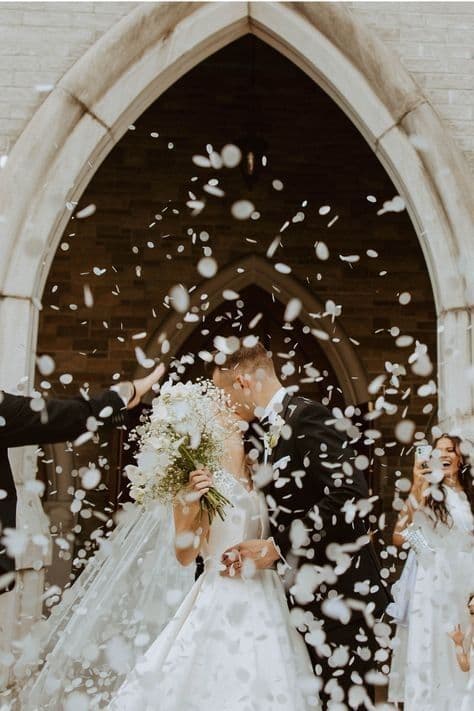
It's 10:45pm at the reception. The band just played the last song, your DJ is coiling cables, and the catering captain is standing near the exit waiting to say goodnight. Everyone did their job beautifully. And you're realizing, in a slightly panicked way, that you have exactly zero cash on you and no idea who's supposed to get what.
This is the moment nobody warns you about. Tipping your wedding vendors is one of those things that stays invisible right up until the day, when it's suddenly urgent and you're the one holding no envelopes. So here are the real numbers for 2026, vendor by vendor, plus the one thing that saves you the most money: checking what's already written into your contracts before you pay a cent extra.
Why tipping is confusing (and how to un-confuse it)
The reason tipping feels murky is that wedding vendors fall into two buckets, and they look identical on the day.
The first bucket is people whose gratuity is often already baked into your contract. Catering is the classic example. Many catering agreements include a mandatory service charge or "gratuity" line, sometimes 18-22% of the food and beverage total. If that's the case, you are not obligated to tip those servers again on top of it.
The second bucket is people who almost never have gratuity written in: your photographer, your DJ, your hair and makeup artists. For them, a tip is a genuine extra, and it's optional, though appreciated for great work.
The difference between those two buckets is worth hundreds of dollars. Read every contract line that says "service fee," "administrative fee," or "gratuity," and figure out which of your vendors already got taken care of. If you're not sure how to tell a service fee from an actual tip, that's exactly the kind of thing our guides on wedding contracts walk through line by line.
Now, the numbers.
The six vendors and what to hand each one
01. Photographer (and second shooter)
Plan on $50 to $200 per person on the photo team. The key word is per person. Your second shooter is doing their own long day, hauling their own gear, and they get their own envelope, separate from the lead photographer. Two envelopes, not one split in half.
If your photographer owns the studio and is the person you signed with directly, a tip is optional and reads as a thank-you for going above and beyond. If they employ associate shooters, tipping is more expected because those shooters are on salary or a day rate.
02. Catering staff
Here's where you read the contract first. Catering staff typically get $20 to $50 per server, per event, but gratuity is often already buried in the agreement as a mandatory service charge. If it is, you're done. If it isn't, that per-server range is your guide, and you usually hand a lump sum to the captain or coordinator to distribute.
A quick example of how much this matters: say you have 8 servers and a bartender at a 120-guest reception. Tipping at $35 each on top of a contract that already included an 20% gratuity would mean paying that team twice, potentially $300-plus you didn't owe. That's the whole reason to check the paperwork before the day.
03. DJ or band
Your DJ gets $50 to $150. Band members get $25 to $50 each. And you tip at the end of the night, not before. Handing it over at the start is a nice thought, but it removes the natural moment and can feel awkward if the night runs long or something changes.
For a band, that per-member number adds up, so budget for the full lineup:
- Confirm your band's headcount (a 6-piece is very different from a 3-piece).
- Multiply by your chosen per-member amount ($25-$50).
- Put it in one envelope for the bandleader to split, or individual envelopes if you want to be precise.
- Hand it off at the last set, or have your coordinator or a trusted family member do it.
04. Hair and makeup
This is the one people underestimate. Hair and makeup artists expect 15 to 20% of the service total, per artist, in cash, in hand, before they pack up and leave. Same math you'd use at a salon, applied to a bigger bill.
Because you're often paying for the whole bridal party (yourself plus attendants, sometimes mothers), the service total can be substantial. If your combined hair and makeup bill lands at $1,000 and there are two artists working, you're looking at roughly $150 to $200 in tips split between them. Have that cash ready in the getting-ready room, because these are usually the first vendors to finish and the first to leave.
05. Officiant
If your officiant is a hired professional, $50 to $100 is the range. If your officiant is a friend, a family member, or a religious leader you already have a relationship with, you generally skip the cash tip. For a religious officiant, a donation to their house of worship is the customary gesture instead, and the amount there is a personal decision based on your community's norms.
The distinction is simple: are you paying this person a fee to marry you, or are they doing you a personal honor? Pros get tipped. People who love you get a heartfelt gift and a thank-you, not an envelope.
06. Venue staff
The on-site venue coordinator, the person who actually runs your day at the location, typically gets $100 to $300 total. This is separate from any service fee you've already paid to the venue. That fee goes to the business. The tip goes to the human who kept your timeline on track and put out the small fires you never even heard about.
If your venue provided a larger staff (setup crew, bathroom attendants, valet), those roles have their own smaller tipping norms, but the coordinator is the one to prioritize.
Watch for these red flags
Before you pull cash out of the ATM, look out for the traps that make couples overpay or get caught off guard.
- Double-dipping gratuity. The biggest one. If your catering or venue contract already includes a mandatory service charge, you are usually not expected to tip those same staff again. Paying twice can quietly cost you $300 or more.
- "Service fee" disguised as a tip. A service fee is not always the same as gratuity, and sometimes it goes to the company, not the staff. If the contract isn't clear, ask the vendor directly, in writing, whether staff gratuity is included.
- No cash, no plan. ATMs at hotels have withdrawal limits and fees. Get your envelopes filled and labeled at least two days before the wedding, not the morning of.
- Tipping before the work is done. For DJs, bands, and coordinators, the end of the night is the moment. Tip early and you lose the natural handoff (and the leverage if something goes sideways).
- Forgetting the second shooter. They're easy to overlook because they're quieter on the day, but they earned their own envelope.
- Assuming friends want cash. A friend officiant or a relative doing your hair as a gift usually wants a thoughtful present, not a transaction.
Build your tip plan in one sitting
You don't need to memorize any of this. You need one afternoon, your contracts, and some labeled envelopes. Here's the order of operations that keeps it painless:
- Pull every vendor contract and highlight any line mentioning gratuity, service charge, or administrative fee.
- Sort your vendors into two lists: already tipped via contract, and needs cash on the day.
- Assign an amount to each "needs cash" vendor using the 2026 ranges above.
- Label an envelope per person (yes, per person for the photo team), with the vendor's name and role on the front.
- Hand off a delivery list to your coordinator, planner, or a reliable friend so you're not the one chasing people down at 11pm.
That's it. The whole system fits on one page, and it means the panic scene at the top of this post never happens to you.
If you want to skip the highlighter and the guessing, you can scan your vendor contracts free at altared.app to see what gratuity is already covered and what you'll actually owe on the day. For more of these no-fluff breakdowns, our etiquette guides cover the stuff nobody tells you until it's too late.
The quick version, save this one
- Photographer + second shooter: $50-$200 per person, separate envelopes.
- Catering staff: $20-$50 per server, but check the contract for gratuity first.
- DJ: $50-$150. Band: $25-$50 per member. Tip at the end of the night.
- Hair and makeup: 15-20% of the service total, per artist, cash before they leave.
- Officiant: $50-$100 if hired; skip for a friend or your own religious leader.
- Venue coordinator: $100-$300 total, separate from any service fee.
Some of these are already written into your contracts as mandatory gratuity. Some are optional. Knowing the difference before the day saves you hundreds. Save this, send it to the friend who just said yes, and go check what's already in your own contracts before you book anything else.
Frequently asked questions
- Do I have to tip vendors if gratuity is already in the contract?
- Usually no. Many catering and venue contracts include a mandatory service charge or gratuity, often 18-22% of the food and beverage total. If that's the case, you're generally not expected to tip those same staff again on top of it. The catch is that a 'service fee' isn't always the same as a staff tip, and sometimes it goes to the business rather than the workers. Read every contract line mentioning gratuity, service charge, or administrative fee, and if it's unclear, ask the vendor directly in writing whether staff gratuity is included.
- How much should I tip my wedding photographer in 2026?
- Plan on $50 to $200 per person on the photo team. The important part is 'per person.' If you have a lead photographer and a second shooter, each one gets their own envelope, not a single tip split between them. A tip is optional if your photographer owns the studio and you signed with them directly, but it's more expected when they employ associate or second shooters who work on a day rate. Great work above and beyond is the usual reason couples tip photographers generously.
- When am I supposed to hand out wedding tips?
- Timing depends on the vendor. Hair and makeup artists should be tipped in cash before they pack up and leave, since they're usually the first vendors done. Your DJ, band, and venue coordinator get tipped at the end of the night, not before, so the handoff feels natural and you keep some leverage if the night runs long. The easiest system is to fill and label an envelope per person a couple days ahead, then give a delivery list to your coordinator or a trusted friend so you're not chasing people down yourself.
- Should I tip a friend or religious leader who officiates my wedding?
- Generally no cash tip. If your officiant is a hired professional, $50 to $100 is the standard range. But if they're a friend, a family member, or a religious leader you already know, you skip the cash and offer something else instead. For a religious officiant, a donation to their house of worship is the customary gesture. For a friend doing you the honor, a heartfelt gift and a genuine thank-you is more appropriate than an envelope.
- How much do I tip catering staff and the venue coordinator?
- Catering staff typically get $20 to $50 per server, per event, but only if gratuity isn't already in your contract. Check that first, because it's often included as a mandatory service charge. The on-site venue coordinator, the person who actually runs your day, usually gets $100 to $300 total, and that's separate from any service fee you already paid to the venue. The service fee goes to the business; the tip goes to the human who kept your timeline on track.