5 Wedding Upgrades That Aren't Worth the Markup
Five wedding upgrades that aren't worth the markup, from charger plates to vellum wraps, with real dollar figures so you can cut the line items that don't show up in your photos.
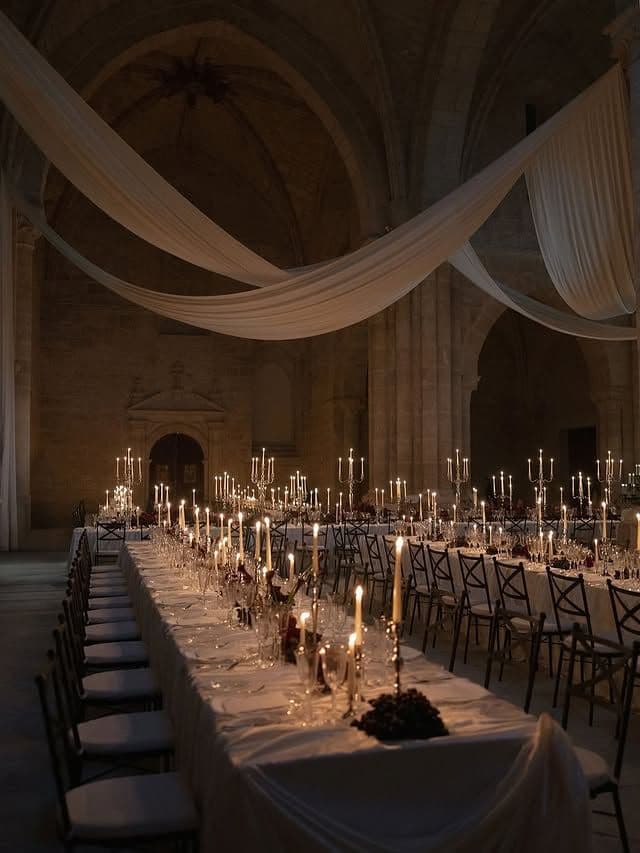
A caterer slides a quote across the table. It looks reasonable until you reach the second page, where a tidy column of "enhancements" adds another $1,400 to the total. Charger plates. Upgraded napkins. A petal toss for the recessional. None of it sounds unreasonable on its own. Each line is $200 here, $400 there. But stack them up and you have spent the cost of your photographer's second shooter on things that, when you actually picture your wedding day, you cannot quite see.
That is the trap with wedding upgrades. They are rarely scams. They are real products and real services, priced at a markup that hopes you will not stop to ask one question: does this show up in my photos, or only on my invoice?
Here are five upgrades that almost never earn their price tag, what they actually cost, and how to decide before you sign.
the upgrades that don't survive the day
Some line items disappear before your guests even notice they were there. These are the easiest cuts because nobody will miss them, including you.
01. charger plates
Charger plates are the large decorative plates your dinnerware sits on top of. They run $4 to $8 each to rent, and at a 120-guest wedding that is $480 to $960 for a detail that gets cleared the moment the entrée is served.
Here is the part nobody mentions at the tasting: chargers are removed before the meal. Their entire job is to look full and layered during the ten minutes between guests sitting down and the first course arriving. Then a server lifts each one and stacks it in the back. You are paying a per-head rental fee for a plate that is on the table for less time than your toasts.
If you love the layered look, a colored or textured napkin and a nice menu card give you most of the visual depth for a fraction of the cost. The charger is the upgrade you can drop first and never think about again.
04. upgraded linens
Premium linens are the classic "it's only a little more" upsell, usually pitched at roughly 2x the cost of the house linen. The pitch works because fabric photographs well in a styled flat-lay, and you have probably saved a dozen of those flat-lays to a Pinterest board.
The reality at a seated dinner is different. Once the table is set, your upgraded linen is covered by plates, chargers (if you kept them), glassware, flatware, menu cards, napkins, a centerpiece, and the elbows of eight guests. For the five hours that matter, your guests see the eight inches of fabric that drape over the table edge. That is it.
There is a smart version of this upgrade, and it is not "every table." If you want to spend on linens, put the premium fabric on the tables that are actually photographed up close: the sweetheart table, the cake table, the escort card display. House linens everywhere else. You get the editorial look in your photos without doubling the bill on 14 tables nobody will study.
the upgrades that buy you 30 to 45 minutes
The next group is not invisible. It is just brief, and the price has nothing to do with how long anyone enjoys it.
02. petal toss
A petal toss is genuinely beautiful. It is also one of the most lopsided cost-to-duration trades on any wedding quote. Vendors charge $300 to $600 for 30 seconds of fresh petals handed out, tossed, and swept up.
You are not paying for the petals. A few hundred real rose petals cost a fraction of that. You are paying for sourcing fresh florals timed to your exit, the labor to bag and distribute them, and the cleanup. Worth knowing: many venues ban fresh petals outright or charge a cleanup fee on top, so you can end up paying twice for confetti.
If the shot matters to you, and it is a great shot, there are cheaper paths to the exact same photo:
- Ask your florist whether petals can come from the flowers you have already paid for (leftover centerpiece blooms after the reception).
- Swap fresh petals for dried, which cost a fraction and photograph nearly identically.
- Use a smaller toss for just the immediate family in one staged take, instead of supplying 120 guests.
Any of these gets you the 30-second moment without the $600 line.
03. photo booth
A photo booth runs $800 to $1,500, and the uncomfortable truth from watching hundreds of receptions is that guests use it for about 45 minutes. There is a flurry right after dinner, a small second wave late in the night, and long stretches where it sits idle while everyone is on the dance floor where you actually want them.
This is not a "never" upgrade. It is a "know what you are buying" upgrade. If a photo booth is the entertainment for a crowd that does not dance, it can be worth every dollar. If you already have a band or DJ and a packed floor, you are paying $1,000-plus for an attraction that competes with the party you spent more money on.
Cheaper alternatives that get you the printed-keepsake feeling: a backdrop plus a few instant cameras left on a table, or a digital booth app on a tablet for a fraction of the rental. You lose the attendant and the props. You keep the silly photos.
the upgrade that gets opened once
05. vellum wrap
Vellum is the translucent paper wrap or overlay on an invitation suite. It costs $3 to $6 per invite, which sounds trivial until you multiply. At 100 invitations, that is $300 to $600 added to your stationery for a layer your guest opens once, registers for a second, and drops in the recycling.
Stationery is where "per piece" pricing quietly compounds. Vellum wraps, wax seals, ribbon, belly bands, envelope liners, and double envelopes each add a few dollars, and each one feels too small to cut on its own. Together they can add $5 to $12 per invitation, which is real money on a 120-guest list.
Your invitation does a lot of work, but almost none of it is on the day of the wedding. It sets a tone for a few seconds at the mailbox. Spend on the part that carries that tone (paper weight, a clean design, maybe one nice envelope liner) and skip the layers that get binned. For more on where stationery dollars actually earn their keep, the breakdowns in /blog/category/budgeting are a good place to start.
red flags to watch for in your quote
The upgrades above are predictable. The way they get sold is even more predictable. Watch for these moves the next time a vendor walks you through "enhancements."
- "It's only a few dollars more per person." Per-person pricing is designed to feel small. Always do the multiplication out loud. A "$6 upgrade" is $720 at 120 guests.
- Upgrades bundled into a package you can't itemize. If a quote says "premium tabletop enhancement, $1,800" with no line-by-line breakdown, ask for one. You cannot cut what you cannot see.
- Styled-shoot pressure. Vendors show you the flat-lay, the petal toss mid-air, the perfect booth strip. Those are the 30-second versions. Ask what it looks like at hour four.
- "Most of our couples add this." Maybe they do. That tells you about the upsell script, not about whether it is worth it for your day.
- Anything that gets removed, covered, or used briefly. If the answer to "how long is this actually visible or in use?" is measured in minutes, you have found a candidate to cut.
This is the core test, and it cuts through almost everything: does this line item show up in your photos and your memory, or does it only show up on the invoice? Charger plates fail it. A great photographer passes it. That is the whole framework.
how to pressure-test your own quote
None of this means going cheap. It means spending where it shows. A few couples will genuinely want the photo booth or the petal exit, and that is a fine choice when it is a choice instead of a default add-on.
Before your next vendor meeting:
- Print or screenshot every quote and highlight each line labeled "upgrade," "enhancement," "premium," or "per person."
- For each one, ask: how long is this in use, and will I see it in my photos?
- Multiply per-person upgrades by your real guest count before you react to them.
- Cut anything that gets cleared, covered, or used for under an hour, unless you specifically love it.
- Redirect that money to the things that last all night or live in your gallery forever.
You can do this faster by comparing what you are actually being charged against real vendor data. Drop a quote into Altared and it flags the upgrade line items for you and shows how your pricing stacks up. Start at /get-started and bring your messiest quote first.
The markup is real. The value isn't always. Now you know which is which before you add a thing.
Frequently asked questions
- Are charger plates ever worth the cost?
- Rarely, because they get removed before the entrée is served. At $4 to $8 each to rent, that's $480 to $960 at a 120-guest wedding for a detail that's on the table for ten minutes. If you love the layered look, a textured napkin and a menu card give you most of the visual depth for far less. The one exception is a cocktail-style or grazing reception where the plate stays put and is genuinely seen, but for a standard seated dinner, it's the first thing to cut.
- How much does a petal toss really cost and why?
- Most vendors charge $300 to $600 for what amounts to about 30 seconds of photos. You're not paying for the petals themselves, which are cheap. You're paying for fresh florals sourced and timed to your exit, the labor to bag and hand them out, and cleanup. Many venues also ban fresh petals or charge a separate cleanup fee. If you want the shot, ask about using leftover centerpiece blooms, switch to dried petals, or stage a smaller toss with just family.
- Is a wedding photo booth a waste of money?
- Not always, but know what you're buying. Booths run $800 to $1,500 and guests typically use them for about 45 minutes, with a rush after dinner and a quiet stretch once the dance floor fills. If you already have a DJ or band and a crowd that dances, the booth competes with the party you paid more for. If your guests don't dance, it can be worth every dollar. A backdrop with instant cameras or a tablet booth app gets you the keepsake photos for a fraction of the price.
- Should I pay for upgraded linens?
- Usually only on a few key tables. Premium linens cost roughly twice the house linen, and at a seated dinner they're hidden under plates, glassware, centerpieces, and guests for the entire reception. Your guests really only see the fabric that drapes over the table edge. The smart move is to put the upgraded linen on the tables that get photographed up close, like the sweetheart table, cake table, and escort card display, and use house linens everywhere else.
- What's the fastest way to find overpriced upgrades in my quote?
- Highlight every line labeled upgrade, enhancement, premium, or priced per person. For each one ask two questions: how long is it actually in use, and will it show up in my photos? Multiply any per-person fee by your real guest count before you react, since a $6 add-on is $720 at 120 guests. Cut anything that gets cleared, covered, or used for under an hour unless you specifically love it. You can also drop a quote into Altared to flag these line items automatically and compare your pricing against real vendor data.