The Wedding Vendor Most Brides Regret Booking (It's the DJ)
The DJ has more control over your reception than any other vendor. Here's how to vet one properly, the right questions to ask, and red flags to avoid.
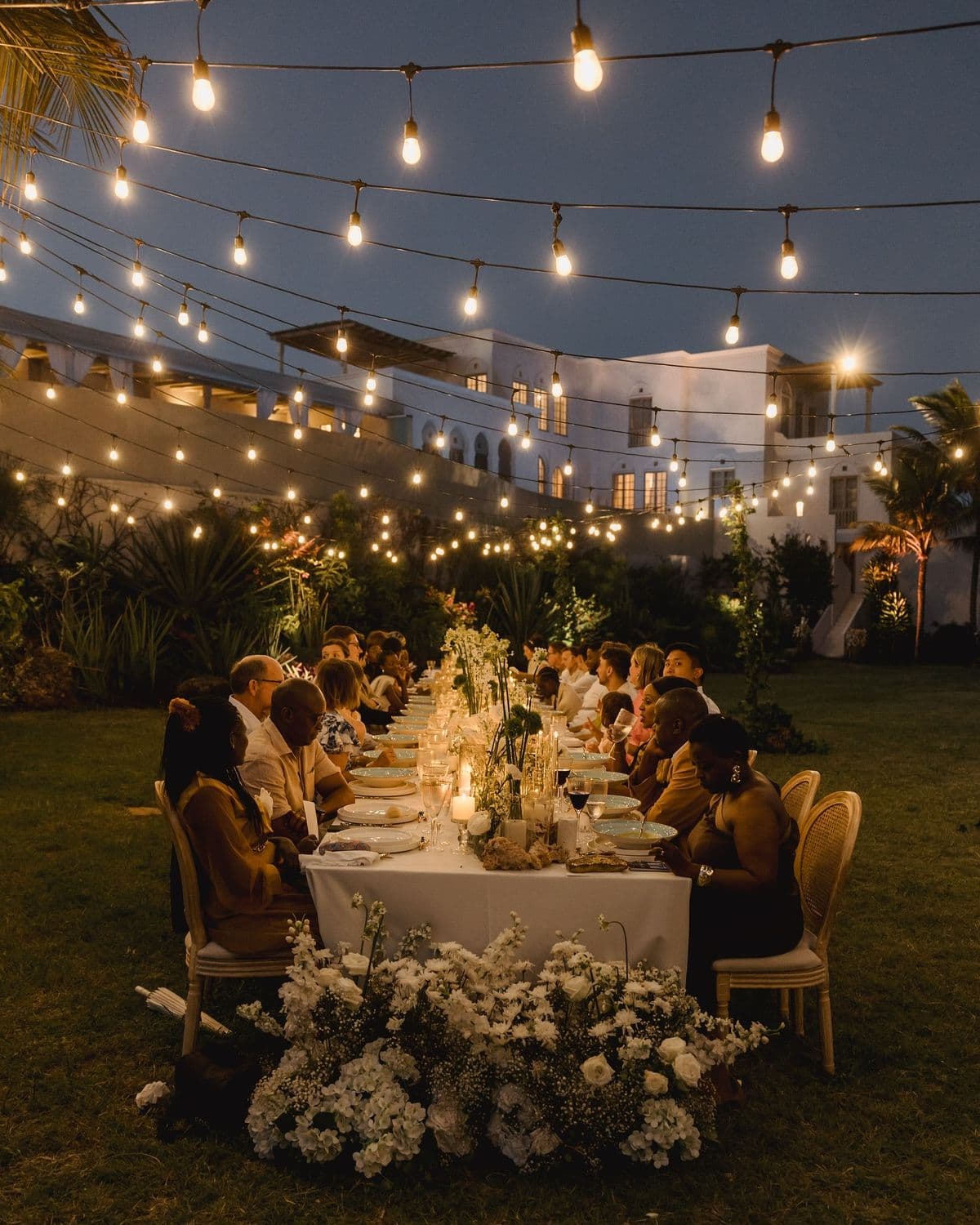
It's 9:14pm. The cake is cut, the toasts are done, and the dance floor has fourteen people on it, eight of whom are children. The bride is standing near the bar, trying to figure out why the energy died. The photographer is packing a second lens. The venue coordinator is checking her watch. And the DJ, who has been technically "doing his job" all night, just queued up another slow song nobody asked for.
This is the moment most couples don't see coming. They spent six months agonizing over the photographer's editing style and another two picking a venue with the right ceiling height. The DJ got a 20-minute phone call and a signed contract. Now the reception they planned for a year is winding down two hours early, and no photo in the world can fix it.
The photographer gets all the credit. The DJ gets all the blame. And honestly, the DJ is usually the reason.
why the DJ matters more than you think
No vendor has more moment-to-moment control over your reception than your DJ. They set the pacing from cocktail hour to last dance. They handle every announcement: first dance, parent dances, toasts, cake cutting, bouquet toss, last call. When a toast runs long, they decide whether to ride the energy or cut to a song. When the dance floor thins out at 9pm, they decide whether to save it or let it spiral.
The photographer documents the night. The venue holds the night. The DJ runs the night.
And yet most couples spend less than 45 minutes vetting their DJ. That's less time than they spend choosing a cake flavor. It's less time than they spend on the seating chart for one table.
The advice you usually hear is some version of:
- "the DJ just plays music, it's easy."
- "any MC can work a crowd."
- "just book whoever has good reviews."
Nope. The DJ breaks receptions. The reviews you're skimming don't tell you whether someone can read a room at hour four, when the older guests have left and the college friends are deciding between staying and going to a bar.
what actually goes wrong when you book the wrong DJ
The failure modes are specific, and most of them aren't fixable after the fact. A bad song choice during first dance can't be re-done. A dead dance floor at 9pm means the whole night ends early, and you're not getting that hour back.
Here are the four most common ways a weak DJ tanks a reception:
- Dance floor dead by 9pm. They played the openers correctly, then lost the read on the room and kept queueing tracks that didn't match the energy. Once a dance floor dies, it takes 20 to 30 minutes to revive it, and sometimes it doesn't come back at all.
- Wrong version of the first dance song. You sent the Spotify link. They downloaded the radio edit instead of the album version, or the cover instead of the original. You realize mid-dance. There is no take two.
- Awkward announcements. Mispronounced names, missed cues, dead air after the toast. The MC role isn't a bonus skill, it's half the job, and a lot of DJs treat it like an afterthought.
- Bad transitions and bad timing. Cocktail hour music bleeds into dinner at the wrong volume. The cake cutting gets announced before half the room is back from the bar. Parent dances happen before the parents are seated.
Neither the song nor the moment is refundable after the date. That's the part that makes the DJ uniquely high-stakes. With most vendors, a mistake is recoverable or invisible. With the DJ, the mistake is the memory.
the 3 questions to ask before you book
A full vetting conversation should take an hour, minimum. But if you only have time for three questions, ask these. How a DJ answers them tells you almost everything.
1. "do you MC, or just play music?"
You want someone who does both, confidently. The right answer sounds like: "I MC every event I play. I'll ask you for phonetic pronunciations of the wedding party, a script for any specific announcements, and I'll run a timeline with your coordinator." The wrong answer is some version of "I can if you want me to" or "I usually let the maid of honor handle that." That's a DJ who plays music at weddings, not a wedding DJ.
2. "have you worked this venue before?"
Acoustics and load-in matter more than couples realize. A barn with a vaulted ceiling sounds completely different from a hotel ballroom, and a DJ who hasn't worked your venue is solving those problems in real time during your cocktail hour. Load-in matters too. If there's a freight elevator with a 6pm cutoff, or the only power outlet is 80 feet from the dance floor, you want someone who already knows.
If they haven't worked the venue, the follow-up question is: "will you do a site visit before the date?" A confident yes is fine. A vague maybe is a red flag.
3. "can i hear a full reception set, not a highlight reel?"
Every DJ has a 90-second sizzle reel of their best transitions. That tells you nothing. Ask for 20 to 30 minutes of a real reception, ideally from the 8pm to 10pm window where the night is won or lost. If they push back or only offer the highlight reel, that's your answer. Good DJs are proud of their full sets.
red flags to watch for
Beyond the three questions, here are the patterns that should slow you down before you sign anything:
- They quote you suspiciously low. Wedding DJs in most markets land somewhere between $1,500 and $3,500 for a full reception. If someone is quoting $600, you are booking a hobbyist with a laptop. That's fine for a backyard party. It's not fine for the night you've spent a year planning.
- No written timeline process. A real wedding DJ will send you a planning questionnaire, a music preferences form, and a draft timeline four to six weeks out. If their process is "just text me the songs you want," they're going to wing it on the day.
- No backup plan. Ask what happens if they get sick or their gear fails. The right answer involves a named backup DJ and redundant equipment. The wrong answer is "that's never happened."
- They won't share references from the last 90 days. Old reviews are easy to curate. Recent ones from couples whose weddings just happened are harder to fake.
- They push back on a contract. Everything should be in writing: hours of coverage, overtime rate, equipment list, attire, arrival time, cancellation terms. If they're casual about the paperwork, they'll be casual about the job.
For more on what to look for in vendor paperwork generally, our notes on contracts cover the clauses that actually protect you.
what to budget, honestly
A good wedding DJ is not where you save money. If your total reception budget is tight, it is almost always better to spend less on florals or a cheaper bar package and protect the DJ line item. The DJ touches every guest, every hour, for the entire night. The centerpieces touch the table they're sitting on.
Most couples should plan for somewhere in the $1,500 to $3,500 range for a 5 to 6 hour reception with MC services included. Add $150 to $300 per overtime hour, and another $300 to $800 if you want extras like uplighting, a dance floor wash, or a cold spark machine. Get all of it in writing before you sign.
If that number feels high, it's because the market correctly prices the role. You are not paying for someone to press play. You are paying for someone to run your reception.
how to actually compare DJs
The reason most couples undershoot on this vendor is that comparison is hard. Every DJ sends a different quote format, a different package structure, and a different list of inclusions. By the time you've talked to four of them, you've lost track of who included uplighting and who charged extra for the ceremony mic.
This is exactly the kind of decision Altared is built for. You can compare DJs side by side on set style, experience, pricing, and contract terms, all in one place, so you're not going in blind or trying to remember which one said what on a phone call three weeks ago. It's free at altared.app.
the short version
If you take nothing else from this:
- The DJ has more control over your reception than any other vendor. Treat the booking decision accordingly.
- Spend at least 90 minutes vetting each DJ you're seriously considering, not 20.
- Ask the three questions: do you MC, have you worked this venue, and can I hear a full reception set.
- Budget honestly. $1,500 to $3,500 is the realistic range for a wedding DJ who can actually run the night.
- Get the contract in writing, including overtime, backup plans, and exact hours of coverage.
- Compare side by side instead of trusting your memory of four different phone calls.
The photographer will document a great reception. The DJ is the reason there is one.
Frequently asked questions
- How much should I spend on a wedding DJ?
- Most wedding DJs in the US land between $1,500 and $3,500 for a 5 to 6 hour reception with MC services included. Overtime typically runs $150 to $300 per hour, and add-ons like uplighting or a cold spark machine can add $300 to $800. If someone quotes you $600, you are likely booking a hobbyist with a laptop, which is fine for a backyard party but risky for a full wedding reception. The DJ is not the line item to cut. They touch every guest, every hour of the night.
- What's the difference between a wedding DJ and a regular DJ?
- A wedding DJ MCs in addition to playing music. They handle every announcement (first dance, toasts, cake cutting, parent dances, last call), coordinate timing with your venue and photographer, and read the room across a 5 hour arc with mixed-age guests. A club or party DJ plays music to a single demographic for two hours. The skill sets overlap, but they are not the same job. When you interview a DJ, ask directly: do you MC, or just play music? The answer tells you which kind you are talking to.
- What questions should I ask a wedding DJ before booking?
- Three questions matter most. First, do you MC in addition to playing music. Second, have you worked our specific venue before, and if not, will you do a site visit. Third, can I hear a full 20 to 30 minute reception set, not a highlight reel. Beyond those, ask about their backup plan if they get sick, their overtime rate, their planning timeline, and recent references from weddings in the last 90 days. How confidently they answer is usually more telling than the answers themselves.
- What are the biggest red flags when booking a wedding DJ?
- Watch for suspiciously low quotes (under roughly $1,000 in most US markets), no written planning process, no named backup DJ if they get sick, refusal to share a full reception set, and resistance to a detailed contract. Also be cautious if they only offer highlight reels, won't provide recent references, or describe their process as just texting them a song list. A real wedding DJ sends a planning questionnaire, a music preferences form, and a draft timeline four to six weeks before the date.
- Can I just use a Spotify playlist instead of hiring a DJ?
- You can, but understand what you're giving up. A playlist doesn't read the room, doesn't transition between energy levels, doesn't MC your announcements, doesn't handle a microphone for toasts, and doesn't adjust when the dance floor thins out at 9pm. For a small, casual reception under 40 guests, a curated playlist plus a designated friend on announcements can work. For anything larger or more formal, the DJ is doing too much real-time work for a playlist to replace. The night you've planned for a year deserves someone running it live.