5 Wedding Vendor Red Flags That Show Up on the First Call
Five vendor red flags engaged couples miss, from vague quotes to missing cancellation policies, plus what to ask before you put down a deposit.
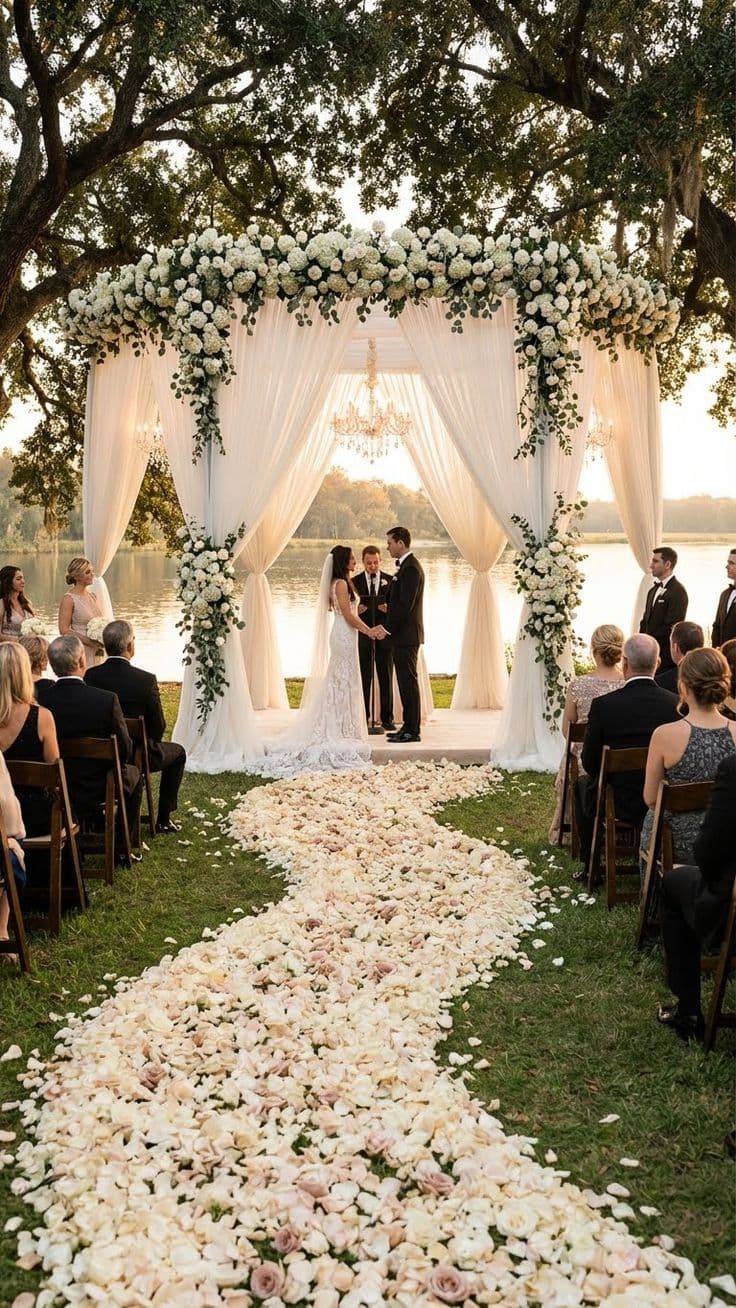
Hindsight is a brutal teacher when you're talking about a $3,000 deposit you can't get back.
Every vendor horror story I've heard from friends, cousins, and strangers in wedding subreddits has the same shape: the warning signs were there from the very first call. The vague quote. The four-day email silence. The sudden "just for you, today" discount. None of these are subtle once you know what you're looking at. They just don't feel like red flags when you're excited, overwhelmed, and trying to lock in a florist before someone else does.
So here are the five patterns that show up before the problem does. Spot them early, before you sign.
Flag 1: the quote has no line-item breakdown
A real quote tells you what you're paying for. A bad quote gives you one number and dares you to ask questions.
If a photographer sends you "$4,200 for 8 hours of coverage" and that's the whole document, you have no idea what's actually included. Are second-shooter fees separate? Is editing extra? What about travel? Prints? An online gallery? A USB? Each of those line items is a place where a surprise charge can hide, and "I assumed it was included" is not a defense once you've signed.
What a healthy quote looks like:
- Each service listed separately with its own price
- Hours of coverage spelled out, with overtime rates
- Deliverables named specifically (edited gallery, raw files, album, etc.)
- Travel, parking, and meal requirements broken out
- Tax and any service fees shown as their own line
If the quote is one big number, ask for it itemized in writing. A vendor who pushes back on this, or who sends back a slightly reworded version of the same vague total, is telling you something.
Flag 2: the contract references "standard terms" without listing them
This one is sneaky because it looks professional. The contract is signed, you feel good, and somewhere in paragraph six there's a line like "standard industry terms apply" or "refer to our standard cancellation policy."
Where are those terms? Not attached. Not on the website. Not in the email. They're "standard," which apparently means "whatever I decide they mean if something goes wrong."
There is no such thing as standard terms in the wedding industry. Every vendor writes their own. If a clause refers to something, that something needs to be physically in front of you, in the same document, before you sign. Ask for it. If they can't produce it, that is the contract telling you what it's worth.
what to specifically ask to see in writing
- the full cancellation policy (yours and theirs)
- the rescheduling policy and any associated fees
- what happens if a key person (lead photographer, lead planner) can't make it
- the delivery timeline for final products, with a hard date
- the refund timeline if you're owed money back
If any of that lives only in a verbal "don't worry, we always take care of it," you don't actually have a contract. You have a vibe.
Flag 3: the first reply took more than three days
This is the one couples are most likely to forgive, and they shouldn't.
Your first inquiry is the moment a vendor is most motivated to impress you. They want your business. They have no other obligations to you yet. If it takes them four days to respond to "hi, I'm interested in your services for June 14th," what happens when you're three weeks out and emailing them about a timeline change?
Response time during the sales phase is the best preview you'll get of communication during the planning phase. A 24- to 48-hour reply is reasonable. A week is not. "Wedding season is busy" is true and also not your problem when you're about to hand someone several thousand dollars.
Track this. Literally write down the date of your first inquiry and the date of their first real reply (not an autoresponder). Do it for every vendor. When you compare three photographers side by side and one took six days, that's data, not a feeling.
Flag 4: the price suddenly drops "just for you, today"
A vendor who quotes you $5,500, then on the same call drops it to $4,200 if you book by end of day, is running a sales tactic, not a business.
Real vendors have real prices. They have a calendar, a workload, and a sense of what their time is worth. They might offer a small discount for an off-season date or a weekday. They do not slash 25% off in real time because you sounded hesitant.
What this almost always means:
- the original price was inflated, and they're hoping you'll feel like you won
- they're desperate to book, which suggests other couples have walked away
- the discount will quietly reappear elsewhere as a "fee" later
- they're using urgency to stop you from comparing them to other vendors
The pressure itself is the tell. Any vendor who needs you to decide today, before you've talked to anyone else, before you've slept on it, is not a vendor you want on your wedding day, where things go wrong and you need someone calm.
The right answer to a "today only" discount is "I appreciate that, I'll let you know by the end of the week." Watch what happens next. A good vendor says "sounds good." A bad one escalates.
Flag 5: no cancellation policy listed anywhere
This is the one that costs the most money, and it's the one couples skim past most often because nobody books a vendor while imagining the vendor cancelling.
A couple I know lost $1,800 when their videographer cancelled six weeks out. Nothing in the contract said what was supposed to happen in that scenario. No refund clause. No replacement clause. No penalty. They had no recourse. The videographer kept the deposit, said sorry, and moved on. The couple had six weeks to find a replacement at peak season prices.
A cancellation policy needs to cover both directions:
- what you get back if you cancel (and when those tiers change)
- what you get back if they cancel
- what happens if they can't perform for reasons outside their control (illness, emergency)
- who's responsible for finding a replacement, and at what cost
- the timeline for any refund being returned to you
If the contract is silent on any of these, ask. Get the answer in writing, as an addendum if needed. "We've never had to deal with that" is not a policy. It's a future problem.
why these five show up together
Here's the uncomfortable part. These flags rarely appear one at a time. The vendor with the vague quote is usually the same one with the "standard terms" contract and the slow reply. The patterns cluster because they come from the same underlying thing: a business that hasn't built solid systems, or one that's deliberately keeping things fuzzy.
When you compare three or four vendors side by side, the differences get loud fast. One sends a 4-page itemized quote within 24 hours. Another sends a one-line text two days later. You don't need to be a contract lawyer to see which one is going to be easier to work with for the next eight months.
This is exactly the kind of comparison Altared was built for. You can track every quote, contract clause, and response time in one place so the patterns are obvious instead of buried in your inbox. If you want more on this, the hidden costs and contracts sections of the blog go deeper into what to look for in the paperwork itself.
the short version
Before you sign anything, run through this:
- Is every service and fee on the quote as its own line?
- Are all referenced terms physically in the document I'm signing?
- Did they reply to my first message within 48 hours?
- Is the price stable, or is it moving based on pressure?
- Does the cancellation policy cover what happens if they cancel, not just me?
If the answer to any of these is no, you don't have to walk away. You just have to ask the question out loud, in writing, and see what comes back. The answer (or the silence) will tell you everything.
Frequently asked questions
- What's a reasonable response time from a wedding vendor?
- During the inquiry and booking phase, expect a real reply within 24 to 48 hours. This is when vendors are most motivated to win your business, so anything beyond three days is a preview of how communication will go once you've already paid a deposit. A short autoresponder followed by a real reply within two business days is fine. A week of silence is not. Track first-reply times across every vendor you contact. When you compare them side by side, the slow responders stand out fast, and you'll have data to back up your instinct.
- Is it normal for a wedding contract to reference "standard terms"?
- No. There are no standard terms in the wedding industry. Every vendor writes their own contract, so any clause that references outside terms ("standard cancellation policy applies," "per industry standard," etc.) needs those terms physically attached to the document you're signing. If they're not attached, ask for them in writing as an addendum. If the vendor can't produce them, or sends back something vague, treat that as the contract telling you what it's actually worth in a dispute.
- How much of a deposit can I lose if a vendor cancels on me?
- It depends entirely on what the contract says, which is exactly why this is the most important clause to check before signing. One couple lost $1,800 when their videographer cancelled six weeks out because the contract had no policy covering vendor cancellation. They had no recourse. A good contract spells out what you get refunded if the vendor cancels, what timeline that refund follows, and who is responsible for sourcing a replacement. If those answers aren't in the paperwork, you have no protection, no matter how nice the vendor seems.
- Should I be suspicious of a vendor offering a same-day discount?
- Yes. Real vendors have real, stable prices. A small discount for an off-season date or a weekday booking is normal. A sudden "just for you, today" price drop of hundreds or thousands of dollars is a sales tactic designed to stop you from comparing them with other vendors or sleeping on the decision. The pressure itself is the red flag. Tell them you'll decide by the end of the week and watch what happens. A trustworthy vendor will say that's fine. A pushy one will escalate, which tells you exactly how they'll handle stress on your wedding day.
- What should a properly itemized wedding vendor quote include?
- Each service should appear as its own line with its own price, not bundled into one big number. For a photographer, that means hours of coverage with overtime rates, second-shooter fees, editing, deliverables (gallery, prints, album, USB), travel, parking, meals, and tax all listed separately. For a florist, every arrangement type and quantity should be itemized. If a vendor sends you one total with no breakdown, ask for it in writing. How they respond to that request tells you whether surprise charges are going to be a problem later.