Why May Weddings Cost 30% More (And It's Not Just Demand)
May weddings cost up to 30% more, but vendors aren't telling you the whole story. Here's what's really driving spring wedding pricing and how to fight back.
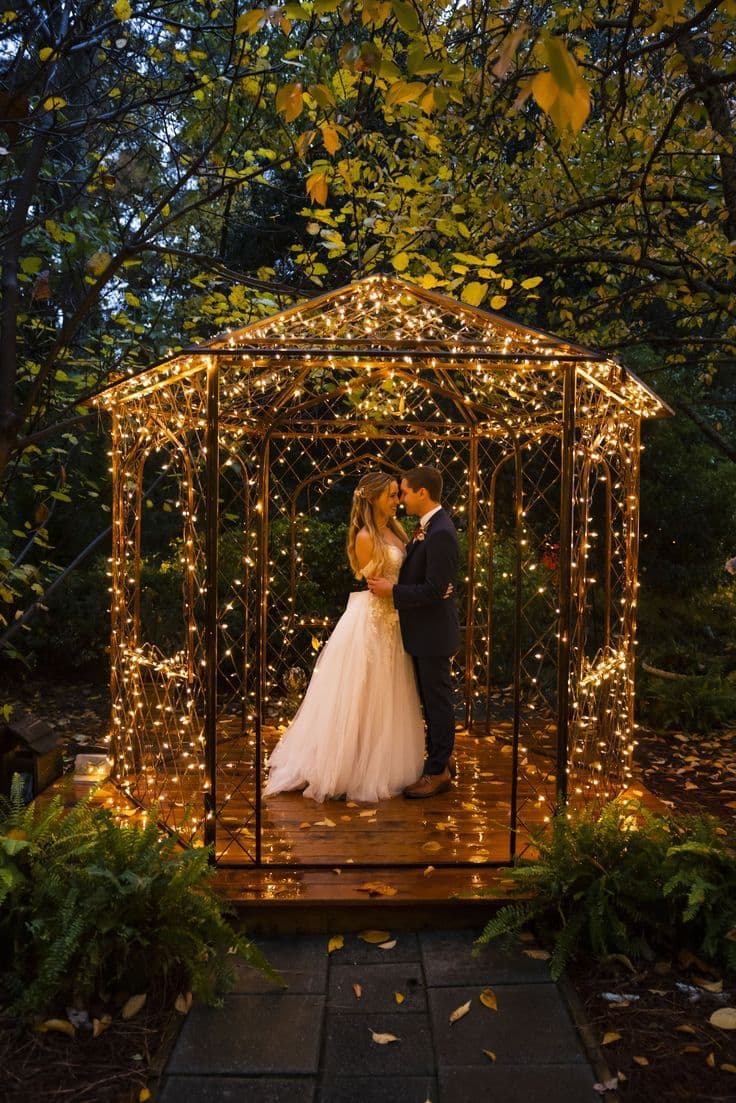
A couple I talked to last spring got three florist quotes for the same arrangement list: garden roses, ranunculus, eucalyptus, a moderate-size sweetheart table installation, eight bridesmaid bouquets. The October quote came back at $4,200. The same florist, same flowers, same setup, for the first Saturday in May: $5,900. When they asked why, the answer was the one every couple hears.
"May is just peak season."
That's true. It's also not the full answer. The price difference between an October wedding and a May wedding isn't one thing, it's two things stacked on top of each other, and only one of them is about demand. If you understand both, you can plan around them. If you don't, you're going to pay the May tax and assume it was unavoidable.
what vendors tell you vs. what's actually happening
Ask ten vendors why May is more expensive and you'll get some version of the same three lines:
- "May is just peak season pricing."
- "Everyone charges more in spring."
- "That's just how the industry works."
Half true. Half strategy.
The "peak season" framing collapses two very different things into one explanation, which is convenient because it makes the markup feel like a law of nature instead of a decision. It isn't. There are two distinct reasons May dates cost more, and they require different responses from you as the couple paying the bill.
One is structural. Vendors really are paying more in spring, and you can't argue your way out of that. The other is behavioral. Vendors know you have no leverage, and they price accordingly. That one, you can absolutely fight.
reason one: vendor costs actually spike in spring
This is the part nobody is lying about. Wholesale costs for florals run 20–40% higher in April and May than they do in October. Your florist isn't padding their margin (well, not only that), they're genuinely paying more for the same stems.
A few reasons this happens:
- Mother's Day and graduation season pull massive volumes of cut flowers out of the wholesale market in early May, tightening supply for everyone.
- Many of the most-requested spring stems (peonies, garden roses, ranunculus, lily of the valley) have short natural windows, and import volumes spike to meet demand, which raises landed cost.
- Shipping and cold-chain logistics get more expensive as global floral demand peaks alongside Easter, Mother's Day, and prom.
- Domestic spring growers can charge a premium because their product is suddenly the freshest option in a market that wants peonies right now.
If you got a $4,200 quote for October and a $5,900 quote for May from the same florist, somewhere around $700 to $1,200 of that gap is real cost being passed through to you. You're not being scammed. You're just buying flowers in the most expensive month of the year to buy flowers.
This same dynamic shows up, in smaller doses, in catering (spring produce premiums, more competition for staff) and rentals (high-demand inventory sells out, forcing upgrades to pricier alternatives). It's not as dramatic as the floral markup, but it's real.
what to do about the structural piece
You have three honest options:
- Move the date. A late October or early November wedding can run materially cheaper on flowers alone, often enough to fund another vendor category.
- Redesign the florals. Locally grown stems, more greenery, fewer high-demand spring blooms. A good florist can hit the same visual mood for less if you give them permission.
- Accept it and trim elsewhere. If May is non-negotiable, decide in advance which categories you'll cut to absorb the markup.
What you cannot do is negotiate the wholesale market down. That part is fixed.
reason two: vendors know you have no leverage
Here's the part that does not get said out loud.
You're booking 12 months out. So are 40 other May couples. Vendor calendars fill earliest for the most desirable dates, and vendors know it. When 40 couples are competing for the same Saturday in May, urgency destroys your negotiating position.
Think about what that actually looks like in practice. You email a photographer in June for next May. They respond within 24 hours because they're in active sales mode. They send a quote. You hesitate. They follow up three days later mentioning they have "another couple looking at that date." You panic-book.
That's not a coincidence. That's the entire business model for peak dates. The vendor doesn't need to discount, doesn't need to throw in extras, doesn't need to sharpen their pencil at all, because someone else will say yes by Friday.
The couples who get the best rates on May weddings are not the couples who negotiate hardest. They're the couples who show up with competing quotes before the vendor knows they have leverage. That's a completely different game.
the leverage window
For a Saturday in May, the rough leverage timeline looks like this:
- 14+ months out: vendors are still building their calendar. You have real leverage. Quotes are negotiable. Add-ons get thrown in.
- 10–13 months out: vendors are filling fast but not full. Leverage is shrinking but still real if you have other quotes in hand.
- 6–9 months out: the best vendors are booked. The ones still available know you're running out of options.
- Under 6 months: you're paying whatever they ask, and you're grateful they said yes.
The couples who feel like May weddings are a rip-off are usually the ones who started serious vendor outreach inside that 6-to-9-month window. The couples who feel like they got fair prices started a year earlier with a spreadsheet.
red flags to watch for in May quotes
Not every May markup is legitimate. A few things to push back on:
- "Peak season surcharge" as a line item with no underlying explanation. Real cost increases show up inside the labor, floral, or rental line. A standalone 20% "peak" fee is pricing power, not cost.
- Quotes that refuse to itemize. If a florist won't tell you what stems are in the proposal, you cannot compare quotes and you cannot evaluate whether the $5,900 is reasonable. Walk.
- Vague "minimum spend" jumps for spring. Some venues quietly raise food and beverage minimums by several thousand dollars for May without flagging it. Read the spring rider, not just the base contract.
- Vendors who won't put pricing in writing until you've "secured the date" with a deposit. That's the leverage trap with a bow on it.
- Identical packages priced 25%+ higher than the same vendor's October rate when you can find it. A markup north of the floral wholesale gap means you're paying for demand, not cost. That's negotiable.
For more on contract language that quietly inflates a May budget, our notes on hidden fees cover the usual suspects.
the fix is boring but it works
Get at least three quotes for every major vendor category: photographer, caterer, florist. Get them early enough that you still have room to walk away. That's it. That's the entire strategy.
Three quotes does two things at once. It gives you a real sense of the market rate for your date and your guest count, which kills the vendor's information advantage. And it gives you something to point at when you ask vendor number one to match vendor number two on a specific line item.
You don't have to be aggressive about it. A simple "we're seeing similar packages from two other photographers in the $X range, is there any flexibility here?" works more often than couples think, especially 12+ months out when the vendor would rather lock the date than hold out for full price.
a quick example
Say you're pricing photography for a Saturday in May:
- Photographer A: $6,800, 8 hours, two shooters, all images
- Photographer B: $5,400, 8 hours, one shooter, all images
- Photographer C: $7,200, 10 hours, two shooters, engagement session included
Without all three, Photographer A looks expensive and Photographer C looks outrageous. With all three, you can see Photographer C is actually the best per-hour value, and you have a real conversation to have with Photographer A about whether they'll match B on the second shooter add-on.
That conversation does not happen if you only got one quote in March for a May wedding.
lock quotes before spring pricing kicks in
Altared lets you compare all your vendor quotes side by side so you can see exactly what you're trading off, line by line, before you commit. It's free.
If you're planning a 2026 May wedding, the honest move is to start vendor outreach now, not in January. The floral wholesale gap you can't fix. The leverage gap, you absolutely can.
the short version
- May weddings cost more for two reasons, not one: real wholesale cost spikes (20–40% higher florals) and vendor leverage over booked-out calendars.
- You can't negotiate spring flower prices. You can redesign around them, or pick a cheaper month.
- You can negotiate the leverage piece, but only if you start early enough to walk away.
- Get three quotes per major category (photographer, caterer, florist) at least 12 months out.
- Watch for standalone "peak season" line items, unitemized florals, and quiet spring minimums in venue contracts.
- Compare quotes side by side before you sign anything. That's the whole game.
Frequently asked questions
- Is May really 30% more expensive than other wedding months?
- On average, yes, though the exact number depends on your vendor mix. Floral wholesale runs 20–40% higher in April and May than October, which is the biggest single driver. Photography, catering, and rentals add smaller spring premiums on top. When you stack them, a May wedding can easily run 25–35% more than the same wedding in late October or November. The gap is widest for floral-heavy designs and narrowest for weddings that lean on greenery, candles, and locally grown stems instead of imported peonies and garden roses.
- What's the cheapest month to get married if I want to avoid peak pricing?
- January, February, and November (excluding Thanksgiving weekend) are typically the cheapest months in most U.S. markets. Vendor calendars are wide open, wholesale floral costs are lower, and venues often offer off-season discounts on food and beverage minimums. Late fall (late October through mid-November) is the sweet spot if you still want decent weather and seasonal flowers without paying the spring premium. If you can be flexible on day of week too, a Friday or Sunday in an off-peak month can save another 10–20% on venue and vendor pricing.
- How early should I start getting vendor quotes for a May wedding?
- At least 14 months out for popular vendors, and ideally 16–18 months for in-demand photographers and venues. The leverage window closes fast for Saturday dates in May. By 10 months out, the best vendors are filling their calendars and have no reason to negotiate. By 6 months out, you're choosing from whoever's left. Starting early doesn't mean booking early, it means having real quotes in hand so you can compare, negotiate, and walk away if needed. That optionality is the entire source of your bargaining power.
- Can I actually negotiate with wedding vendors, or is pricing fixed?
- You can negotiate, but rarely on the headline number. What's actually flexible is the package composition: hours of coverage, number of staff, add-ons like engagement sessions or second shooters, rental upgrades, overtime rates, and payment terms. A photographer who won't drop their $6,800 package price might happily throw in a second shooter worth $800 to close the deal. Vendors are more flexible when you're far out from the date, when you have competing quotes in hand, and when you ask for specific line-item changes instead of a vague discount.
- Why won't my florist itemize their proposal?
- Some florists don't itemize because their pricing model bundles design labor, sourcing, and stems into a single creative fee, which is legitimate. Others avoid itemization because it makes comparison shopping impossible and protects their margin. You should always be able to see, at minimum, what arrangements you're getting (bouquets, centerpieces, installations) and roughly what stems are featured. If a florist refuses to provide even that level of detail before you sign a contract, that's a red flag. You can't evaluate value on a number alone, and you can't compare quotes if one is a black box.