6 Venue Fees That Never Make It Into the Quote
The venue quote is a starting point, not the final number. Here are 6 hidden venue fees, from service charge to cleaning, that show up on the invoice.
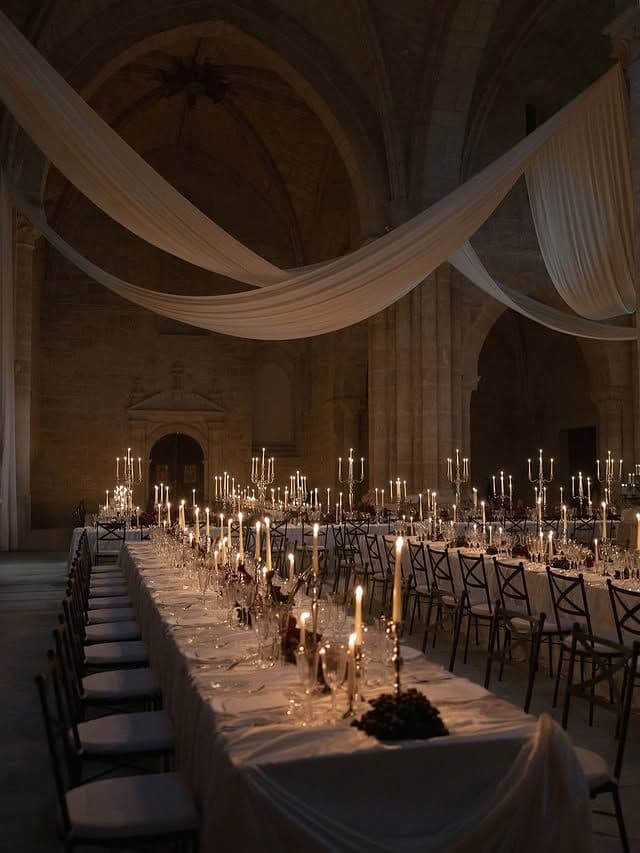
You tour a venue, fall for the string lights and the courtyard, and the coordinator hands you a proposal with a clean, confident number at the bottom. You do the math, it fits, you feel great. Then three months later the actual contract arrives, and that clean number has quietly grown by a few thousand dollars. Nothing was hidden, exactly. It just lived in a different document.
This is the part nobody warns you about. The venue quote is a starting point, not the final number. The pretty package pricing and the real contract are two separate things, and the gap between them is made up of line items that almost never appear on the proposal. Six of them, in particular, show up on the invoice again and again.
None of this means your venue is being sneaky. It means the proposal is a sales tool and the contract is a legal one, and they were written for different purposes. Knowing these six line items before you sign is the difference between a final number you planned for and one that makes your stomach drop.
The six fees that live in the contract, not the quote
Here they are, in the order they'll usually cost you the most.
- Service charge: 18-24% on your food and bar total, before any gratuity.
- Cake cutting: $2-6 per slice, which is real money at scale.
- Overtime: $250-500 per half-hour past your contracted end time.
- Vendor meals: $30-75 per vendor, and vendors add up fast.
- Security staff: $150-200 per guard, often mandatory when there's a bar.
- Cleaning fee: $300-800 flat, added after you leave.
Let's walk through each one so you know what you're looking at when the contract lands.
1. Service charge (18-24%, before gratuity)
This is the big one, and the one people misread most often. The service charge is a percentage the venue adds on top of your food and bar total, usually 18-24%. The trap is assuming it replaces the tip. In most contracts it does not. The service charge covers the venue's operational costs and staffing overhead, and gratuity is a separate line, sometimes expected on top.
Because it's a percentage of food and bar, it scales with everything you add. Upgrade the entrée, add a passed-appetizer hour, extend the open bar, and the service charge climbs right alongside. On a $20,000 food and bar total, a 22% service charge is $4,400. That is not a rounding error, and it almost never appears on the first proposal.
What to ask: is the service charge taxed? (Often yes.) Does it include gratuity, or is tip expected separately? Get the answer in writing.
2. Cake cutting ($2-6 per slice)
A cake cutting fee is exactly what it sounds like: a per-slice charge for the venue's staff to plate and serve your cake, especially if the cake comes from an outside baker. It sounds trivial until you multiply it. At $2-6 a slice, 150 guests is $900 you didn't budget for.
The frustrating part is that you're often paying your baker for the cake and then paying the venue again to serve it. Some couples get around this by choosing a dessert the venue doesn't charge to cut (a dessert bar, individual portions) or by negotiating the fee out during the contract stage. But you can only negotiate what you know exists.
3. Overtime ($250-500 per half-hour)
Your contract has an end time, and going past it is billed in 30-minute blocks at $250-500 per half-hour. This is the fee most likely to hit you on the actual wedding night, when nobody wants to be the person cutting the party short.
The reception runs long. The band is still going. Guests are still dancing. Nobody's watching the clock except the venue, and every half-hour past your end time is another few hundred dollars, billed to the card on file. An hour of overtime can quietly be $500-1,000.
What to ask: when does the overtime clock actually start, load-out included? Is there a hard cutoff the venue enforces regardless? Knowing this helps you build a realistic timeline instead of an optimistic one.
4. Vendor meals ($30-75 per vendor)
Most catering contracts require you to feed your working vendors, and the venue charges you $30-75 per vendor meal to do it. Individually that's reasonable. The problem is the count adds up faster than you'd think.
Photographer plus band is fast. Now add the second shooter, the videographer, the DJ, the planner and their assistant, the photo booth attendant. A ten-person band alone can put a serious dent in the number. Ten vendor meals at $50 each is $500, and a full team can easily push past that.
What to ask: does the venue offer a discounted vendor meal rate (many do, it's often not the full guest price)? Do your vendor contracts actually require a hot meal, or will a boxed option satisfy them? Reconciling these two documents can save you a few hundred dollars.
5. Security staff ($150-200 per guard)
Here's one that surprises almost everyone: if you're serving alcohol, the venue may require licensed security staff, and you're the one paying for it at $150-200 per guard. Guard counts are usually tied to your guest count, so a larger wedding may need two or three.
This is frequently non-negotiable. It's tied to the venue's liability insurance and sometimes to local ordinance, so it's less "would you like to add" and more "this is a condition of having a bar." Two guards for a five-hour reception can run $300-400 or more, and it rarely appears on the proposal because the bar was quoted separately from the staffing to run it.
6. Cleaning fee ($300-800 flat)
The last one shows up after you've already left. A flat cleaning fee of $300-800 covers resetting the space, and it's often charged whether the event was a mess or not. Some venues fold it into the rental. Many list it separately, or add it to the final invoice as a standalone line.
What to ask: is a cleaning fee included in the rental, or added? Is there a separate damage deposit, and under what conditions is it withheld? You want to know before the invoice, not after.
What this actually adds up to
Let's put realistic mid-range numbers on a 150-guest wedding to see the gap:
- Service charge at 22% on a $20,000 food and bar total: $4,400
- Cake cutting at $6 per slice for 150 guests: $900
- One hour of overtime at $500 per half-hour: $1,000
- Ten vendor meals at $50 each: $500
- Two security guards: $400
- Cleaning fee: $500
That's roughly $7,700 that wasn't on the proposal you fell in love with. Not because anyone lied to you, but because the proposal and the contract were never the same document. This is exactly the kind of gap we break down in more detail over in /blog/category/hidden-costs.
Red flags to watch for before you sign
Not every venue handles this the same way, and the way they answer your questions tells you a lot. Watch for these:
- "Don't worry about that, we'll sort it later." Vague answers about service charge, gratuity, or overtime are the ones that become surprise line items. Get every number in writing.
- A proposal with no itemization. If food, bar, staffing, and fees are bundled into one lump figure, ask for the breakdown. A venue confident in its pricing will give it to you.
- Service charge and gratuity that both appear as separate percentages. That's not automatically wrong, but you need to know you're being asked for both before you sign, not on the final invoice.
- No stated overtime policy. If the contract doesn't spell out the rate and the cutoff, you're exposed on the one night you have the least control.
- "Mandatory" fees with no explanation. Required security and cleaning are common and often legitimate, but you deserve to know why they're mandatory and what they cover.
The goal isn't to treat your venue like an adversary. Most of these fees are standard and defensible. The goal is to see the whole picture before you commit, so the final number doesn't come as a shock.
Before you sign anything
Here's your short checklist for venue-comparison day:
- Ask for the service charge percentage and whether gratuity is separate. Get it in writing.
- Confirm the cake cutting fee and price it against your guest count.
- Read the overtime rate and cutoff, then build a timeline with a buffer.
- Cross-check vendor meal requirements against your actual vendor contracts.
- Ask whether security is mandatory with a bar, and how many guards.
- Find out if cleaning is included or added, plus any damage deposit terms.
Do this across every venue you're comparing and you'll be comparing real numbers, not marketing numbers. Two venues with identical package prices can be thousands apart once these six fees are on the table.
If you already have a quote in hand and want a fast gut check, you can drop your contract into Altared and it flags these line by line, so you know what's really in there before you sign. Start at /get-started. Then tag the friend who just got engaged, because she needs it more than you do right now.
Frequently asked questions
- Does the venue service charge replace the tip?
- Usually no. The service charge, typically 18-24% on your food and bar total, covers the venue's operational and staffing costs, and it does not always include gratuity. In many contracts, tip is a separate line that may be expected on top. This is the single most common misread on a venue contract. Always ask directly whether the service charge includes gratuity or whether tipping is separate, and get the answer in writing before you sign. On a $20,000 food and bar total, a 22% service charge alone is $4,400, so the distinction matters.
- Why do venues charge a cake cutting fee?
- The cake cutting fee, usually $2-6 per slice, covers the venue staff's time to plate and serve your cake, especially when it comes from an outside baker. It feels like double-paying because you already paid your baker to make it, then pay the venue to cut it. At scale it adds up fast: 150 guests at $6 a slice is $900. You can sometimes avoid it by choosing a dessert the venue doesn't charge to serve, or by negotiating the fee out during the contract stage before you sign.
- How does wedding venue overtime get billed?
- Overtime is typically billed in 30-minute blocks at $250-500 per half-hour past your contracted end time. It's the fee most likely to hit on the wedding night itself, when the party is still going and nobody wants to cut it short. An extra hour can quietly become $500-1,000, charged to the card on file. Ask exactly when the overtime clock starts (including load-out), whether there's a hard cutoff the venue enforces, and build your timeline with a buffer instead of assuming everything runs perfectly on schedule.
- Are wedding security fees mandatory?
- Often, yes, when you're serving alcohol. Many venues require licensed security staff at $150-200 per guard, tied to their liability insurance and sometimes to local ordinance. Guard counts usually scale with your guest count, so a larger wedding may need two or three. Because it's frequently a condition of having a bar rather than an optional add-on, it's rarely negotiable. It also rarely appears on the initial proposal because the bar is quoted separately from the staffing needed to run it. Ask upfront whether security is required and how many guards your event will need.
- How much can hidden venue fees add to my final bill?
- On a mid-range 150-guest wedding, these six fees can add roughly $7,700 that wasn't on the original proposal. That includes a 22% service charge on a $20,000 food and bar total ($4,400), cake cutting ($900), an hour of overtime ($1,000), ten vendor meals ($500), two security guards ($400), and a cleaning fee ($500). None of it means the venue was dishonest. The proposal is a sales document and the contract is a legal one. Knowing these six line items before you sign is what keeps the final number from being a shock.