"While We're At It": The 3 Words That Cost You $2,800
"While we're at it" is the most expensive phrase in wedding planning. Here's how small add-ons quietly add $2,800 to your budget, and how to stop the creep.
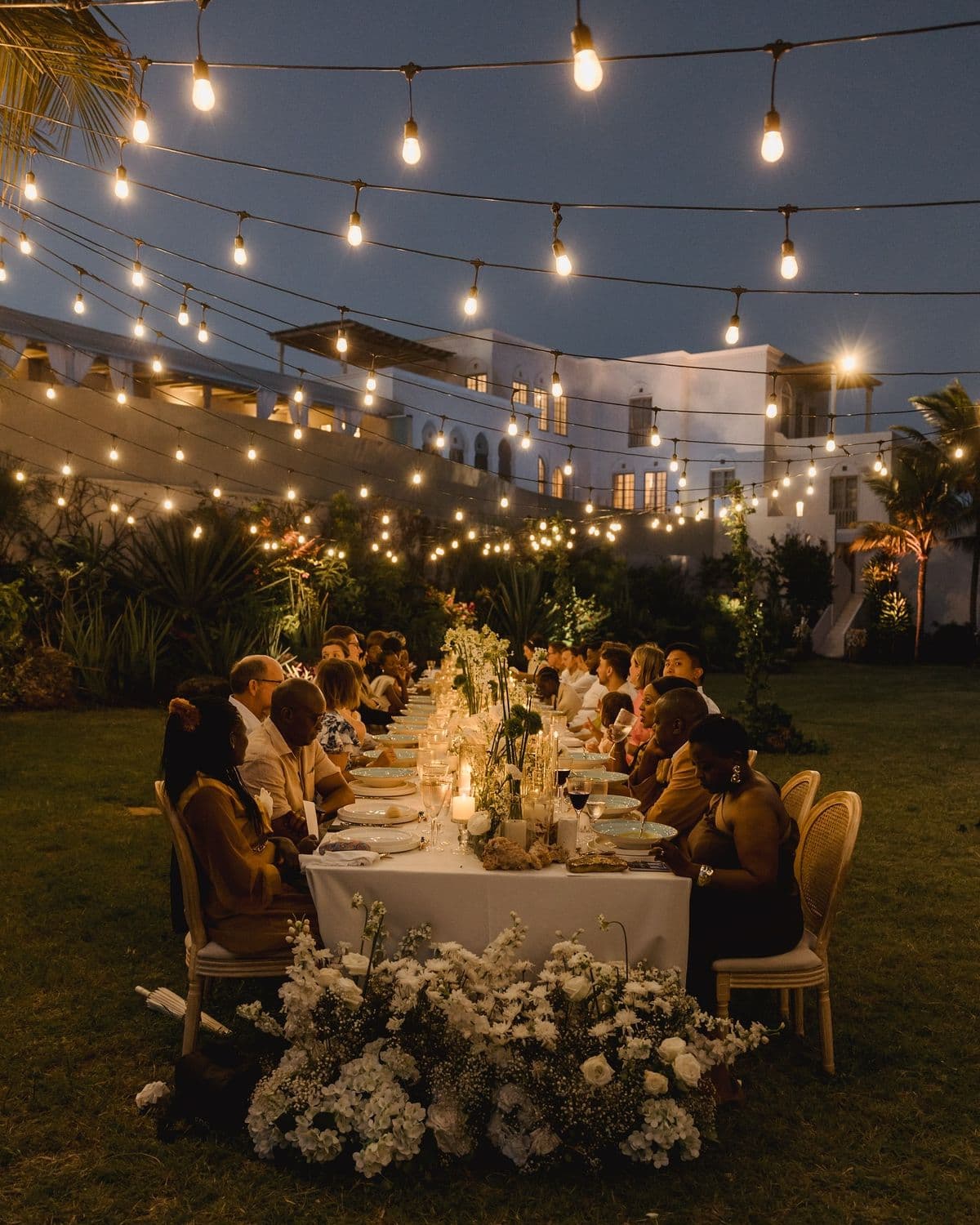
You're standing in the venue, and the coordinator says the photographer is already booked for eight hours, so "while we're at it," wouldn't a second shooter make sense? Just $400 more. You nod. Of course. Then the caterer mentions a late-night snack bar, because guests get hungry after the dancing, and it's only $600. You nod again. Then upgraded linens, because the photographer is coming anyway and you want it to look good in photos. Then candles at every place setting, because you were already doing the centerpieces.
None of it felt like a decision. It just felt like yes.
And then the final number came in, and it wasn't even close to what you'd agreed on in your head.
That's the trap. You didn't plan to go over budget. You planned a wedding. Somewhere between the venue tour and the final invoice, you said "while we're at it" about fourteen times, and each yes was small enough to feel harmless. Stacked together, they're the most expensive three words in wedding planning.
why "while we're at it" works on you
The phrase is engineered to bypass the part of your brain that does math. It frames every upgrade as an efficiency, not an expense. You're already paying for the photographer, so a second shooter feels like maximizing a sunk cost rather than spending new money. You're already decorating the tables, so candles feel like finishing a job you started, not starting a new one.
That framing is the whole problem. It moves each decision out of your budget and into your momentum. When you're tired, excited, and three vendor meetings deep, momentum wins.
There are three reasons these adds slip past you:
- They're individually small. Nobody flinches at $400 when the venue cost $12,000. The number feels like a rounding error against the big-ticket items, so you wave it through.
- They arrive one at a time. You never see the second shooter, the snack bar, the linens, and the candles on the same screen. Each one shows up in a different conversation, on a different day, attached to a different vendor. You approve them in isolation and never sum them.
- They're emotionally loaded. "While we're at it" almost always sits next to a fear of regret. What if the light is bad and you wish you'd had two photographers? What if guests leave hungry? You're not buying a snack bar. You're buying peace of mind, and peace of mind has no price ceiling.
That's how a wedding budget creeps. Not with one reckless splurge, but with a dozen reasonable yeses that nobody added up.
real adds, real dollar damage
Here's what the creep actually looks like in dollars. These aren't invented numbers, they're the everyday upgrades that show up on real invoices:
- +$400 for a second shooter. The photographer's already there, so why not get the getting-ready shots and the ceremony from two angles?
- +$600 for a late-night snack bar. Sliders and fries at 10pm, because the caterer's already in the kitchen.
- Upgraded linens, because the photographer is coming anyway and bare tables photograph flat.
- Candles at every place setting, because you were already doing the centerpieces.
Keep going down that list, vendor by vendor, and you land at the number that should make you stop scrolling: $2,800 gone in add-ons. That's not a worst-case horror story. That's a Tuesday's worth of "sure, that makes sense" decisions, none of which felt like a decision.
Think about what $2,800 is on its own. It's a honeymoon flight upgrade for two. It's most of a month of rent. It's a chunk of your photographer's base package. But because it arrived in pieces of $400 and $600, it never registered as a real expense. It registered as a series of small, sensible yeses.
the upgrade that funds the next upgrade
There's a second layer to watch for. One "while we're at it" frequently creates the justification for the next one. You upgrade the linens for the photos, which makes the basic centerpieces look cheap by comparison, so you upgrade those too. You add the second shooter, who now needs to be fed, which bumps your catering headcount. The adds don't just stack. They breed. Each yes quietly raises the floor for what the next yes has to match.
the running total nobody keeps
Here's the uncomfortable truth: most couples don't have a real running total. They have a budget they agreed on once, early, in a spreadsheet or a notes app, and then a growing pile of contracts, emails, and verbal yeses that never get reconciled against that original number.
The venue total lives in one PDF. The catering add-ons live in an email thread. The second shooter lives in a text message. The linen upgrade lives in a conversation you half-remember. Nobody is summing them in real time, so the gap between "what we agreed on in our head" and "what we're actually committed to" stays invisible until the final invoices land.
By then it's not a budgeting decision anymore. It's a crisis. You're either eating the overage, cutting something you loved, or having an argument neither of you wanted to have a month before the wedding.
The fix isn't willpower. You can't out-discipline fourteen separate conversations spread across nine months. The fix is visibility. You need to see every add-on, upgrade, and "small" yes against your real running total, in one place, the moment it happens, so you can catch the creep before it becomes a surprise. That's exactly what Altared is built to do: track every markup against your actual number so the creep is visible while you can still do something about it.
red flags: when "while we're at it" is about to cost you
Train your ear for the moment a small yes is coming. These are the phrases and situations to watch for:
- "Since we're already paying for..." Any sentence that justifies a new expense by pointing at an old one. The sunk cost is bait, not a reason.
- "It's only a little more." A little more than what? If you can't say the new total out loud, you don't know what you're agreeing to.
- "Most of our couples add this." Social proof aimed at your fear of missing something. What most couples add is irrelevant to your budget.
- The verbal yes with no number attached. If a vendor describes an upgrade and you say yes before hearing the price, that's a red flag. Make the number exist before you agree.
- Upgrades pitched in a separate meeting from the contract. Adds that arrive after you've signed are the easiest to wave through, because the "real" decision feels like it already happened.
- Anything justified by photos. "It'll look better in pictures" can justify literally any expense. It's true and it's also a blank check.
When you hear any of these, the move is the same: pause, get the exact dollar figure, and add it to your running total before you answer. Not after. The whole scam of budget creep depends on you answering first and totaling later.
how to say yes on purpose
You don't have to refuse every upgrade. Some of them are genuinely worth it. A second shooter at a 200-person wedding might be money well spent. The point isn't to be cheap, it's to decide on purpose instead of by momentum.
Here's the system:
- Set a hard add-on line in your budget. Not just category totals, an explicit "extras" cushion. When it's spent, it's spent.
- Make every yes go through the total. Before you agree to anything, look at the new running number, not the price of the single item. $600 is meaningless. "$28,900, up from $28,300" is a decision.
- Get the price before you react. Never say yes to a described upgrade. Say "what's that cost?" and wait for the figure.
- Batch your add-on decisions. Once a month, look at every pending upgrade together, on one screen. Adds that look essential alone often look optional next to each other.
- Ask what it replaces, not what it adds. If you want the snack bar, what comes off the list to fund it? Trade-offs keep the total honest.
Do that, and "while we're at it" stops being a reflex and starts being a real choice. You'll still say yes to some things. You'll just know exactly what they cost and what you gave up to get them. (If you want help spotting where adds hide in the first place, our hidden costs posts break down the usual suspects vendor by vendor.)
the short version
The creep is quiet, so your defense has to be loud and constant. Here's what to actually do:
- Treat "while we're at it" as a spending alarm, not a transition phrase.
- Remember the math: +$400 second shooter, +$600 snack bar, and the rest add up to $2,800 gone in add-ons.
- Never approve an upgrade without its exact price.
- Judge every yes against your running total, not against the single item's price.
- Set an add-on cushion and stop when it's gone.
- Keep all of it in one place so the creep is visible before it's a crisis.
You planned a wedding, not an overage. Keep the running total in front of you, and the most expensive three words in wedding planning lose their power.
Frequently asked questions
- How much does "while we're at it" actually add to a wedding budget?
- It varies, but the damage is real and it stacks fast. A common pattern looks like +$400 for a second shooter, +$600 for a late-night snack bar, plus upgraded linens and candles at every place setting, which together land around $2,800 gone in add-ons. The danger isn't any single number, it's that these arrive one at a time in separate conversations, so you approve each in isolation and never sum them. By the time the final invoices come in, the total is nowhere near what you agreed on in your head.
- Are wedding add-ons like a second shooter or snack bar ever worth it?
- Sometimes, yes. A second shooter at a large wedding can genuinely be money well spent, and a late-night snack bar can be a highlight. The goal isn't to refuse every upgrade, it's to decide on purpose instead of by momentum. Get the exact price before you react, judge it against your running total rather than the single item's price, and ask what it replaces rather than what it adds. When you say yes knowing the real cost and the trade-off, that's a choice, not creep.
- Why do small upgrades slip past my budget so easily?
- Three reasons. They're individually small, so $400 feels like a rounding error next to a $12,000 venue. They arrive one at a time across different vendors and different days, so you never see them on one screen. And they're emotionally loaded, usually sitting next to a fear of regret about photos or hungry guests. That framing moves each decision out of your budget and into your momentum, and when you're tired and excited, momentum wins.
- What are the warning signs that an upgrade is about to cost me?
- Listen for specific phrases. "Since we're already paying for..." uses a sunk cost as bait. "It's only a little more" hides the new total. "Most of our couples add this" targets your fear of missing out. Also watch for any yes you give before hearing a price, upgrades pitched after you've signed the contract, and anything justified by "it'll look better in pictures," which can justify any expense. When you hear these, pause, get the exact figure, and add it to your total before answering.
- How do I keep track of all the add-ons across different vendors?
- Willpower won't do it, because you can't out-discipline fourteen separate conversations spread across nine months. You need visibility. Keep every add-on, upgrade, and small yes in one place, measured against your real running total, the moment it happens. Altared is built for exactly this, tracking every markup so the creep is visible while you can still do something about it. The key is to make every yes pass through the updated total, so you're deciding on "$28,900, up from $28,300" rather than a meaningless standalone $600.