6 Bar Costs Most Couples Miss (and Who Actually Pays)
The wedding bar quote is never the real number. Here are 6 hidden bar costs, who pays them, and how BYOB can cut your wedding bar bill by 40-60%.
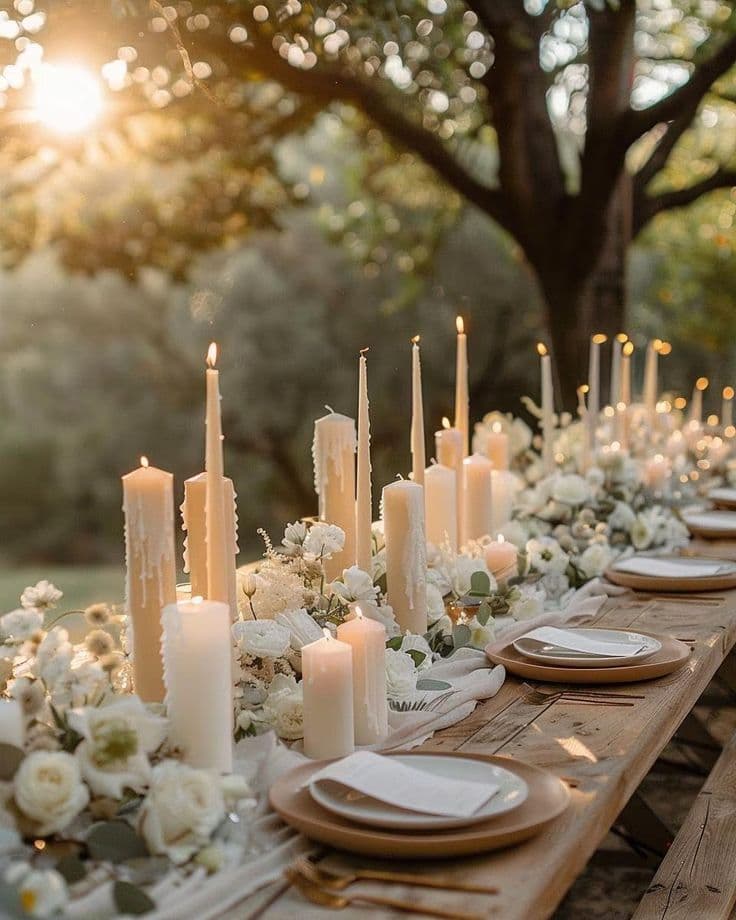
A couple we heard from booked their venue's "premium open bar" at what looked like a clean, all-in number on the proposal. Four hours, 120 guests, one flat rate per head. Then the final invoice landed. The per-person rate was there, sure. But under it sat a 22% service charge, a separate line for cocktail hour, bartender gratuity, and a note about overtime because the reception ran late. The proposal number and the invoice number were nearly $6,000 apart.
That gap is not a mistake. It is how bar pricing is built. The bar quote is never the real number, and the bar tab usually lands at 10-15% of your total wedding budget once everything stacks up. Most couples see one number on the proposal and a very different one on the invoice.
Here are the six costs that create that gap, who actually foots each one, and where you can cut the tab before you sign anything.
why the bar quote lies to you
The headline number on a bar proposal is almost always just the base pour cost. It is the price of the alcohol per person, and nothing else. Everything that makes the bar actually run (the staff, the setup, the service, the extra hour you did not plan for) gets added in layers, and each layer has its own line and its own percentage.
Think of the quote as the sticker price on a car before tax, title, and fees. Nobody drives off paying the sticker. The trick is that bar proposals rarely show you the fees up front, so you compare venues on a base rate that no couple ever actually pays.
Before you sign, you want every one of these six lines identified and totaled. Here they are in order.
the 6 bar costs, one at a time
1. the per-person rate
Open bar runs $40-100 per head, before taxes. This is the number you will see first, and it is real, but it is only the foundation.
The spread is wide because it covers everything from a beer-and-wine package to a premium top-shelf spirits bar. A rail (well) package sits at the bottom. Call and premium tiers, where you get name-brand liquor and a fuller cocktail list, push toward the top.
For 120 guests, that alone is a range of $4,800 to $12,000. Who pays: the couple, almost always, unless a parent has claimed the bar as their contribution. Nail down which tier your quote reflects, because "open bar" on a proposal can mean five different price points.
2. the service charge
Venues stack 20-25% on top of the bar total. This is the single biggest surprise line, and it is calculated on the whole bar subtotal, not a flat fee.
Take that $40-100 per-head range on 120 guests. A 22% service charge on a $9,000 bar is nearly $2,000 on its own. And here is the part couples miss: a service charge is not a tip. It typically covers the venue's operational and staffing overhead, and in many contracts none of it reaches the bartenders. That matters for the next line.
Who pays: the couple. There is rarely wiggle room on the percentage itself, but you can and should ask what the service charge actually covers so you are not double-paying for gratuity.
3. bartender tips
Couples budget $1-2 per guest per hour for bartender gratuity, or they budget nothing at all and get blindsided.
If your contract's service charge does not include the bartenders' tip (and often it does not), this is on you. Do the math: 120 guests, five hours, at $1-2 per guest per hour, comes to $600-$1,200.
Who pays: usually the couple, but this is negotiable in setup. Some couples arrange a flat tip per bartender instead of a per-guest formula, which can be cheaper for larger guest counts. Ask two questions: is gratuity already in the service charge, and if not, what is expected. Getting a straight answer here prevents an awkward end-of-night cash scramble.
4. cocktail hour
Cocktail hour is often priced separately, and it adds $8-20 per head.
This is the one that quietly doubles up. You think your open bar package covers the whole night. Then you learn the hour between ceremony and reception, the one with passed signature cocktails and the champagne toast, is billed on its own line. At $8-20 per person for 120 guests, that is another $960 to $2,400.
Who pays: the couple. The fix is simple but you have to catch it. Ask whether your bar package includes cocktail hour or bills it separately. If separately, decide whether a limited cocktail hour menu (beer, wine, and one signature drink) gets you most of the vibe at a fraction of the add-on.
5. overtime pours
Bar overtime bills $150-300 per extra half hour. This is the cost that depends entirely on how the night goes, which makes it the easiest one to forget when you are reading a proposal in a calm office weeks ahead.
Your package covers a set number of hours. The moment the bar runs past that window, the meter starts, and it runs in expensive increments. One extra hour of a lively reception can quietly add $300 to $600.
Who pays: the couple, and often on the spot. Watch for how overtime is triggered in your contract. Is it the whole event running late, or specifically the bar staying open? Some couples close the bar 30 minutes before the reception ends on purpose, which nudges guests toward the dance floor and caps the overtime risk.
6. BYOB savings
Here is the lever most venues will not advertise: bringing your own can cut the bar bill by 40-60% when your contract allows it.
BYOB means you buy the alcohol yourself (often at wholesale or with a returns policy on unopened bottles) and pay the venue a corkage fee or a bartending-only labor rate instead of a full per-head package. You skip the marked-up per-person pour cost, which is where venues make their margin.
On a $9,000 bar package, a 40-60% cut is $3,600 to $5,400 back in your budget. That is not a rounding error. That is a photographer, or a chunk of your honeymoon.
Who pays: still the couple, but for a lot less. The catch is the phrase "when your contract allows it." Many venues prohibit BYOB outright, or allow it with restrictions. This is a question you ask before you fall in love with a space, not after.
red flags to watch for in a bar proposal
When you read the next proposal, treat these as stop-and-ask moments:
- A single flat per-person number with no separate line for service charge. It is coming; it is just not shown yet.
- The word "gratuity" appearing nowhere. That usually means tips are on you, on top of the service charge.
- No mention of cocktail hour in the bar section. Assume it is billed separately until someone confirms otherwise.
- Vague overtime language like "additional fees may apply." Get the exact per-half-hour rate in writing.
- A hard "no outside alcohol" clause with no corkage alternative. That closes off your biggest savings lever entirely.
- A "consumption bar" pitched as cheaper without a cap. Paying per drink can beat a package for light-drinking crowds, but with no spending cap it can blow past a flat rate fast.
If a venue coordinator gets cagey when you ask what a line covers, that is information too. The good ones will walk you through it.
how to actually cut the tab
You do not have to accept the invoice as fate. A few moves, in order of impact:
- Ask about BYOB or corkage first. This is the 40-60% lever. Everything else is smaller.
- Right-size your tier. Most guests cannot tell rail vodka from premium in a mixed drink. A call-level bar often satisfies everyone at a lower per-head rate.
- Trim cocktail hour to beer, wine, and one signature drink instead of a full open bar add-on.
- Cap the night. Close the bar 30 minutes early to sidestep the $150-300 per-half-hour overtime.
- Clarify tips up front so you are not paying gratuity twice, once in the service charge and once in cash.
- Get every line in writing before you sign, then total it yourself. The real number is the sum, not the headline.
If you want a second set of eyes, you can drop your bar quote in free at Altared and see every line flagged before you sign, including the fees that are hiding between the lines. For more on where wedding budgets quietly leak, our hidden costs posts break down the other line items that surprise couples most.
the short version
Save this for when you are reading bar proposals:
- The per-person rate ($40-100 per head) is the floor, not the ceiling.
- Add a 20-25% service charge on the whole bar total.
- Budget bartender tips at $1-2 per guest per hour, unless the service charge covers them (ask).
- Cocktail hour is often separate at $8-20 per head.
- Overtime runs $150-300 per extra half hour, so cap the night.
- BYOB can cut the entire bar bill by 40-60% when your contract allows it.
The bar tab is 10-15% of your total budget and one of the easiest places to overpay. Total every line yourself before you sign, and the invoice will finally match the proposal.
Frequently asked questions
- What percentage of a wedding budget goes to the bar?
- The bar tab is usually 10-15% of your total wedding budget, and that is before the service charge, cocktail hour add-on, overtime pours, and bartender tips get layered on. Most couples see one number on the proposal and a very different one on the invoice. The base per-person rate for an open bar runs $40-100 per head before taxes, but once you add the 20-25% service charge and the other lines, the real total climbs well past the headline figure. Always total every line yourself rather than trusting the proposal's top number.
- How much can BYOB actually save on a wedding bar?
- Bringing your own alcohol can cut the entire bar bill by 40-60% when your contract allows it. On a $9,000 bar package, that is roughly $3,600 to $5,400 back in your budget. BYOB works by skipping the marked-up per-person pour cost (where venues make their margin) and paying a corkage fee or bartending-only labor rate instead. The catch is the phrase 'when your contract allows it.' Many venues prohibit outside alcohol or restrict it, so ask about BYOB or corkage before you book the space, not after you have signed.
- Are bartender tips included in the venue's service charge?
- Often they are not, which is exactly where couples get caught. A service charge (typically 20-25% of the bar total) usually covers the venue's operational and staffing overhead, and in many contracts none of it reaches the bartenders. That means you may owe gratuity on top, budgeted at $1-2 per guest per hour. For 120 guests over five hours, that is $600 to $1,200. Ask two direct questions before signing: is gratuity already included in the service charge, and if not, what is expected. This prevents both double-paying and an awkward end-of-night cash scramble.
- Why is cocktail hour billed separately from the open bar?
- Many venues price cocktail hour on its own line even when you have booked a full open bar for the reception. It adds $8-20 per head, so for 120 guests that is another $960 to $2,400 you may not have budgeted. Couples assume their package covers the whole night, then learn the hour between ceremony and reception is separate. Ask whether your bar package includes cocktail hour or bills it independently. If it is separate, a limited menu (beer, wine, and one signature drink) can deliver most of the experience at a fraction of the add-on cost.
- How does wedding bar overtime work?
- Your bar package covers a set number of hours. The moment the bar runs past that window, overtime kicks in at $150-300 per extra half hour. One additional hour of a lively reception can quietly add $300 to $600, often charged on the spot. Check how overtime is triggered in your contract: whether it is the whole event running late or specifically the bar staying open. A common fix is closing the bar about 30 minutes before the reception ends, which caps your overtime risk and gently moves guests toward the dance floor for the finale.