6 Vendors to Book First When the Budget Is Tight
When the wedding budget is tight, book these 6 vendors in this exact order. Venue, photographer, caterer, music, officiant, florist, and why sequence protects your money.
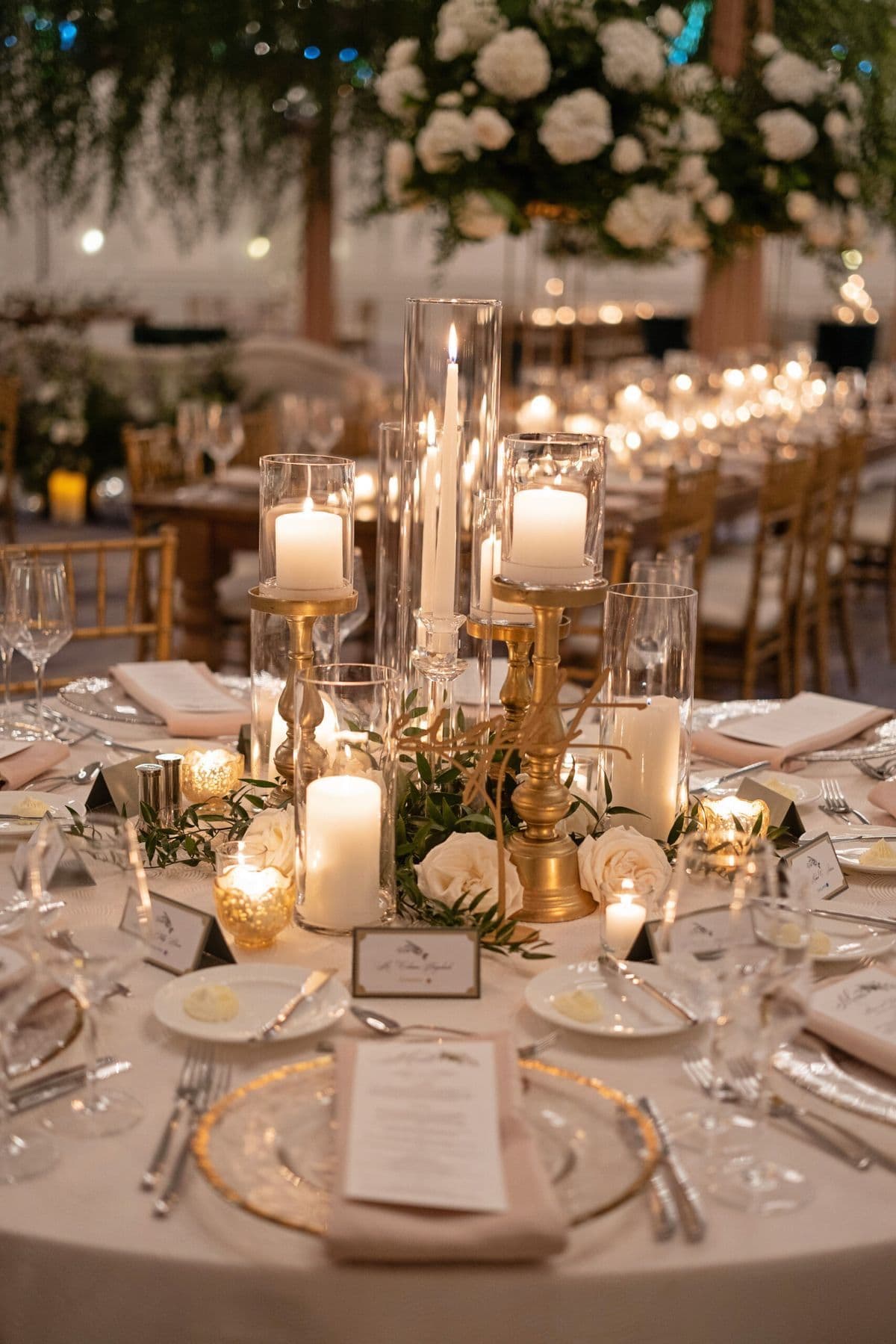
a couple books their dream photographer in March, three weeks after getting engaged, because she was the vendor they were most excited about. great choice. then in June they tour a venue they love, and the venue has an exclusive catering contract with a $185 per person minimum and a 120-guest floor. their photographer's package was built around an 8-hour day at a venue 40 minutes away. now there's a travel fee, a second shooter they didn't plan for, and a catering bill that ate the flowers, the band, and most of the honeymoon.
nothing they did was wrong. the order was wrong.
when the budget is tight, the order you book vendors in matters more than the vendors themselves. some decisions close doors on future decisions. some don't. the whole game is moving through the ones that close doors first, while you still have leverage and options, and saving the flexible stuff for later when you actually know your numbers.
here's the order.
the short version
- venue — locks the date, guest count, and catering rules
- photographer — books 12-18 months out and has no off-season
- caterer — food is 30-40% of most wedding budgets
- band or DJ — live music books fastest, $3,000-8,000, DJ at $1,200-2,500 is the swap
- officiant — $300-800 and gets overlooked until too late
- florist — 8-10% of budget, spikes with season, negotiate early
save that. now here's why each one sits where it sits.
01. the venue goes first, full stop
every other quote you will ever receive depends on this one. not loosely. structurally.
the venue sets three things at once:
- your date, which determines whether you're paying peak-season or off-season rates on literally every other line item
- your guest count, because the room holds what it holds, and that number multiplies through catering, rentals, invitations, favors, and transportation
- your catering rules, which is the one people underestimate
that third one is where budgets break. a lot of venues have exclusive caterers or an approved-vendor list, which means the moment you sign, you've also signed away your ability to shop food. others allow outside catering but charge a buyout fee, or require you to rent the kitchen, or add a per-person service charge on top of whatever your caterer quotes. some require you to use their bar, at their pricing, with no substitutions.
you cannot evaluate any of that after the fact. you evaluate it before you sign, or you inherit it.
what to ask before you sign a venue contract
- is catering exclusive, preferred-list, or open? if open, what's the outside-catering fee?
- what's included in the rental (tables, chairs, linens, setup, teardown, staff)?
- what are the actual hours, and what does an overtime hour cost?
- is there a food and beverage minimum, and does the service charge count toward it?
- what's the guest count floor, not just the ceiling?
if the venue can't answer these in writing, that's information too. more on venue contract language in our contracts posts.
02. the photographer goes second, before you lose the date
this one surprises people, and it shouldn't.
good photographers book 12-18 months out and do not have an off-season. a caterer's January is quiet. a florist's February is quiet. a photographer who shoots weddings, engagements, elopements, and branding sessions is working year-round, and the Saturdays in your target range get claimed fast by couples who got engaged before you did.
waiting costs you 15-20% more or the date. either you're paying a rush premium, paying for a more expensive photographer because the one in your range is gone, or you're moving your date to accommodate availability. all three are worse outcomes than just booking in month two.
the counterargument is "but I don't know my budget yet." you know enough. you know your venue cost, which means you know roughly what's left. photography typically lands somewhere in the low double digits as a percentage of total spend, and the range in your market is knowable in an afternoon of asking. get three quotes, compare what's actually in each package (hours, second shooter, engagement session, album, delivery timeline, raw file policy), and sign.
watch for these in photography quotes
- hours that don't cover your timeline. an 8-hour package that starts at getting-ready and ends before the send-off isn't an 8-hour package, it's a problem you'll pay overtime to fix at a higher hourly rate.
- travel fees that appear later. ask for the mileage radius in writing.
- "digital files included" with a delivery window of 12+ weeks. that's not a dealbreaker, but know it going in.
- no second shooter on a 150+ guest wedding. one person cannot cover a ceremony and a cocktail hour simultaneously.
03. the caterer locks in third and protects everything below it
food is 30-40% of most wedding budgets. that's not a small slice you can adjust at the end. that's the single largest variable in your entire plan, and until it's locked, no other number you write down is real.
this is the whole reason the caterer goes third instead of sixth. once your food cost is a fixed, contracted number, everything below it on the list becomes a genuine decision instead of a guess. you can look at what's left and say "we have this much for music, this much for flowers." before that, you're allocating money you might not have.
if your venue has exclusive catering, congratulations, this step is already done for you (see why the venue goes first). if you have flexibility, get three quotes on the same menu structure so you're comparing like to like, and make sure every quote includes:
- per-person food cost
- bar package or corkage, itemized
- service charge and administrative fee (these are different things, and neither is the tip)
- staffing count and hours
- rentals, if they're providing them
- tax, applied after the service charge in most states
that last point catches people. a $150 per person menu with a 22% service charge and 8% tax is not $150 per person. run the actual math before you sign, not after. we go deeper on this in hidden costs.
04. music: the $3,000-8,000 decision you can control
live music books fastest of anything in this tier, and a band runs $3,000-8,000 depending on size, market, and how long they play. if a live band is non-negotiable for you, it belongs at position four and you should be booking it the same month you lock catering, because the good ones in your market are a short list and that list empties.
a DJ at $1,200-2,500 is the budget-tight swap, and it's a real one, not a consolation prize. the gap between the two options is roughly the cost of your photographer. that's the tradeoff stated plainly: band, or photographer-sized room in your budget for something else.
if you go DJ, ask whether the quote includes ceremony sound, cocktail-hour coverage, uplighting, and an MC role, because those are frequently separate line items and a $1,200 base can become $2,000 fast.
05. the officiant costs $300-800 and gets forgotten
this is the smallest number on the list and the one that causes the most late-stage panic.
an officiant costs $300-800 and gets overlooked until too late. couples spend eleven months on centerpieces and then realize in week forty-eight that nobody is legally marrying them. by then the officiants who are actually good at this (the ones who write a real ceremony, who run a rehearsal, who handle the license paperwork correctly) are booked.
book before the florist, not after. it's a few hundred dollars and twenty minutes of your time, and it removes a genuine failure point.
while you're at it, look up your state's marriage license requirements. some have waiting periods. some expire in 30 days. some require both parties to appear in person at the county clerk. that's not a vendor cost but it is a deadline, and it belongs on the same to-do as the officiant.
06. the florist goes last, and that's leverage
florals average 8-10% of budget but spike hard with season. peonies in May, anything near Valentine's Day, garden roses in a bad growing year. the cost is not fully in your florist's control, which is exactly why negotiating early is how you hold the line.
going last doesn't mean going late. it means you approach the florist knowing your venue (which dictates how much you actually need), your date (which dictates what's in season), and your remaining budget (which dictates the honest number you can name out loud). that's a much stronger conversation than "what do weddings usually cost?"
tell a good florist your real number and your real priorities. a florist who knows you have $2,400 and care most about the ceremony arch will design to that. a florist who gets a vague brief will quote you a vague, expensive proposal and you'll spend three rounds cutting it down.
red flags across all six
- a quote with no itemization. one number for "wedding package" is not a quote, it's a vibe.
- pressure to sign at the tour. "this date won't hold past today" is sometimes true and often not. ask them to hold it 48 hours in writing.
- deposits over 50% before the final six months. nonstandard in most markets.
- verbal promises that aren't in the contract. if the venue coordinator says the setup fee is waived, it goes in the contract or it doesn't exist.
- service charges described as gratuity. they're usually not, and you may still be tipping on top.
the actual takeaway
nothing on this list is about cutting corners. it is about knowing which decisions close the doors on future decisions, and moving in that order.
- venue first, always, because it sets date, guest count, and catering rules
- photographer second, within 60 days, because waiting costs you 15-20% more or the date
- caterer third, because 30-40% of your budget can't stay a variable
- music fourth, with a clear-eyed look at $3,000-8,000 band vs $1,200-2,500 DJ
- officiant fifth, $300-800, book it before you think about flowers
- florist sixth, with your real number in hand and room to negotiate
get every quote in one place so you can see what each decision does to the ones after it. add your quotes free and see the full picture before you sign anything.
Frequently asked questions
- Why does the venue have to be booked before anything else?
- Because it sets three things at once: your date, your guest count, and your catering rules. The date determines peak versus off-season pricing on every other vendor. The guest count multiplies through catering, rentals, invitations, and transportation. And catering rules are the big one, since many venues have exclusive caterers, approved-vendor lists, or outside-catering buyout fees. If you book a caterer or photographer first, you may end up paying travel fees, rebooking, or eating a contract you can't use. Every other quote you receive depends on the venue contract.
- How far in advance should I book a wedding photographer?
- Aim for 12 to 18 months out, and treat it as your second booking after the venue. Photographers do not have an off-season the way caterers and florists do, because they shoot engagements, elopements, and branding sessions year-round. Waiting costs you 15-20% more or the date, meaning you either pay a rush premium, move up to a more expensive photographer because your first choice is gone, or shift your date around availability. Book once you know your venue and date, even if the rest of your budget is still rough.
- Is a DJ actually a good substitute for a live band?
- Yes, and it's a real option, not a downgrade. Live bands run $3,000-8,000 depending on size, market, and set length, while a DJ typically runs $1,200-2,500. The difference is roughly the cost of a photographer, so it's worth naming that tradeoff out loud. If you go DJ, confirm whether the quote includes ceremony sound, cocktail-hour coverage, uplighting, and MC duties, because those are often separate line items and a $1,200 base can climb toward $2,000 quickly.
- Why does the officiant go before the florist if it's the cheapest vendor?
- Because it's the one people forget entirely. An officiant costs $300-800, which makes it easy to push off, but the good ones (the ones who write a real ceremony, run the rehearsal, and handle license paperwork correctly) book out just like everyone else. Couples routinely spend a year on centerpieces and realize late that nobody is legally marrying them. It takes twenty minutes and a few hundred dollars to remove a genuine failure point. While you're at it, check your state's marriage license waiting period and expiration rules.
- What percentage of a wedding budget should food and flowers take?
- Food is typically 30-40% of most wedding budgets, which is why the caterer gets locked in third. Until that number is contracted, nothing below it on your list is real. Florals average 8-10% of budget, but that figure spikes with season and specific flower availability. Because floral cost is partly outside your florist's control, negotiating early with a real number in hand is the main lever you have. Go to your florist knowing your venue, date, and remaining budget, and name your actual figure.