6 Places to Cut a Wedding Budget Guests Never Notice
Six wedding budget cuts guests never notice, from beer-and-wine bars to Friday venues. Real line items, real savings, and what not to cut instead.
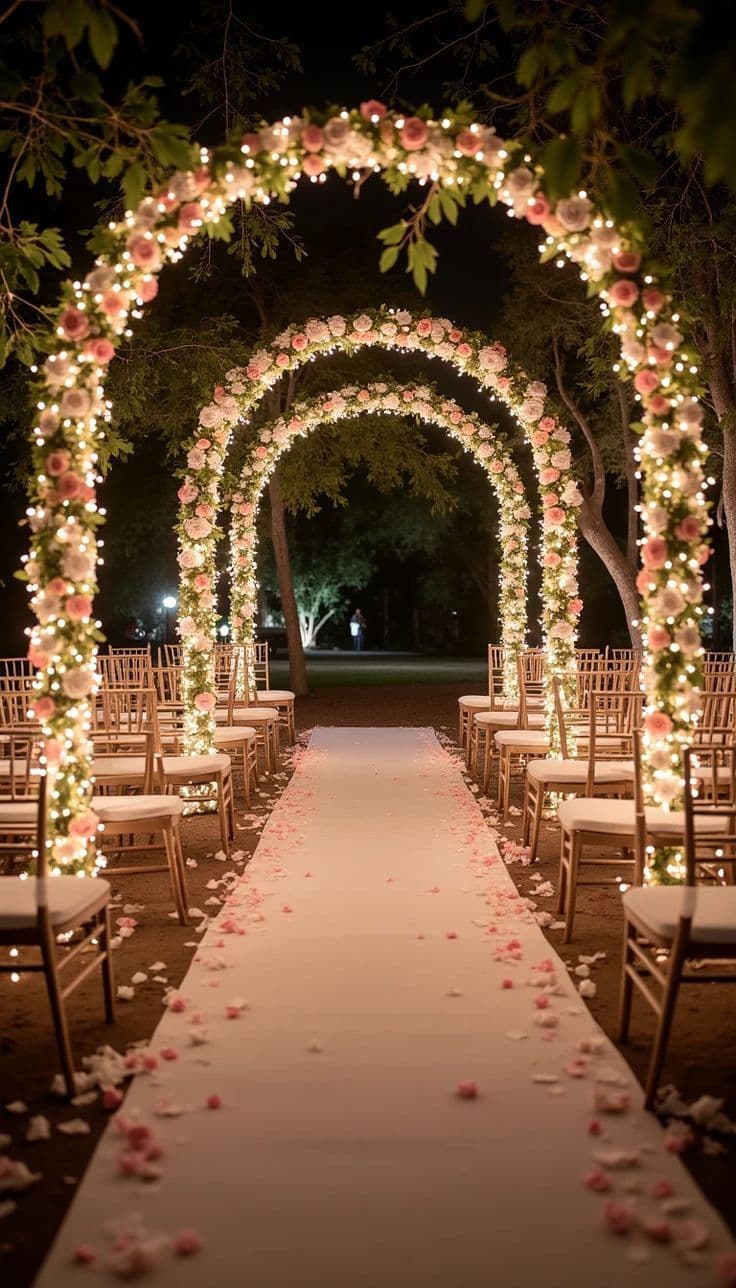
Two couples got married at the same venue, three weeks apart, same room, same caterer. One spent about $41,000. The other spent about $31,000. Guests at both weddings said the same thing on the way out: that was gorgeous, I had the best time.
The $10,000 gap wasn't a downgrade. It was six line items quietly adjusted before anything got signed. No one at the reception clocked a single one of them.
That's the useful distinction most budget advice skips. There are cuts that show and cuts that don't. Cutting the photographer's hours shows (you lose the last dance). Cutting the open bar down to beer and wine does not show, because nobody at a wedding has ever stood at the bar thinking about the negroni they can't have while a drink is already in their hand.
Here are the six places couples quietly trim without anyone at the reception ever noticing, with the actual ranges.
1. The bar package
Beer and wine only saves $20-40 per head, and no one leaves unhappy.
Full open bar is one of the most aggressively upsold line items in catering. Premium spirits, a specialty cocktail per person, liqueurs for after dinner, a champagne toast poured for all 120 guests whether they drink it or not. Each of those is a separate charge on the invoice.
Beer and wine only, with a decent selection of both, cuts $20-40 per head. At 120 guests that's $2,400 to $4,800. Nobody has to know it was a decision rather than a house policy, because plenty of venues do beer and wine only by default.
If the thought of no cocktails at all bothers you, the middle path is beer, wine, and one signature cocktail batched in advance. You keep the photo op and the "our drink" moment, and you skip stocking a full back bar for the four people who order an old fashioned.
the watch-for on bar
Per-person bar packages are priced for average drinkers over a set number of hours. If your crowd genuinely does not drink much, ask about consumption-based billing instead. If your crowd drinks a lot, the per-person package is protecting you. Ask the caterer which way the math runs for your guest count before you pick.
2. Cake size
A smaller display tier plus a sheet cake cuts cost by 30-50%, same servings.
Tiered cake is priced per serving, and the tiers are labor. Every additional tier means more structure, more decorating hours, more frosting done by hand. A four-tier cake that serves 150 is not just bigger than a two-tier cake, it's substantially more skilled work.
The workaround bakers themselves suggest: order a small display cake (two tiers, beautifully finished, the one you cut in the photos), and back it with sheet cakes in the same flavor, kept in the kitchen and sliced out of sight. Same number of servings, 30-50% less cost.
Guests are handed a plate with a slice of cake on it. There is no version of that moment where they can tell whether the slice came off the pretty tower or a sheet pan in the back.
3. Floral scale
Greenery-forward arrangements cost 40-60% less than bloom-heavy centerpieces.
Flowers are priced by stem, and the expensive part is the blooms, especially the ones that have to be imported or are out of season. Greenery is cheap by comparison, fills volume fast, and photographs beautifully.
A greenery-forward centerpiece (eucalyptus, olive branch, ruscus, with a handful of focal blooms) reads as lush and intentional. A bloom-heavy centerpiece of the same visual size can cost more than double. That's the 40-60% swing.
Where to spend your remaining floral dollars, in priority order:
- Your bouquet. It's in a hundred photos, held at chest height, and it's the one arrangement people look at closely.
- The ceremony focal point. An arch, an altar arrangement, whatever you stand in front of. It's the backdrop for the vows.
- Anything that gets repurposed. Ceremony aisle arrangements that move to the head table, bridesmaid bouquets that become centerpieces. Ask your florist to plan for this explicitly and put it in the contract.
- Centerpieces. Last. They're at table level, half-blocked by glassware, and they're where greenery earns its keep.
4. The paper suite
Digital invites plus one printed menu card saves $400-900 and nobody notices.
A full printed suite is invitation, envelope, RSVP card, RSVP envelope, details card, postage both directions, and often a calligrapher for addressing. Printed programs, place cards, menu cards, table numbers, escort cards, welcome signage. It adds up quietly and it all gets thrown away by Sunday.
Digital invitations with a wedding website for details, plus one nicely printed menu card per place setting, saves $400-900. The menu card is the piece that does the work. It sits on the plate, it's in the flat-lay photos, and it signals "this was designed" more than the envelope your invitation arrived in three months earlier.
the exception worth paying for
If a chunk of your guest list is over 70, mail them a paper invitation. Not because they can't use a link, but because some people want the physical thing on the fridge, and printing thirty invitations instead of a hundred still keeps most of the savings.
5. Guest count
Cutting 10 guests saves $1,500-3,000 after catering, venue, and florals compound.
This is the biggest lever on the list, and it's the one couples resist hardest.
Per-head catering is the obvious part, but it's not where most of the money is. Ten fewer guests means one fewer table, which means one fewer centerpiece, one fewer linen rental, ten fewer chairs, ten fewer place settings, ten fewer bar servings, ten fewer favors, ten fewer slices of cake. It might mean a smaller tent, or that you fit in the venue's lower-priced room tier instead of the larger one.
That compounding is why 10 guests is $1,500-3,000 back and not $700. And it works in the other direction too, which is why "we'll just add a few" is the sentence that quietly breaks budgets in month seven.
The practical move: build your list in tiers (A, B, C) before you fall in love with a venue, and let the tiers absorb the cuts instead of arguing guest by guest. If you're building a list from scratch, our guide to planning your budget around headcount walks through how to sequence that.
6. Day of week
Friday or Sunday venues run 20-30% less than Saturday, same room, same vibe.
Saturday in peak season is the single most expensive variable in your wedding, and it buys you nothing except the day itself. The room is identical. The staff is identical. The food is identical. The photos are identical.
Friday evening and Sunday afternoon weddings run 20-30% off the venue rate at most places, and that discount often extends to caterers, photographers, and bands with open calendars. On a $12,000 venue that's $2,400 to $3,600 without touching a single guest-facing detail.
The honest tradeoff: some out-of-town guests will find a Friday harder, and a Sunday means people leave earlier. Give everyone a long lead time on the date and it mostly sorts itself out. Plenty of couples find their Friday wedding had better attendance than their friends' Saturday one, because there were fewer competing weddings that weekend.
Red flags: the cuts that actually show
Not everything is safe to trim. These are the ones that guests, and you, will notice:
- Photographer or videographer hours. Cutting the last hour is how you lose the sparkler exit and the dance floor. The coverage window is the product.
- Food quantity. Portion sizes and passed appetizer counts are the fastest way to a room full of hungry people. Change the menu (chicken instead of filet, buffet instead of plated), not the amount.
- Guest transport or parking. If your venue is remote and you cut the shuttle, you've created a logistics problem that follows guests all night.
- Chairs, glassware, and linens down to the cheapest tier. Folding chairs and paper-thin linens read as budget in every single wide shot.
- A planner or day-of coordinator, if your venue doesn't provide one. This is the cut that gets paid back in fixed mistakes.
Also watch for the fake cut: a vendor who "discounts" the package by removing something you assumed was included. If the price drops and you can't name exactly what left the scope, get the revised itemized quote in writing before you say yes. Our contracts breakdown covers what should be itemized line by line.
The short version
None of these read as budget on the day. That's the whole point. The cuts that sting are the ones that show. These ones don't.
- Bar: beer and wine only, saves $20-40 per head.
- Cake: small display tier plus sheet cake, 30-50% less for the same servings.
- Florals: greenery-forward centerpieces, 40-60% cheaper than bloom-heavy.
- Paper: digital invites plus one printed menu card, saves $400-900.
- Guest count: trim 10 names, get $1,500-3,000 back once catering, venue, and florals compound.
- Date: Friday or Sunday instead of Saturday, 20-30% off the venue, same room, same vibe.
Do the math on all six before you sign anything, because the order you book in determines which cuts are still available to you. Venue and date lock first, and they lock your guest ceiling with them.
Add your quotes free at Altared and track every line item before you sign.
Frequently asked questions
- What is the single biggest wedding budget cut guests won't notice?
- Guest count, by a wide margin. Cutting 10 guests saves $1,500-3,000 because catering, venue, and florals all compound. Ten fewer people usually means one fewer table, one fewer centerpiece, one fewer linen, ten fewer place settings, ten fewer bar servings, and sometimes a smaller room tier entirely. Nobody who attends can tell that ten other people were invited to a different version of the day. The catch is that it has to happen early, before you fall in love with a venue priced for a headcount you no longer have.
- Will guests really not notice a beer-and-wine-only bar?
- In practice, no. Beer and wine only saves $20-40 per head, and no one leaves unhappy, because guests get a drink in hand within a minute of asking. Most people don't audit the back bar. If it still worries you, add one batched signature cocktail. You keep the photo moment and the personal touch while skipping the cost of stocking premium spirits, liqueurs, and a champagne pour for every guest whether they drink it or not. Ask your caterer whether per-person or consumption-based billing is cheaper for your crowd.
- Does a sheet cake actually taste the same as a tiered cake?
- Same baker, same recipe, same flavor, yes. What you're paying for in a tiered cake is structure and decorating labor, not better cake. Order a small two-tier display cake for the cutting photos and back it with sheet cakes in the same flavor, sliced in the kitchen out of sight. That cuts cost by 30-50% for the same number of servings. Guests are handed a plate with a slice on it, and there's no moment in the night where they can tell which pan it came from.
- How much cheaper is a Friday or Sunday wedding?
- Friday or Sunday venues run 20-30% less than Saturday, and that's the same room, same staff, same food, same photos. On a $12,000 venue, that's $2,400 to $3,600 back. The discount often extends to photographers, caterers, and bands with open calendars, so ask every vendor whether their rate changes by day of week. The tradeoff is logistics: Friday is harder for out-of-town guests and Sunday means people leave earlier. Give a long lead time on the date and attendance usually holds up fine.
- Which wedding costs should I not cut?
- Photographer and videographer hours (cutting the last hour loses the exit and the dance floor), food quantity (change the menu, not the portions), guest transport if your venue is remote, and the cheapest tier of chairs, glassware, and linens, which read as budget in every wide shot. Also be careful with a day-of coordinator if your venue doesn't include one. And watch for the fake cut: if a vendor lowers the price and you can't name exactly what left the scope, get a revised itemized quote in writing first.