3 Red Flags in a Florist's First Proposal (Before You Sign)
A florist's first proposal is a contract preview. Learn the 3 red flags that quietly cost you, plus the delivery and setup fees averaging $150-400 extra.
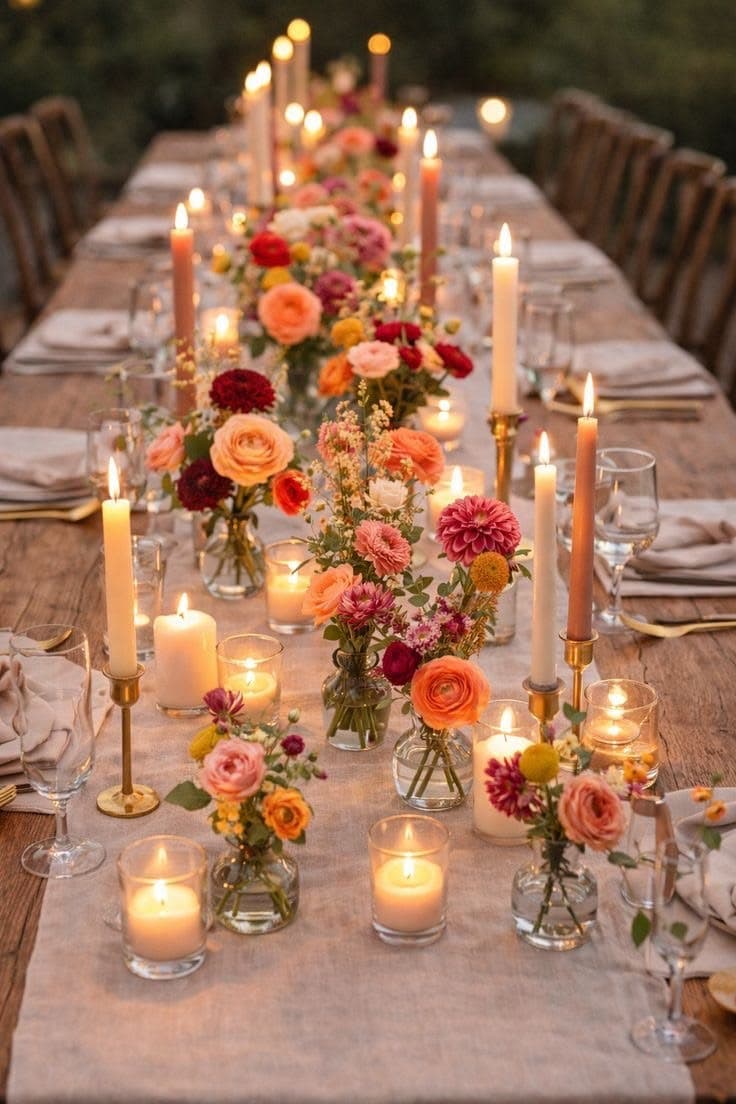
You fell in love with the mood board. Blush peonies spilling over the head table, garden roses down the aisle, that one photo of a bouquet you screenshotted six times. Then the florist emails a two-page PDF with a single number at the bottom, and you're so relieved it's "in budget" that you reply "this looks perfect, where do I sign?"
That PDF is not a mood board. it's a contract preview. And three things buried in it will cost you if you skim past them.
None of this is unusual. Florists aren't villains, and most of them aren't hiding anything on purpose. It's just that the opening quote is written to sell you the aesthetic, not to explain the fine print. The fine print gets explained later, usually after you're already committed and emotionally attached to the peonies. Reading the proposal line by line before you fall in love is the whole move.
Here are the three flags to find in your own quote.
Flag 1: no itemization
The first proposal often arrives as one lump total. "Full floral package: $4,800." It looks clean. It feels decisive. And that single number hides markup on individual stems and arrangements that you have no way to check.
Itemization matters because flowers are priced per stem, and stems vary wildly in cost. A quote that just says "bridal bouquet" tells you nothing. A quote that says "bridal bouquet: 9 garden roses, 5 ranunculus, greenery, $185" tells you exactly what you're paying for and lets you adjust. Want to cut $60? Now you can see which stems to swap. With a lump total, you're negotiating blind.
what to ask for
Send one email before you sign. Ask your florist to break the proposal into:
- Stem counts per arrangement (how many of each flower in the bouquet, centerpieces, aisle pieces, and any installations)
- Per-arrangement cost, not just a package total
- A labor or design line, if they charge one, listed separately from flowers
- Quantities on everything repeated (how many centerpieces, how many boutonnieres, how many bud vases)
A good florist will send this without flinching. Itemizing is normal, professional, and it protects both of you. If a florist refuses to break down the total or gets defensive about stem counts, that's your answer about how the rest of the relationship will go.
The point isn't to nickel and dime someone doing beautiful work. it's that you can't budget against a number you can't see inside of. Itemization turns a wall into a menu.
Flag 2: vague substitution language
Somewhere in the proposal, usually in small text near the bottom, you'll find a substitution clause. It exists because flowers are seasonal and markets fluctuate. If a wholesaler can't get peonies the week of your wedding, the florist needs the flexibility to swap. That's fair.
What's not fair is the phrasing "similar flowers." Those two words give a florist the legal room to swap your peonies for something half the price at the same price to you. Peonies and carnations can both be described as "similar" (both round, both come in blush) but they are not similar in cost, and a "similar flowers" clause lets them make that swap without a conversation.
You priced the wedding around peonies. You budgeted for peonies. You should get peonies, or a real discussion if you can't.
how to fix the clause
You don't need to delete substitution language. You need to tighten it. Ask your florist to rewrite it to include:
- A commitment to substitute at "equal or greater value" (in writing, in the contract)
- A promise to contact you before swapping any "hero" flower (your primary bloom, the one the whole palette is built on)
- Named alternatives you've pre-approved, so a last-minute change stays inside your taste
"Substitutions of equal or greater value, with notice to the client for any primary flower" is a sentence a reputable florist will happily agree to. If they push back on committing to equal value, ask yourself why. The honest ones want you to trust them. Vague language only benefits the person who wrote it. For more on where contract wording quietly costs couples, our other posts under /blog/category/contracts go deeper.
Flag 3: the fees that never make the opening quote
Here's the one that surprises people the most. Delivery, setup, and breakdown fees average $150-400 extra and almost never appear in the opening quote.
Think about what your florist actually does on the wedding day. They drive the arrangements to the venue (sometimes two venues, ceremony and reception). They set up the installations, place the centerpieces, pin the boutonnieres, style the head table. Then, at the end of the night, someone comes back to break everything down and haul away the vases and structures they're renting to you.
That's labor, transportation, and time. It's real work, and it costs real money. The issue is that it rarely shows up in the first proposal, so the number you fall in love with is not the number you pay.
a quick example
Say the opening proposal reads $4,800 and feels comfortable against your flowers budget. Then the final contract adds:
- Delivery to ceremony and reception: $175
- Setup and installation labor: $150
- End-of-night breakdown and vessel return: $125
That's $450 you didn't plan for, and you're now at $5,250 on a line you thought was settled. Even at the low end of the $150-400 range, this is the difference between on budget and over. Ask directly: "Does this quote include delivery, setup, and breakdown, or are those billed separately?" Get the answer in writing before you sign, not after.
While you're at it, ask about a few other line items that love to hide: rental fees for vessels and structures (arches, stands, candelabras), a damage or replacement deposit, travel or mileage if your venue is far out, and taxes. Any single one can move your total.
watch for these while you read
Beyond the big three, a few smaller signals tell you how a florist runs their business. Keep an eye out for:
- A proposal with no date, no venue, and no client name on it. A real contract is specific to your wedding, not a template they forgot to customize.
- A deposit that's non-refundable and unusually high (more than 50% before they've done any work) with no clear cancellation terms.
- No mention of who owns or returns the rented vessels, which is how surprise "missing vase" charges appear later.
- Pressure to sign fast to "lock the date" before you've had time to read the whole thing. Urgency is a sales tactic, not a deadline.
- A total that's suspiciously lower than every other quote you got. Cheap flowers usually mean the substitution clause is doing a lot of work.
None of these automatically means "walk away." They mean "ask one more question before you sign." The florists worth booking answer those questions easily.
why the first proposal is written this way
It helps to understand the incentive. The first proposal is a sales document. Its job is to get you excited and get you to reply. A lump total looks simpler than a line-item breakdown. Flexible substitution language makes the florist's life easier. Leaving fees off the opening quote keeps the headline number low.
That's not necessarily deception. It's just that the proposal is optimized to close, not to inform. Your job is to convert that sales document into a clear contract before money changes hands. The single best time to negotiate anything is before you've signed and before you've told all your friends you found "the one." Once you're attached, your leverage is gone.
Read every quote line by line. Compare them side by side. The florist who itemizes clearly, commits to equal-or-greater substitutions, and lists their fees up front is often the better hire even at a slightly higher headline price, because you actually know what you're buying.
the quick version to save
Before you sign any florist proposal, check for all three:
- Itemization. Ask for stem counts and per-arrangement costs. If it's one lump total, request a breakdown before you commit.
- Substitution language. Replace "similar flowers" with "equal or greater value, with notice on primary blooms," in writing.
- Missing fees. Confirm whether delivery, setup, and breakdown (averaging $150-400 extra) are included or billed separately, plus rentals, deposits, and travel.
Do this before you fall in love with the aesthetic, not after. Save this for proposal day, send it to the friend who just got engaged, and if you want to scan your own florist quotes for every one of these flags, you can check yours free when you get started at /get-started.
Frequently asked questions
- What should be itemized in a florist proposal?
- A clear florist proposal breaks the total into per-arrangement costs with stem counts, not one lump sum. You want to see how many of each flower goes into your bouquet, centerpieces, and installations, the quantity of every repeated item (centerpieces, boutonnieres, bud vases), and any design or labor charge listed on its own line. This lets you see exactly what you're paying for and adjust the budget by swapping specific stems. A reputable florist will provide this without hesitation.
- What does a substitution clause mean in a florist contract?
- A substitution clause lets your florist swap flowers if a specific bloom isn't available the week of your wedding, since flowers are seasonal and markets change. The problem is vague wording like "similar flowers," which can let them replace peonies with a cheaper option at the same price. Ask for the clause to read "substitutions of equal or greater value," with a promise to contact you before swapping any primary or hero flower. That keeps the flexibility fair and protects the budget you built.
- How much do florist delivery and setup fees cost?
- Delivery, setup, and breakdown fees average $150-400 extra and rarely appear in the opening quote. That covers driving arrangements to your venue (sometimes two), setting up installations and centerpieces, and returning at the end of the night to break everything down and collect rented vessels. On a $4,800 proposal, these fees can push your real total to $5,250 or more. Always ask in writing whether they're included or billed separately before you sign.
- When should I negotiate a florist contract?
- Before you sign and before you fall in love with the mood board. The opening proposal is a sales document written to get you excited, so your leverage is highest while you're still comparing quotes. Read every proposal line by line, ask for itemization, tighten the substitution language, and confirm all fees up front. Once you've signed and told everyone you found your florist, you lose the room to negotiate. A quick email with your questions is normal and expected.