Who Pays for What in the Wedding Party: 6 Rules That Changed
Who pays for what in the wedding party has changed. Here are 6 rules on dresses, hair, bachelorette trips, gifts, and vendor tips, plus what to say out loud.
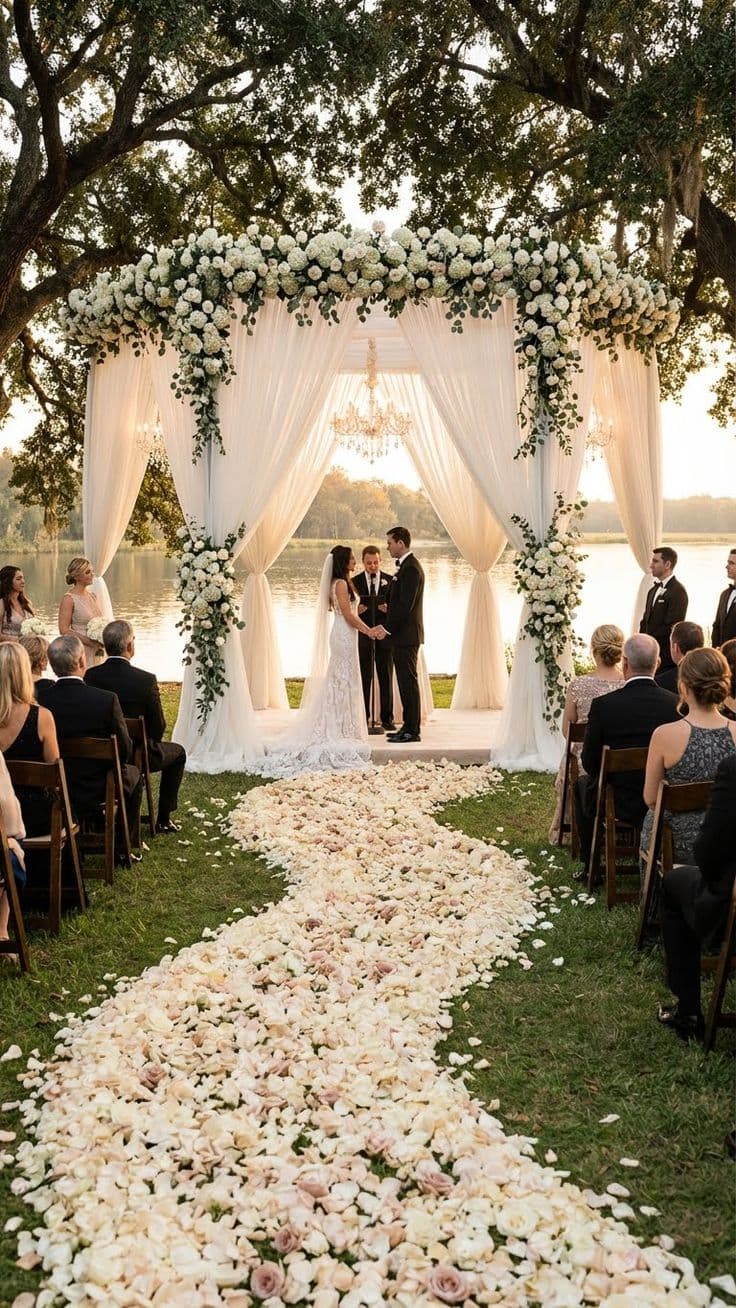
A friend of mine asked five women to be bridesmaids over a group text, and by the time the wedding rolled around, two had quietly bowed out. Not because of drama. Because nobody said out loud what it was going to cost, and by the time the dress invoice, the hair quote, and the flight to the bachelorette all landed in the same month, they couldn't swing it. That's the thing nobody tells you: most wedding party friction isn't about the event itself. It's about money that never got discussed.
The old rules on who pays for what are shifting. If you don't know which ones changed, you can accidentally put a cost on the wrong person or set an awkward expectation before the wedding even starts. So here are the six rules that matter most, what's traditional, what's actually happening now, and the real dollar figures behind each one.
Rule 1: Attire, and the quiet reason people drop out
Traditionally, bridesmaids pay for their own dresses. That's still the default, and the average lands around $150-250 per dress depending on the designer and whether alterations are included.
Here's what changed. More couples now cover attire fully, and the reason is practical, not just generous: it reduces dropout. When you ask someone to stand next to you and then hand them a bill, you've turned an honor into an expense. Covering the dress removes the single most common reason people back out of a wedding party.
You don't have to go all or nothing. A few middle-ground options:
- Cover the dress, let them handle shoes and jewelry they'll actually re-wear.
- Set a hard price cap ($200 or under) and pick styles inside it.
- Let them choose any dress in a color and length, so they buy something they'll wear again.
- Cover alterations only, which is often the surprise cost people forget.
Whatever you choose, say it when you ask, not after they've said yes.
Rule 2: Hair and makeup went from bonus to baseline
The artist typically charges $100-200 per person on the day. For decades, each bridesmaid covered her own.
That expectation has flipped. The couple covering hair and makeup is now closer to expected than a bonus. Part of it is fairness (you're asking everyone to match a specific look you chose), and part of it is logistics. When you require a uniform style, you're really requiring a purchase, and it feels off to mandate a $150 service and then bill it back to your friends.
If your budget can't stretch to cover everyone, be direct about it. "I'd love for us all to get our hair done, and it runs about $100-200 a person, so no pressure either way" is a real sentence you're allowed to say. Half the resentment in wedding parties comes from people assuming they know the plan and guessing wrong.
A quick math check
Five bridesmaids, hair and makeup at $150 each, is $750. Add dresses at $200 each and you're at $1,750 in party attire and beauty if you cover both. That's a real line item, and it belongs in your budget from day one, not discovered in month nine. For more on catching costs early, our budgeting posts walk through building the full picture.
Rule 3: The bachelorette is on the group, not the bride
This one hasn't flipped, and it's worth protecting. Bachelorette costs split among the attendees. The bride pays nothing for her own trip.
What has changed is the price tag. The average attendee now spends $300-500 per trip, and that's often on top of the dress, the hair, the gift, and travel to the wedding itself. Add it up across a year and a single wedding can cost a guest well over a thousand dollars.
You can't control what your friends spend, but you can protect them from a blowout:
- Ask what people can comfortably afford before anyone books flights.
- Let one organizer collect a per-person cap and plan inside it.
- Offer a shorter or closer-to-home option for anyone stretched thin.
- Make it clear that "can't make the trip" doesn't mean "not a real bridesmaid."
The bride paying nothing is correct etiquette. The bride pretending a $500-per-person weekend costs nothing to attend is where feelings get hurt.
Rule 4: Gifts for the party, and why skipping them gets noticed
The couple gives each wedding party member a thank-you gift, usually in the $50-150 range. This is the one people are most tempted to cut when the budget gets tight, and it's also the one that's noticed more than it used to be.
You don't need to spend at the top of the range. A thoughtful $50 gift beats a generic $150 one. The point is acknowledgment: these people spent money and time to be part of your day, and a gift closes that loop. Skipping it entirely reads as an oversight even when it isn't one.
Ideas that land inside the range:
- Something they picked out (a dress or shoes they keep) counts as part of the gift.
- A shared experience the week of, like a spa hour, split across the group.
- Personalized items they'll actually use, not another engraved trinket.
Budget it as a real number. Five members at $100 each is $500, and that's a line item, not a rounding error.
Rule 5: The rehearsal dinner is a conversation now, not an assumption
For decades, the groom's family covered the rehearsal dinner, which averages $1,500-4,000 depending on headcount and venue. That was the assumption, and assuming it still holds is how families end up in an uncomfortable standoff.
Now it's a conversation. Couples increasingly split it, absorb it into their own budget, or work out a contribution with each side. None of those is wrong. What's wrong is assuming someone else has it handled and finding out three weeks before the wedding that nobody does.
Have the money talk with both families early. Ask directly: "Is the rehearsal dinner something you'd like to host, or should we build it into our budget?" That single question prevents the most common family blowup in wedding planning. If you want language for these conversations, our etiquette guides cover how to raise money topics without stepping on anyone.
Watch for these red flags
A few signs that a wedding-party money problem is brewing:
- You've announced a required look (specific dress, matching hair) but haven't said who's paying. That gap gets filled with anxiety.
- A family member "assumes" they're covering the rehearsal dinner, but it was never confirmed in words. Assumptions are not commitments.
- Your bachelorette is trending past $500 a head and no one has said the number out loud.
- You're planning to skip party gifts to save money without telling anyone. It gets noticed.
- Someone in your party goes quiet after you send costs. That's usually a budget problem, not a friendship one, and it's fixable if you ask.
The fix for every one of these is the same: say the number before you make the ask.
Rule 6: Vendor tips are always on you
Let's be clear on this one because it's the easiest to get wrong. Vendor tips are the couple's responsibility. You tip each vendor 10-20%, paid after the event. Your wedding party is never expected to handle that, and they should never be asked to front or split it on your behalf.
Tips add up faster than people expect. On a wedding with several vendors, 10-20% each can run into four figures. Build it in before you sign anything so it isn't a shock the week of. A simple approach:
- List every vendor who gets a tip (caterer, hair, makeup, photographer, DJ, and so on).
- Apply 10-20% to each, leaning higher for people who went above and beyond.
- Put the cash in labeled envelopes ahead of time so nobody's doing math at the reception.
- Hand tipping duty to one trusted person, but the money and the responsibility stay yours.
Tracking tips as their own line, separate from the vendor's base cost, keeps this from ambushing your final budget. Our hidden costs coverage goes deeper on the fees that don't show up on the first quote.
What to actually do with all this
The pattern across all six rules is simple: the tradition matters less than the conversation. Here's the short version to save and send to anyone who just got engaged.
- Attire ($150-250) is traditionally on bridesmaids, but covering it cuts dropout. Decide and say so up front.
- Hair and makeup ($100-200 per person) is now closer to expected on you if you're requiring a look.
- Bachelorette costs split among attendees ($300-500 per person), and the bride pays nothing, but respect what people can afford.
- Give each party member a thank-you gift ($50-150). Skipping it gets noticed.
- The rehearsal dinner ($1,500-4,000) is a conversation with both families now, not an assumption.
- Vendor tips (10-20% per vendor, after the event) are always yours. Your party never covers them.
Every one of these is a line item, and the couples who avoid awkwardness are the ones who put real numbers next to real names before the invitations go out. You can add your quotes and track every cost, free to start with no credit card, at Altared. Get the numbers on the table first. The friendships stay easy after that.
Frequently asked questions
- Do bridesmaids still have to pay for their own dresses?
- Traditionally yes, and the average dress runs about $150-250. But that rule is shifting. More couples now cover attire fully because it's the single most common reason people drop out of a wedding party. You don't have to go all or nothing. You can set a price cap, cover just the dress or just alterations, or let people choose a style they'll re-wear. The most important part is saying who pays when you ask, not after your friend has already said yes.
- How much does the average person spend on a bachelorette party?
- The average attendee now spends $300-500 per trip, and that's often on top of the dress, hair, a gift, and travel to the wedding itself. Bachelorette costs split among the attendees, and the bride pays nothing toward her own trip, which is still correct etiquette. As the bride, you can protect your friends by asking what people can comfortably afford before flights get booked, setting a per-person cap, and making clear that skipping the trip doesn't make someone any less part of the party.
- Who pays for the rehearsal dinner now?
- For decades the groom's family covered it, with an average cost of $1,500-4,000 depending on headcount and venue. That's no longer a safe assumption. Couples now commonly split it, absorb it into their own budget, or arrange a contribution with each side. None of those is wrong. What causes problems is assuming someone has it handled without confirming. Ask both families directly and early whether they'd like to host or whether you should build it into your budget. That one question prevents the most common family conflict in planning.
- Is the wedding party ever expected to tip vendors?
- No. Vendor tips are always the couple's responsibility. You tip each vendor 10-20%, paid after the event, and your wedding party should never be asked to front, split, or handle that on your behalf. Tips add up quickly across multiple vendors, so build the total into your budget before you sign contracts. A clean approach is to list every vendor who gets a tip, apply 10-20% to each, put cash in labeled envelopes ahead of time, and hand distribution to one trusted person while keeping the money and responsibility yours.
- Do I really need to give my wedding party gifts?
- It's expected, and skipping it is noticed more than it used to be. Thank-you gifts usually fall in the $50-150 range. You don't need to spend at the top of that range. A thoughtful $50 gift beats a generic $150 one, and something they picked out themselves, like a dress they keep, can count as part of the gift. The point is acknowledgment. These people spent money and time to stand with you, and a gift closes that loop. Budget it as a real line item rather than an afterthought.