The "Free" Vendor Upgrade That Costs $2K at the Door
"We'll throw that in for free" is the most expensive sentence in wedding planning. Here's how the free vendor upgrade trick adds $2K to your final invoice.
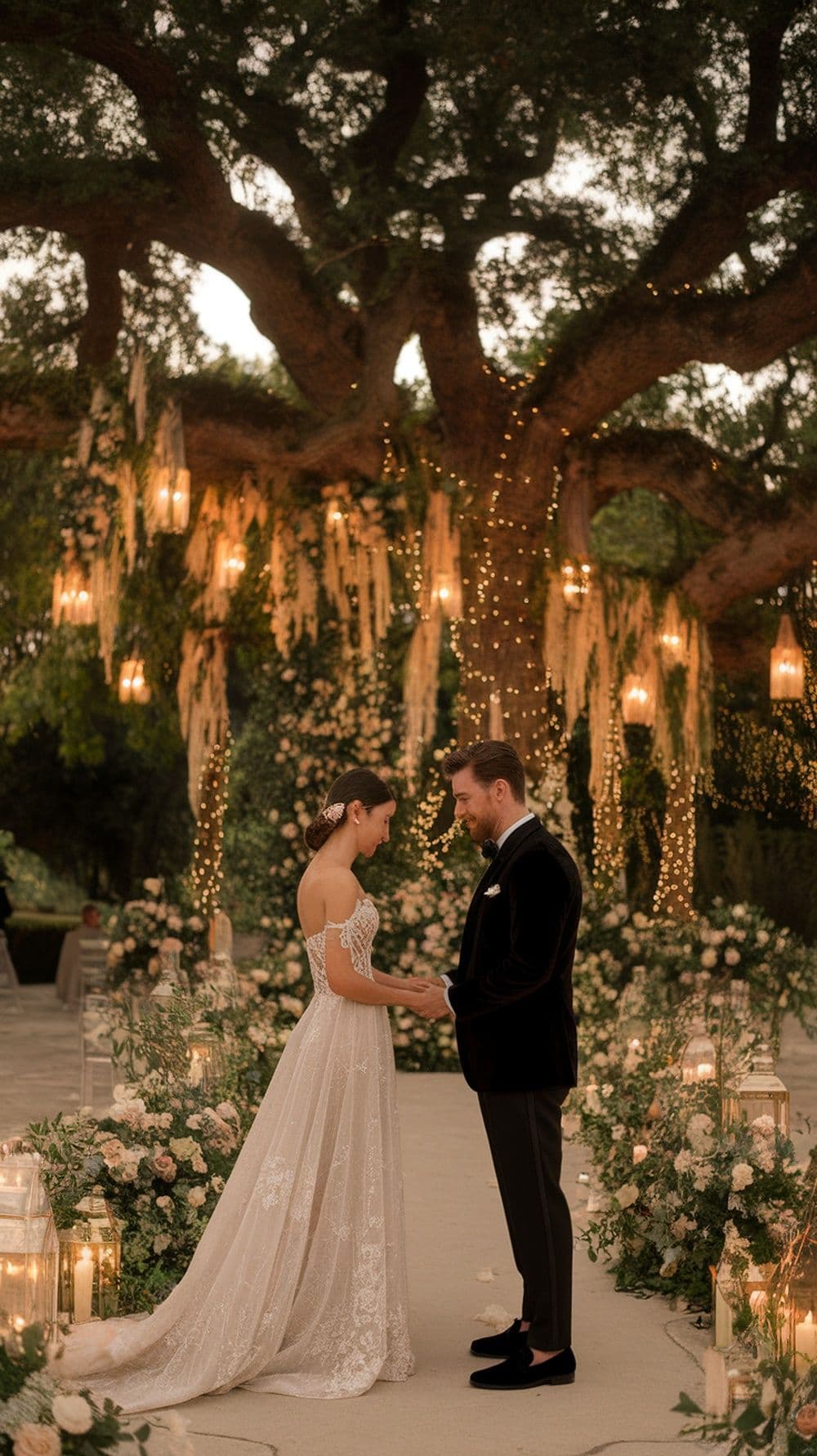
picture this: you've signed the catering contract, the venue is locked, and the bar package is "all set." three weeks before the wedding, a revised invoice lands in your inbox and it's $2,134 higher than the last one. you scroll through the line items confused, because nobody mentioned anything new. then you spot it. that "complimentary" plated upgrade your caterer offered back in june triggered a premium staffing tier. the "free" linen swap your venue threw in came with a rental surcharge. the bar package described as "on the house" required a permit your venue billed directly to you.
none of it was a lie, exactly. it was just the part of the sentence nobody finished.
"we'll throw that in for free" is the most expensive sentence in wedding planning. and the worst part is that it almost never sounds like a sales pitch. it sounds like a favor. here's how to recognize the pattern before you nod along to one.
what "free" actually means in vendor language
vendors love offering upgrades. it makes the booking conversation feel generous, it makes you feel taken care of, and it makes the contract feel like a win. the invoice tells a different story.
the phrases sound like this:
- "we'll throw that in for free."
- "it's just a small complimentary add-on."
- "no extra charge, we promise."
what they're usually leaving out is the chain reaction the upgrade kicks off behind the scenes. an upgrade is almost never just one thing. it's a tier, a setup, a staffing requirement, a rental, or a permit. when the upgrade is free, one of those downstream pieces usually isn't.
this isn't necessarily shady. some vendors genuinely aren't trying to bury you. they're just quoting the part they control. the linen company isn't their problem. the city permit isn't their problem. the staffing tier is technically a separate line item in their own pricing sheet. so when they say "free," they mean "free from me, right now, in this sentence." what they're not saying is what accepting it triggers for you.
the pattern: it happens in 3 specific ways
across hundreds of real wedding invoices, the "free" upgrade tends to show up in three predictable shapes. each one looks harmless upfront. together they routinely add $1,500–$2,200 to a final bill that looked settled weeks earlier.
1. the upgrade unlocks a higher tier
this is the most common version, and it almost always involves catering or venue service.
a caterer offers a complimentary premium service upgrade. plated instead of buffet, or family-style instead of stations. what they don't mention is that the new service style bumps you into a higher staffing tier. plated dinners require more servers per guest. that's $600 more, sometimes $900, depending on guest count.
venues do the same thing with room setups. "we'll do the elevated lounge configuration for you, no charge." what they don't say is that the upgraded configuration requires a different setup crew, more time on the floor, and possibly a longer load-in window that pushes into overtime.
the upgrade itself is free. the labor that makes the upgrade possible is not.
2. the "free" item triggers a third-party charge
this one shows up in linens, rentals, and specialty décor.
a venue offers free linen swaps. sounds great. what they don't mention is that the upgraded linens come from a separate rental company, and that company charges a surcharge for anything beyond the venue's standard inventory. the venue isn't charging you. the rental company is. you'll see it on a totally different invoice you weren't expecting.
same thing happens with chairs, glassware, and chargers. the swap is free from the vendor offering it. the actual item costs money, and that bill lands with you.
3. the upgrade requires a permit or compliance fee
bar packages are the classic example. a bar package gets described as complimentary, especially when a venue is trying to close the booking. what they don't mention is that serving alcohol at the location requires a permit fee billed directly to the couple, plus sometimes a licensed bartender requirement that the in-house staff doesn't cover.
other versions of this: sparkler exits that require a fire marshal sign-off, outdoor ceremonies that require a noise permit, food trucks that require a temporary vendor license. the vendor offering the experience isn't charging for it. the city is.
the one question that stops the bleeding
you don't need to interrogate every vendor. you need one sentence, asked before you agree to any upgrade:
"what does accepting this require, financially or logistically?"
then get the answer in writing.
that's it. that's the whole fix. the question forces the vendor to think through the downstream effects out loud, and getting it in writing makes them accountable for the answer. if they say "nothing, it's totally free," and an invoice arrives later with a $600 staffing bump, you have a paper trail.
a few variations that work just as well:
- "does this change the staffing or labor on your end?"
- "is there any third-party rental or permit involved with this?"
- "if i accept this, will anything else on the invoice change?"
- "can we add a line to the contract that says no additional fees result from this upgrade?"
most vendors will answer honestly when asked directly. the problem isn't usually dishonesty. it's that the question never gets asked, because the upgrade was framed as a gift, and you don't audit a gift.
red flags to watch for
some patterns should make you slow down before you say yes:
- upgrades offered verbally and never put in writing. if it's free, it should still appear on the contract as a $0 line item with a note about what's included.
- vague language like "premium," "elevated," or "enhanced" with no description of what the standard version is. you can't tell what changed if you don't know the baseline.
- upgrades offered late in the booking conversation, right after you've expressed hesitation about price. these are often loss-leaders that pull profit from somewhere else.
- packages where the bar, catering, and rental are billed separately but the venue is the one offering the "free" upgrade. that's a structural setup for downstream surprises.
- any vendor who can't tell you specifically what their staffing ratio is. if they can't explain how many servers per guest at each service style, they can't tell you what an upgrade actually costs in labor.
- contracts without a clause stating that no additional fees will be added without written approval. ask for one. most vendors will add it.
a real-world dollar example
here's how the math stacks in a fairly typical 120-guest wedding:
- caterer offers a free upgrade from buffet to plated. premium service tier kicks in: +$600
- venue offers free linen upgrade. rental surcharge from the linen company: +$340
- bar package described as complimentary. liquor permit fee billed to couple: +$285
- "elevated" lounge setup at no charge. setup labor overtime: +$420
- specialty chargers thrown in. rental house surcharge: +$180
total damage: $1,825. all of it from things that were described as free.
none of these are scams. they're real costs attached to real items. the issue is that they were never disclosed at the moment the "free" upgrade was offered, and by the time they show up on the invoice, you're three weeks out and not in a position to renegotiate anything.
how to track this without losing your mind
the reason this trick works is that wedding planning involves dozens of vendors, hundreds of line items, and conversations spread across email, text, phone calls, and in-person meetings. nobody can hold all of it in their head. the inconsistencies hide in the gaps.
the practical fix is to track every vendor offer, add-on, and line item side by side. when a caterer says "complimentary plated upgrade" and you log it next to the original buffet quote, the question "does this change staffing?" becomes obvious. when you can see every vendor's invoice in one place, the third-party surcharge from the linen company stops being a surprise.
this is exactly what altared is built to do. compare every vendor offer side by side, log what was promised verbally, and keep the paper trail in one place so nothing slips through. you can read more about hidden vendor costs and how to spot them earlier in the booking process.
the takeaway
before you accept any "free" upgrade:
- ask "what does this require, financially or logistically?"
- get the answer in writing on the contract, not in an email.
- check whether the upgrade involves a third party (rental house, permit office, staffing agency).
- ask whether it changes the staffing tier or service ratio.
- add a no-additional-fees clause to the contract.
- log every offer side by side so you can see the full picture before final invoices land.
vendors love offering upgrades. that's fine. just make sure the word "free" survives all the way to the final invoice.
Frequently asked questions
- Why do wedding vendors offer 'free' upgrades if they end up costing money?
- Most vendors aren't being dishonest. They're quoting the part of the bill they personally control. A caterer offering a free plated upgrade genuinely isn't charging you for the upgrade itself. What they're not factoring in is that plated service requires more staff, and the staffing tier is a separate line item in their pricing. Same with venues offering free linen swaps where the actual linens come from a third-party rental company. The upgrade is free from their perspective. The downstream costs land on you, often weeks later when the final invoice gets reconciled.
- How much do 'free' wedding upgrades typically add to a final invoice?
- Across real wedding invoices, the pattern is remarkably consistent. Individually, each surprise charge feels small: $300 for a linen surcharge, $600 for a staffing tier bump, $285 for a bar permit. Together they routinely add $1,500 to $2,200 to a final bill that looked settled weeks earlier. The damage scales with guest count, so a 200-guest wedding can easily see $2,500 or more in downstream charges from upgrades that were originally described as complimentary.
- What's the single best question to ask before accepting a vendor upgrade?
- Ask: 'what does accepting this require, financially or logistically?' Then get the answer in writing on the contract, not in an email thread. This one question forces the vendor to think through downstream effects like staffing changes, third-party rentals, and permit fees. Most vendors answer honestly when asked directly. The problem is usually that the question never gets asked, because the upgrade was framed as a gift. You don't audit a gift, which is exactly why the trick works.
- Should I refuse all vendor upgrades to avoid hidden fees?
- No. Plenty of upgrades are genuinely free or worth the downstream cost once you know what it is. The goal isn't to say no to everything. It's to make an informed decision. A plated dinner that adds $600 in staffing might still be worth it for your event. A linen upgrade with a $340 surcharge might be exactly what you want. The problem isn't paying for things. The problem is paying for things you didn't know you were agreeing to, three weeks before the wedding when there's no time to adjust.
- How do I keep track of every vendor offer and add-on?
- Spreadsheets work, but they get unwieldy fast once you have eight vendors, multiple revisions, and verbal promises floating around in text threads. The practical move is to log every offer, add-on, and line item side by side in one place so you can compare what was promised against what shows up on the final invoice. Altared is built for exactly this, letting you track every vendor offer and line item side by side so nothing slips through. It's free at altared.app.