6 Wedding Costs to Lock In First Before Prices Jump
Six wedding costs get more expensive the longer you wait. Here's which line items have a ticking clock, so you can book smart and take your time on the rest.
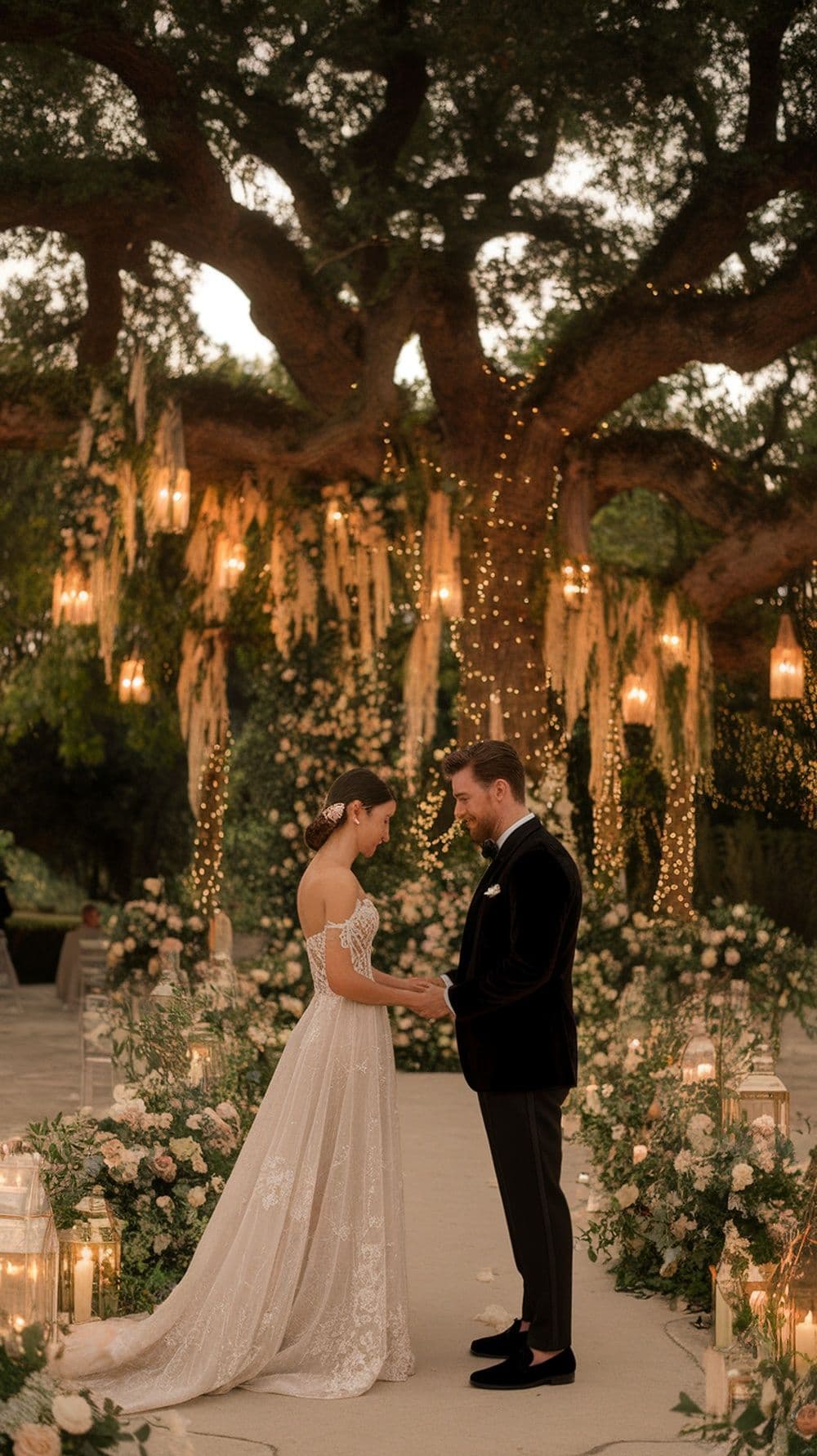
You get engaged in October. You spend November looking at inspo, December telling relatives, January finally reaching out to that photographer you saved eleven times. And the reply comes back with a number that is $400 higher than the one your recently-married friend paid last year for the same package. Same photographer. Same eight-hour coverage. Different price sheet.
That is not bad luck. That is the calendar doing exactly what it does. A handful of wedding costs quietly reprice on a schedule, and if you do not know which ones, you end up paying the "you waited" tax without ever seeing the bill labeled that way.
Here is the thing worth saying up front: this is not about rushing your decision. It is about knowing which six line items have a ticking clock on them, so you can move on those first and take your time on everything else. Your color palette can wait. Your seating chart can wait. These six cannot, at least not without costing you.
why some costs climb and others hold
Not every wedding expense inflates the same way. Your stationery order, your favors, the shoes you'll change into at 10pm, those hold roughly steady whether you buy them in March or September. They are priced on inventory and demand that does not swing much month to month.
The six below are different because each one is tied to something that moves: annual rate resets, seasonal wholesale pricing, food inflation, or plain old peak-season demand. Vendors in these categories build price increases into their business model. They have to. So the earlier you get a signed rate, the more you're buying a freeze on next year's number, not just the service.
Read the whole list before you start booking. Then attack them in order of which clock is loudest for your date.
01. venue rate
Venue pricing rises 8-12% year over year. That is the single biggest reason your budget can drift before you've even chosen a caterer, because the venue is usually your largest line item and often the one people research the longest.
Say a venue quotes you a $12,000 site fee for a Saturday. An 8-12% annual bump means the same Saturday next year lands somewhere around $12,960 to $13,440. That's roughly $1,000 to $1,400 in difference for signing later, and you got nothing extra for it.
Venues also anchor your whole timeline. Your date, your guest count, your caterer options (if they have a preferred list), your rain plan, all of it flows from the venue. Locking it first isn't only about the rate. It's about unlocking every other decision.
Watch for: quotes that list a "current season rate" with no mention of what it becomes after a certain date. Ask directly, "if I sign in 60 days versus today, is this number the same?" A venue that reprices annually will usually tell you straight.
02. photographer
Top photographers book 18 months out and raise rates annually, usually every January. Two things are working against you here: availability and price, and they compound.
Photographers reprice on a calendar because their inventory is themselves. There is exactly one of them per Saturday. When their calendar fills, they raise rates on the remaining dates, and they reset their whole package pricing at the start of the year. Wait from December to February and you can catch both the annual bump and the availability squeeze at once.
If there's a specific photographer whose work you already love, treat them like the venue: a hard early yes. There is no "we'll circle back" with a one-of-one vendor who books a year and a half out.
Watch for: a photographer who won't put the shoot date and package in writing, or who quotes verbally and stays vague on the deposit. Get the coverage hours, the deliverables, and the locked rate on paper. If you want a deeper checklist on this, our vendor-tips posts break down what a clean photography contract should spell out.
03. floral quote
Wholesale flower costs shift seasonally, so lock before peak season. Florals are the sneaky one because the price can move even when your florist's labor rate doesn't. The flowers themselves are a commodity, and commodities swing.
Peak wedding season (roughly May through October in most regions) pulls harder on the same blooms every other couple wants. Add a holiday like Valentine's Day or Mother's Day near your buying window and specific stems spike hard. Peonies in particular are notorious for a short season and a steep price when they're out of it.
Lock your floral quote before you enter the peak-demand window for your flowers, and where you can, build in flexibility:
- Ask your florist which of your chosen blooms are in season for your date.
- Identify one or two swaps for anything out of season or volatile.
- Get the quote signed with a note on what happens if a specific stem becomes unavailable.
That flexibility clause protects you from a surprise substitution at full price the week of.
04. catering rate
Per-head costs climb with food inflation, so get a signed rate now. Catering is often the second-biggest line after the venue, and because it's priced per person, every increase multiplies across your guest count.
Here's why that matters. Imagine a $95 per-head rate for 120 guests. That's $11,400. If food inflation nudges that to $102 per head before you sign, you're at $12,240. A seven-dollar-a-plate difference became $840 because it got multiplied by 120 people. Small per-head moves are never small at scale.
Get the per-head number in writing with your guest count range, and confirm what's locked: the food, the staffing, the rentals, the service charge. A signed rate now is worth more than a friendlier verbal quote later.
Watch for: a quote that locks the food price but leaves service charge and gratuity as a floating percentage. That percentage rides on top of everything, so a "locked" rate with a squishy service charge isn't fully locked.
05. band deposit
Live music deposits run 25-50% upfront, and rates go up each January. Bands share the photographer problem (one act, one Saturday) and stack a big deposit on top.
That 25-50% upfront is real money committed early. On a $6,000 band, you're putting down $1,500 to $3,000 to hold the date. That's a feature, not a bug: the deposit is exactly what freezes your rate against the January increase. Booking in the fall for a next-year wedding can mean locking this year's number before the reset hits.
If you're deciding between a band and a DJ, factor the deposit timing in. A DJ may have more flexibility and a smaller upfront, which changes how urgently you need to move.
Watch for: deposits described as "non-refundable" with no clause about what happens if the band cancels on you. Refundability should run both directions, or at least name a substitute-act guarantee.
06. planner fee
Full-service planners raise retainers 10-15% after peak inquiry season. There's a rhythm to when couples reach out (a big wave right after the holidays, engagement-heavy season) and planners adjust their retainers once that rush confirms demand for the year.
So if you want full-service help, inquiring before that wave crests can catch the earlier retainer. On a $5,000 retainer, a 10-15% bump is $500 to $750, and a good planner often saves you more than their fee by keeping the other five costs on this list in check. Booking a planner early can be the move that protects every other number.
Watch for: a retainer quote with a short expiration ("this rate holds for 30 days") right as inquiry season peaks. That's usually a signal the increase is already scheduled. Ask when the next retainer adjustment lands.
how to actually use this
You do not need to book all six this weekend. You need to sequence them. Here's a clean order that respects both the clock and the dependencies:
- Venue first, because everything else depends on your date and location, and it's your biggest 8-12% climber.
- Photographer and band next, because they're one-of-one vendors with annual January resets and availability that vanishes.
- Planner, if you want one, early enough to beat the post-inquiry-season retainer bump and let them steer the rest.
- Caterer, to lock the per-head rate before food inflation multiplies it across your guest count.
- Florist, timed to sign before your blooms enter their peak-demand window.
Everything not on this list, the invitations, the cake tasting, the second-look outfit, can genuinely wait. That's the payoff of knowing which six have the ticking clock: you get to slow down everywhere else.
Before you sign any of them, put your quotes side by side and check that the numbers line up with what's normal for your area and date. You can drop a quote into Altared and see where it lands against the full picture in seconds, free. If you're just starting out, get started here and build the list before the price sheets change on you.
the short version
- Six costs reprice on a schedule: venue, photographer, florals, catering, band, planner.
- Venue rates climb 8-12% year over year and unlock every other decision, so book it first.
- Photographers and bands are one-of-one vendors with January resets and vanishing dates.
- Catering is priced per head, so even a $7 increase multiplies across your whole guest count.
- Band deposits run 25-50% upfront, and that deposit is what freezes your rate.
- Planners raise retainers 10-15% after inquiry season peaks, and a good one protects the other five.
- Save this for your next vendor call, and send it to the friend who just got engaged and hasn't booked a single thing yet.
Frequently asked questions
- Which wedding vendor should I book first?
- Book your venue first. It's usually your largest line item, its pricing climbs 8-12% year over year, and it anchors everything else (your date, guest count, caterer options, and rain plan all depend on it). Once the venue is locked, move to one-of-one vendors like your photographer and band, since there is exactly one of them per Saturday and they reset rates annually. Everything downstream of the venue is easier to decide once the date and location are set, so getting it signed early does double duty: it freezes the rate and unlocks the rest of your planning.
- Why do photographers raise their prices every year?
- Photographers reprice because their inventory is themselves. There is one of them per date, so when their calendar fills they raise rates on the remaining Saturdays, and most reset their full package pricing every January. Top photographers also book roughly 18 months out, which means availability and price work against you at the same time. If there's a specific photographer whose work you love, treat them like the venue and get the shoot date, coverage hours, deliverables, and locked rate in writing early. Waiting from December to February can catch both the annual bump and the availability squeeze.
- How much is a typical wedding band deposit?
- Live music deposits generally run 25-50% upfront. On a $6,000 band, that's $1,500 to $3,000 committed to hold your date. It can feel steep, but that deposit is exactly what freezes your rate against the annual January increase, so paying it early is often what saves you money. Before you sign, check whether the deposit is refundable and what happens if the band cancels on you. A non-refundable deposit with no substitute-act guarantee is worth questioning, since refundability should protect you as well as the vendor.
- Does catering really get more expensive if I wait to book?
- Yes, because catering is priced per head and tracks food inflation, so any increase multiplies across your entire guest count. A $95 per-head rate for 120 guests is $11,400. If it drifts to $102 per head before you sign, you're at $12,240, meaning a seven-dollar-a-plate move became $840. Get the per-head number in writing with your guest count range, and confirm that food, staffing, rentals, and the service charge are all locked. Watch for a quote that fixes the food price but leaves service charge and gratuity as a floating percentage riding on top.
- When should I lock in my florist to avoid seasonal price jumps?
- Lock your floral quote before your chosen blooms enter their peak-demand window. Wholesale flower costs shift seasonally, and peak wedding season (roughly May through October in many regions) pulls harder on the same flowers everyone wants. Holidays like Valentine's Day and Mother's Day spike specific stems, and blooms like peonies have short seasons and steep off-season prices. Ask your florist which of your flowers are in season for your date, identify one or two swaps for anything volatile, and get a signed quote with a clause covering what happens if a specific stem becomes unavailable, so a substitution doesn't hit you at full price.