3 Ways to Get an Officiant (And What Each One Costs)
Wedding officiant cost breakdown: licensed pros run $300-$800+, online ordination is free or under $30, and a courthouse civil ceremony costs $25-$100.
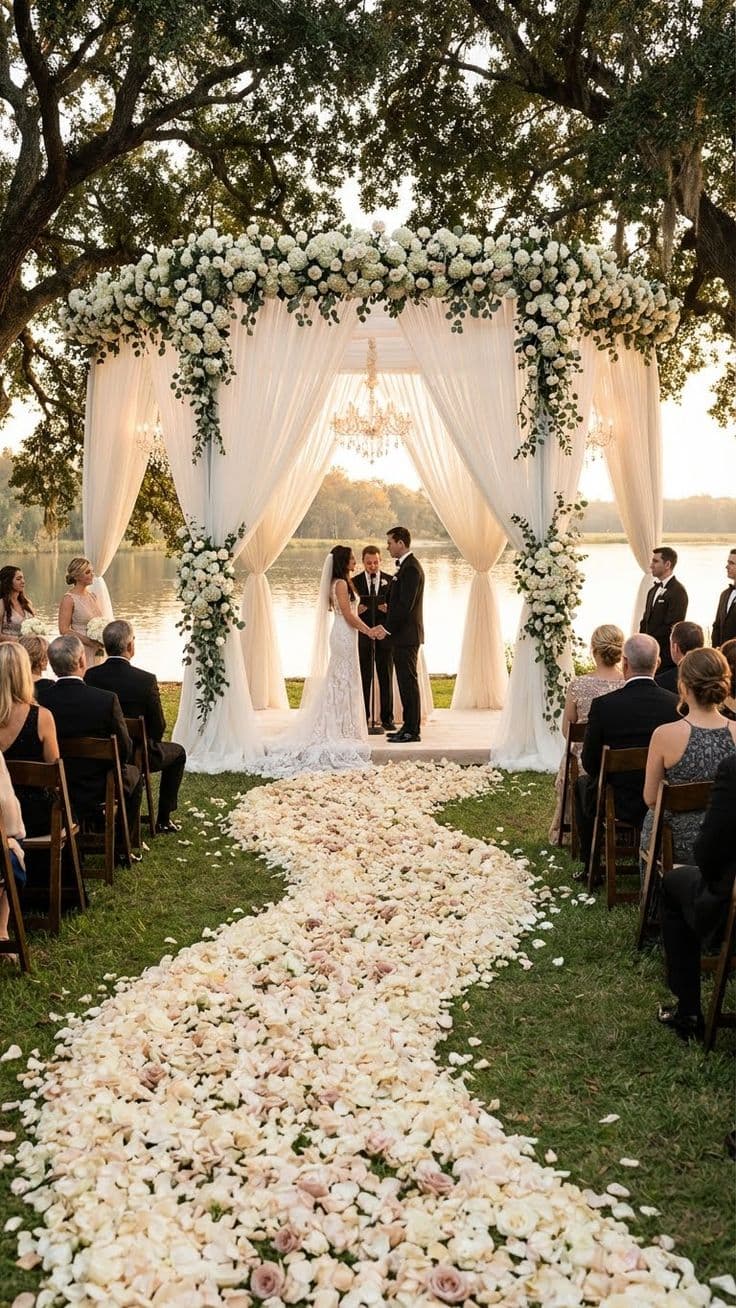
Two weeks before her ceremony, a bride realized the only person who had actually agreed to marry her and her fiancé was her uncle, who had gotten ordained online "sometime last spring" and could not remember which website he used. The venue was booked. The photographer was booked. The person legally responsible for making the marriage real was a loose end nobody had written down.
This happens constantly. The officiant is the one vendor that is simultaneously the most essential and the easiest to forget, because it does not come with a tasting, a mood board, or a deposit deadline that forces the conversation. So people put it off, then panic-book, then pay more than they needed to.
There are basically three ways to get an officiant. Three options, three very different price tags. None of these is the wrong answer. It just depends on what your ceremony needs to feel like and what your budget has room for.
option 01: hire a pro
Licensed officiants run $300-$800 or more depending on their rate and how far they travel. That is the honest range, and the spread inside it is wide for real reasons.
What you are paying for at the top of that range is not just the twenty minutes they stand in front of you. A professional officiant typically includes:
- An intake call or questionnaire to learn your story
- A custom-written ceremony script, usually with one or two rounds of revisions
- Rehearsal attendance the night before
- Coordination with your planner, venue, and musicians on timing and cues
- Handling the marriage license: witnessing signatures, filling it out correctly, and filing it with the county
That last item is worth more than people expect. A license filled out wrong (wrong county line, missing witness signature, filed past the deadline) means your marriage is not recorded, and fixing it after the fact is a bureaucratic nightmare you do not want during your honeymoon.
what pushes a pro quote higher
Travel is the big one. "Plus travel if outside their area" is doing a lot of work in that price range. An officiant who lists $400 on their site may quote you $550 once they account for a 90-minute drive each way, or more if your venue is remote enough that they need a hotel room the night before the rehearsal.
Other things that move the number:
- Saturday evening in peak season versus a Thursday in February
- Rehearsal attendance as an add-on rather than included
- Bilingual ceremonies or co-officiating with a second celebrant
- Religious or cultural ceremony elements that require specific credentials
- Longer ceremonies with readings, unity rituals, or family participation
When you request quotes, ask for the all-in number including travel, rehearsal, and license filing. A $350 base rate that becomes $625 after add-ons is not a $350 officiant.
option 02: ordain a friend
Having a friend ordained online costs next to nothing (free or under $30). This is the option that has exploded in the last decade, and for good reason. The person marrying you knows you. They can tell the story about the group trip where you two first talked for four hours. No professional can buy that.
But you have to check your specific county's rules before assuming it's legally valid. Not your state. Your county.
the county rule thing, explained plainly
Online ordination is recognized in most of the United States, but the rules around it are not uniform, and enforcement happens at the county clerk level. Depending on where you are getting married, a friend-officiant may need to:
- Register with the county clerk before the ceremony, sometimes weeks in advance
- Present physical proof of ordination (a certificate, a letter of good standing)
- Pay a small registration or filing fee
- Meet a minimum age or residency requirement
And a small number of jurisdictions have historically been hostile to online ordinations entirely, which means a ceremony performed there could be challenged later.
The fix is simple and takes one phone call. Call the clerk's office in the county where your marriage license will be issued and ask: "We are having a friend ordained online officiate. What does that person need to do to be recognized here?" Write down the answer and the date you called. Then have your friend do exactly that, early, and send you a photo of the confirmation.
the other cost of ordaining a friend
The dollar cost is free or under $30. The hidden cost is labor, and it lands on your friend.
Writing a ceremony is harder than it looks. A good one runs 15 to 25 minutes, has a structure (welcome, story, vows, ring exchange, pronouncement), and requires rehearsing out loud so the person does not mumble into their phone. If your friend is also a bridesmaid, is traveling in from out of state, and has a toast to write, you are stacking a lot onto one person.
Some couples split the difference: friend officiates the ceremony for the emotional part, and they pay a professional a smaller fee to write or review the script. Others hire a pro for the legal signing and have the friend do a non-legal "celebrant" role. Both are normal.
option 03: the courthouse civil ceremony
A courthouse civil ceremony lands at $25-$100, with the marriage license signed the same day. You walk in legally single and walk out legally married, usually within an hour, often for less than the cost of a boutonniere.
This is the most underrated option on the list, and it is not only for couples eloping. Plenty of people do the courthouse ceremony on a Tuesday with two witnesses, then have the big celebration months later with a friend "officiating" a ceremony that is purely symbolic. The legal part is already handled, so nobody is stressed about whether the license got filed correctly.
What to expect:
- Appointments are usually required and can book out several weeks in peak months
- The fee ($25-$100) is typically separate from the marriage license fee itself
- Most courthouses require one or two witnesses; some can provide them
- Ceremonies are short, scripted, and sometimes allow a brief personal vow exchange
- Photography rules vary by building, so ask before you bring a photographer
If your budget is tight and you would rather put money into food or photography, this is where the savings are. The difference between a $700 pro and a $50 courthouse ceremony is $650, which is a real line item.
watch for these red flags
Officiants are low-drama vendors most of the time, but a few things should slow you down before you sign anything.
- No written agreement. Even a one-page contract should name the date, time, venue, total fee, travel inclusion, and what happens if they get sick. If someone will not put it in writing, pass.
- Vague on travel. "We'll figure out travel later" is how a $400 quote becomes $600 in month eight. Get the number now.
- No backup plan. Ask directly: "What happens if you are ill or your car breaks down that morning?" A professional has a network and a name to give you. Hesitation here is a real risk, because this is the one vendor you cannot proceed without.
- A friend who has not registered. If your county requires registration and your friend keeps saying they will "do it closer to the date," set a hard deadline and verify it yourself.
- Deposits with no refund terms. Standard is a deposit of some portion with the balance due before or on the day. What is not standard is a nonrefundable deposit with zero language about rescheduling.
- The license deadline. Marriage licenses expire, usually in 30 to 90 days depending on the state, and some have waiting periods after issuance. Getting it too early is as much of a problem as getting it too late.
how to actually compare your options
If you're comparing quotes from multiple officiants, drop them into Altared and track the total alongside your other vendors. No spreadsheet required. The thing that makes officiant quotes hard to compare is that they are rarely apples to apples: one includes rehearsal, one charges mileage, one bundles the license filing. Putting the all-in numbers side by side, in the same place as your catering and florals, is what makes the tradeoff obvious.
It also makes the $650 swing visible. When you can see that choosing a courthouse ceremony frees up the same amount as an extra hour of photography coverage, the decision stops feeling like a judgment about how much you value your ceremony and starts feeling like what it is, a budget allocation. More on that kind of tradeoff in our budgeting posts.
save this before you book
- Decide what the ceremony needs to feel like first, then price it. Emotional weight and dollar amount are not the same axis.
- A licensed pro runs $300-$800 or more. Always ask for the all-in number including travel and rehearsal.
- Ordaining a friend costs free or under $30, but call your county clerk before you assume it is legally valid.
- A courthouse civil ceremony costs $25-$100 and gets the license signed the same day. It is a legitimate option, not a consolation prize.
- Get it in writing, whoever you choose, including a backup plan.
- Track every quote in one place so the total is never a surprise. Add your officiant quotes free at altared.app.
The officiant is the person who makes it official. Give that decision the same ten minutes of real thought you gave the napkin color, and you will be fine.
Frequently asked questions
- How much does a wedding officiant cost?
- It depends entirely on which route you take. A licensed professional officiant runs $300-$800 or more depending on their rate and how far they travel, and that fee usually covers a custom script, rehearsal attendance, and filing your marriage license. Having a friend ordained online costs next to nothing, free or under $30. A courthouse civil ceremony lands at $25-$100, with the marriage license signed the same day. The spread between the cheapest and most expensive option is roughly $650, which is real money you could move to photography, food, or savings.
- Is it legal to have a friend ordained online officiate my wedding?
- In most of the United States, yes, but you have to check your specific county's rules before assuming it's legally valid. Recognition of online ordination is enforced at the county clerk level, and some counties require your friend to register in advance, present physical proof of ordination, or pay a filing fee. A few jurisdictions have historically been hostile to online ordinations entirely. Call the clerk's office in the county issuing your marriage license, ask exactly what your officiant needs to do, write down the answer, and have your friend complete it early.
- Why do officiant quotes vary so much?
- Travel is the biggest factor. An officiant listing $400 may quote $550 once they account for a long drive, or more if your venue is remote enough to require a hotel the night before the rehearsal. Other variables include peak-season Saturday pricing, whether rehearsal attendance is included or an add-on, bilingual or co-officiated ceremonies, specific religious credentials, and ceremony length. Always ask for the all-in number including travel, rehearsal, and license filing. A $350 base rate that becomes $625 after add-ons is not a $350 officiant.
- Can we get legally married at the courthouse and still have a ceremony later?
- Yes, and plenty of couples do exactly this. A courthouse civil ceremony costs $25-$100 and gets your license signed the same day, so the legal piece is fully handled. Months later you can have a friend lead a purely symbolic ceremony at your celebration without anyone worrying about registration rules, filing deadlines, or whether the paperwork was completed correctly. It removes the single biggest administrative risk from your wedding day and frees up several hundred dollars compared to hiring a professional officiant.
- What should be in an officiant contract?
- Even a one-page agreement should name the date, start time, venue address, the total fee, whether travel is included or billed separately, what the deposit is and whether it is refundable, and rescheduling terms. Ask directly what happens if the officiant is ill or their car breaks down that morning, and make sure the answer appears in writing. This is the one vendor you cannot proceed without, so a documented backup plan matters more here than almost anywhere else. If someone will not put terms in writing, keep looking.